


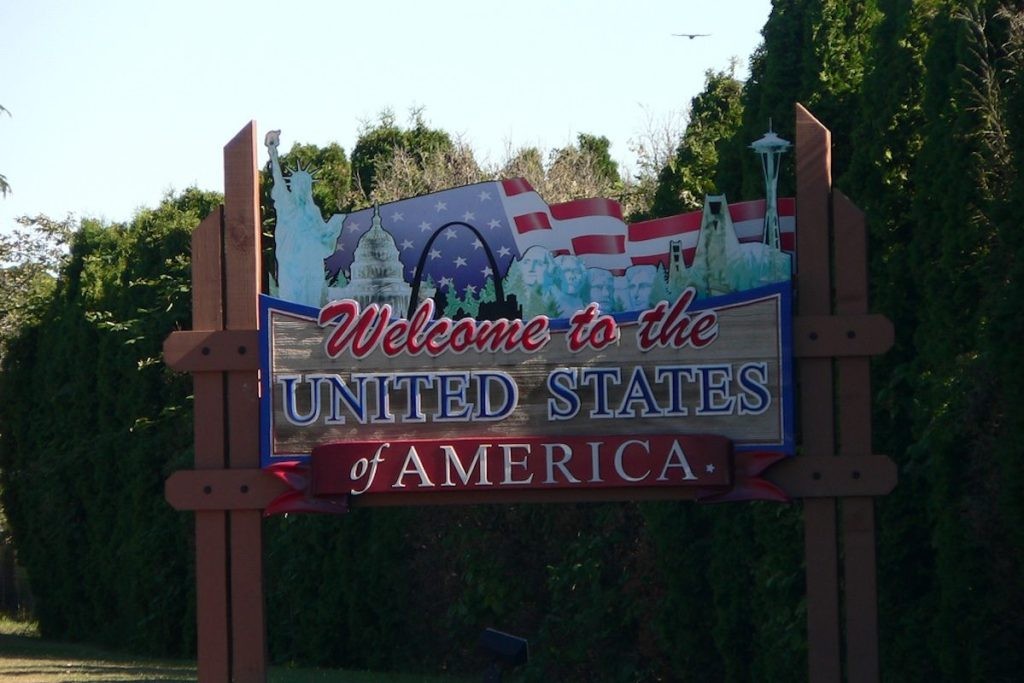
International travel advisories for the United States are undergoing a subtle but significant shift. While most governments still categorize the U.S. as a low-risk destination, recent updates to official guidance from various nations have introduced more specific warnings regarding safety, legal compliance, and social issues.
A Growing List of Specific Warnings
Rather than broad warnings about general safety, several countries have begun highlighting particular areas of concern for travelers:
- Belgium: Has updated its guidance to caution that public demonstrations and protests within the U.S. may escalate into violence.
- Germany: Now explicitly stresses that possessing valid travel documents does not serve as a guarantee of entry, highlighting the unpredictability of border enforcement.
- Spain: Has placed increased emphasis on the legal repercussions of overstaying a visa, warning travelers of the serious consequences such actions carry.
- Social and Identity Risks: There is an increasing trend in advisories to mention complications and potential difficulties faced by transgender travelers navigating U.S. regulations and social environments.
The Economic Impact on U.S. Tourism
These changes in diplomatic language come at a sensitive time for the American travel industry. The U.S. is already facing a decline in international visitors, a trend that appears to be driven by a combination of political, social, and economic factors.
According to a 2025 report from Skift Research, travelers from major global markets have cited three primary reasons for reducing their travel to the United States:
1. Political instability and social unrest.
2. Safety concerns regarding crime and demonstrations.
3. Rising costs of travel and accommodation.
The impact of these factors is reflected in recent data from the National Travel and Tourism Office, which shows that visitation to the U.S. fell by 5.5% in 2025 compared to the previous year.
Why This Matters
The shift in how foreign governments communicate with their citizens is crucial. Even if a country does not officially label the U.S. as “dangerous,” the introduction of specific caveats—such as warnings about protest violence or border entry uncertainty—can act as a psychological deterrent for cautious travelers.
For the U.S. tourism sector, the challenge lies in whether these localized warnings will aggregate into a broader perception of instability, further depressing international arrival numbers heading into 20


