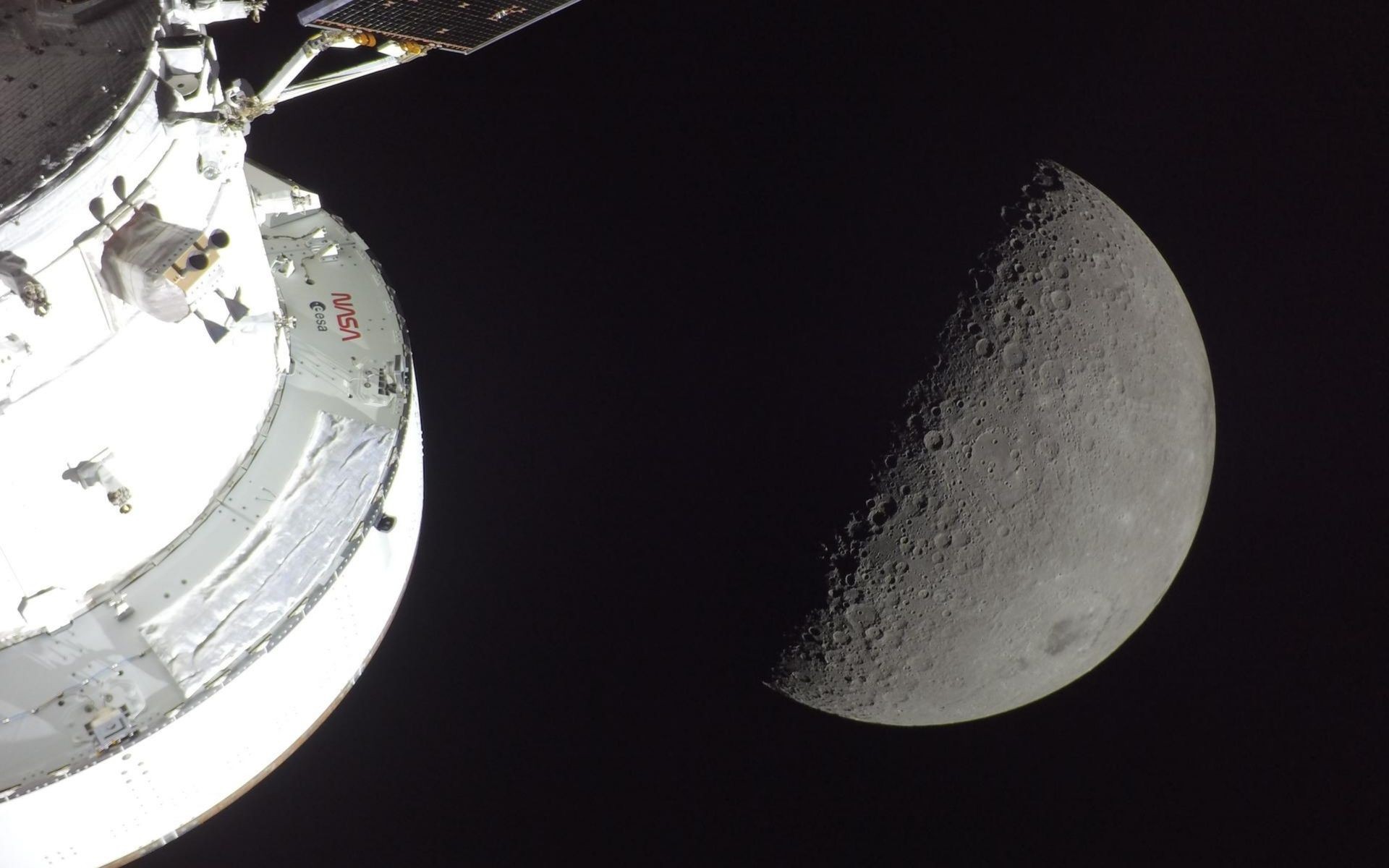
The Artemis II mission is often discussed in terms of technical milestones—orbital mechanics, life support systems, and lunar trajectories. However, the preparation for this mission involved a profound layer of human connection that transcends pure science, bridging the gap between cutting-edge space exploration and ancient cultural traditions.
The Human Element of Lunar Training
While the crew focused on the technical rigors of lunar observation and photography, the mission’s preparation was deeply rooted in terrestrial connections. A significant portion of the training involved coordinating with the Mushuau Innu First Nation, whose ancestral lands encompass the Kamestastin Lake region.
For the science teams involved, this was not merely a logistical task but a vital component of the mission’s integrity. By liaising with the First Nation, the mission acknowledged that the landscapes we study from space are often deeply sacred to the people who inhabit them on Earth.
Shared Perspectives on the Moon
One of the most striking aspects of the mission’s preparation was the realization of how universal the lunar connection is. During the training period, members of the science team engaged with the Innu Guardians from Natuashish, discovering profound parallels between modern space exploration and Indigenous cosmologies.
- Sacredness of the Moon: The moon holds a sacred status for the Innu people, echoing a sentiment shared by many Indigenous cultures globally.
- The Legend of Tshakepesh: The Innu share the story of their hero, Tshakepesh, whose journey serves as a lesson in overcoming adversity through courage, hard work, and perseverance.
These cultural insights provided more than just historical context; they offered a philosophical framework for the crew. The values inherent in the story of Tshakepesh—resilience and humility—mirrored the very qualities required to execute a mission of this magnitude.
Why Cultural Context Matters in Space Exploration
It is easy to view space missions as purely clinical or technological endeavors. However, integrating Indigenous perspectives serves several critical functions:
- Holistic Understanding: It reminds us that the celestial bodies we study are part of a larger, interconnected history of human belief and stewardship.
- Ethical Engagement: Liaising with First Nations ensures that scientific progress respects the sovereignty and spiritual heritage of local communities.
- Human Inspiration: The virtues required for spaceflight—perseverance and humility—are timeless human values