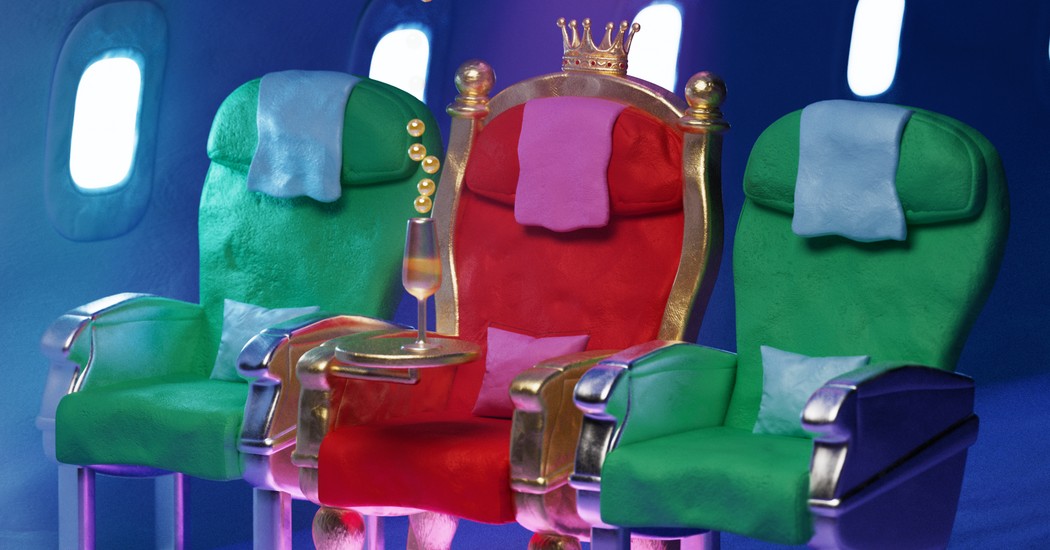
For decades, the first-class cabin was often viewed as a luxury “gift” for the most loyal frequent flyers. Today, that model has been completely dismantled. Airlines have successfully transformed premium seating from a costly loyalty perk into one of the most lucrative revenue streams in the aviation industry.
The Great Pivot: From Free Upgrades to Paid Premium
Twenty years ago, the economics of the cabin were vastly different. Using Delta Air Lines as a case study, the industry landscape was dominated by the “Main Cabin.” At that time, only about 15% of first-class passengers actually paid for their seats ; the remaining 85% were largely comprised of loyal customers receiving complimentary upgrades.
The industry has since undergone a massive strategic shift. Delta, for instance, has flipped this ratio entirely: today, more than 70% of its premium seats are sold at full price. This transition from a service-based model (giving seats away to retain loyalty) to a product-based model (selling high-value experiences) has been a primary driver in making Delta the most profitable airline in the United States.
A Multi-Billion Dollar Investment in Comfort
This shift wasn’t just a matter of changing ticket prices; it required a fundamental redesign of the flying experience. To convince travelers to pay more, airlines had to provide something demonstrably better.
- The Major Carriers: American Airlines, Delta, and United have invested billions of dollars into retrofitting aircraft with more comfortable seating, enhanced amenities, and superior service standards.
- The Low-Cost Disruptors: Even budget-focused airlines like Spirit and Frontier are recognizing the value of tiered service.
- The Southwest Shift: Perhaps most notably, Southwest Airlines—a carrier long defined by its open seating policy—has begun assigning seats. This move is designed to allow the airline to sell premium legroom, a change expected to boost operating profits by over $1 billion this year.
Why This Matters: The Changing Consumer Mindset
This evolution highlights a broader trend in consumer behavior: the willingness to “unbundle” travel. Modern travelers are increasingly comfortable choosing between a basic economy experience and a premium one, effectively paying a premium for specific comforts like space, privacy, and better service.
By moving away from a one-size-fits-all approach, airlines have unlocked a way to extract more value from every flight. They are no longer just selling transportation from point A to point B; they are selling different levels of comfort, catering to a diverse range of budgets and needs.
The aviation industry has successfully moved from selling seats to selling experiences, turning the premium cabin into a massive engine for corporate profitability.
Conclusion
By redesigning aircraft and shifting their sales strategies, airlines have turned premium seating from a loyalty expense into a primary profit driver. This evolution reflects a permanent change in how both airlines and passengers value the flying experience.