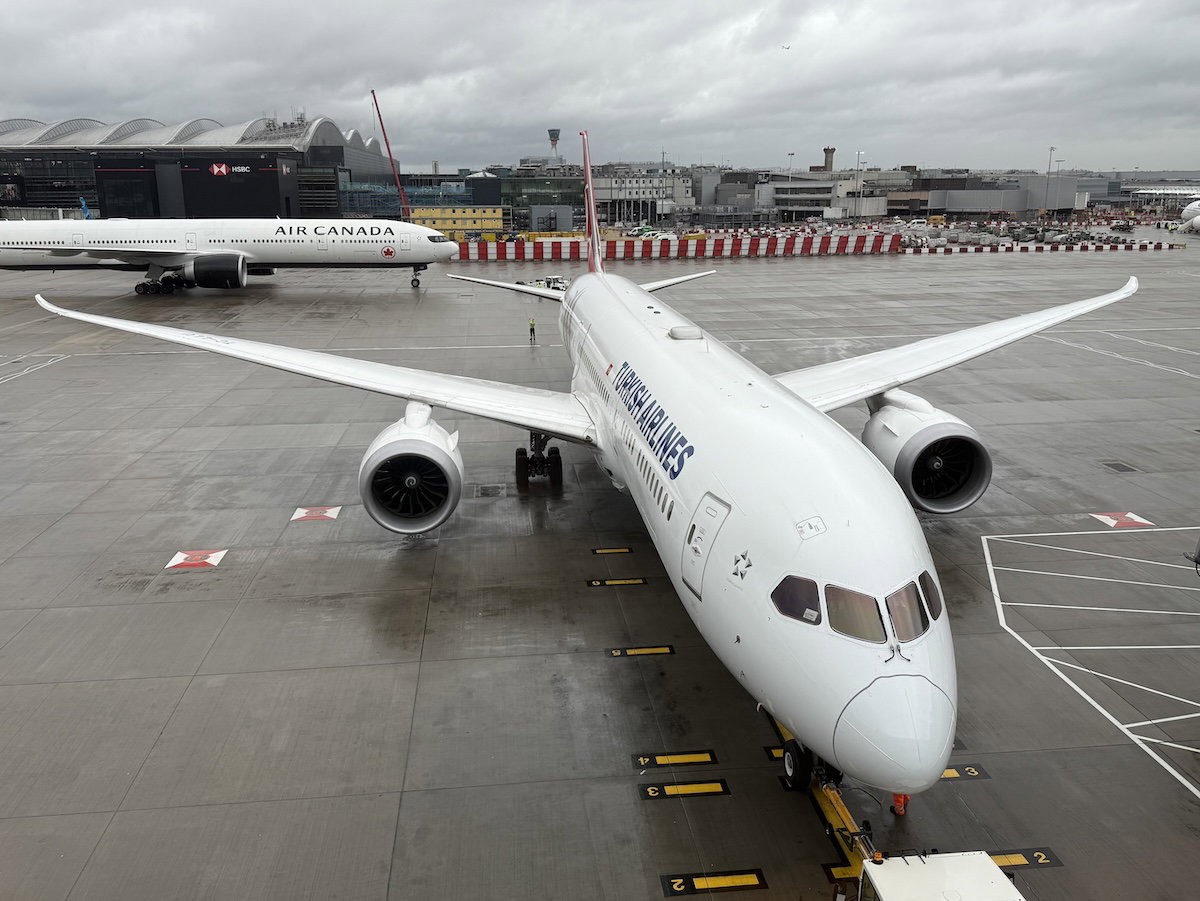
Turkish Airlines has announced a sudden and significant restructuring of its top leadership. Through a recent public disclosure, the carrier revealed that its two most senior executives are stepping down, triggering a rapid succession of internal promotions across the company’s executive suite.
The New Leadership Hierarchy
The transition involves a complete replacement of the airline’s highest-ranking officials. The key changes are as follows:
- Chairman: Ahmet Bolat has retired and is succeeded by Murat Şeker, who previously served as the airline’s Chief Financial Officer (CFO).
- CEO: Bilal Ekşi has retired and is succeeded by Ahmet Olmuştur, formerly the Chief Commercial Officer (CCO).
This reshuffle has created further vacancies in the secondary leadership tier, which are being filled by veteran employees:
* Metin Gülşen moves from SVP of Accounting and Financial Control to become the new CFO.
* Harun Baştürk moves from SVP of Sales to become the new CCO.
Context: Growth Amidst Economic Headwinds
This management overhaul comes at a critical juncture for the carrier. Turkish Airlines is currently in a period of aggressive expansion, with strategic plans to double its size over the next decade. The airline currently holds the distinction of flying to more countries than any other carrier in the world, leveraging its massive hub in Istanbul and a relatively efficient cost structure.
However, this growth is not without obstacles. The airline must navigate significant macroeconomic challenges, specifically the inflationary pressures and volatility of the Turkish Lira, which can complicate long-term financial planning and operational costs.
Analysis: Stability vs. Sudden Change
The nature of this transition raises several questions regarding the motivations behind such a swift move. While the official reason provided is “retirement,” several factors suggest a more complex underlying narrative:
- The Suddenness of the Announcement: The lack of a traditional transition period or farewell statements from the outgoing executives suggests a rapid departure rather than a long-planned succession.
- Political Influence: As a largely state-owned entity, Turkish Airlines is inherently tied to the political landscape of Turkey. In many state-owned enterprises, sudden leadership shifts can reflect broader shifts in government priorities or political alignments.
- Continuity of Strategy: Despite the suddenness, the airline appears to be prioritizing operational continuity. By promoting long-term insiders who have been instrumental in the airline’s recent success, the government is signaling that it does not intend to change the current business model or growth trajectory.
While the departure of the previous leadership may appear abrupt, the appointment of highly experienced, long-term employees suggests that the airline’s core strategy remains intact.
Conclusion
Turkish Airlines has replaced its Chairman and CEO with veteran internal executives in a sudden leadership transition. While the abruptness of the move hints at potential political shifts, the promotion of seasoned insiders aims to maintain the airline’s aggressive global expansion strategy.