What began as a brief, private social media post by a veteran flight attendant has escalated into a complex, multi-year legal battle. The case, involving China Southern Airlines, highlights the growing tension between employees’ personal digital lives and the strict professional standards imposed by major corporations.
The Incident: A WeChat Post During a Delay
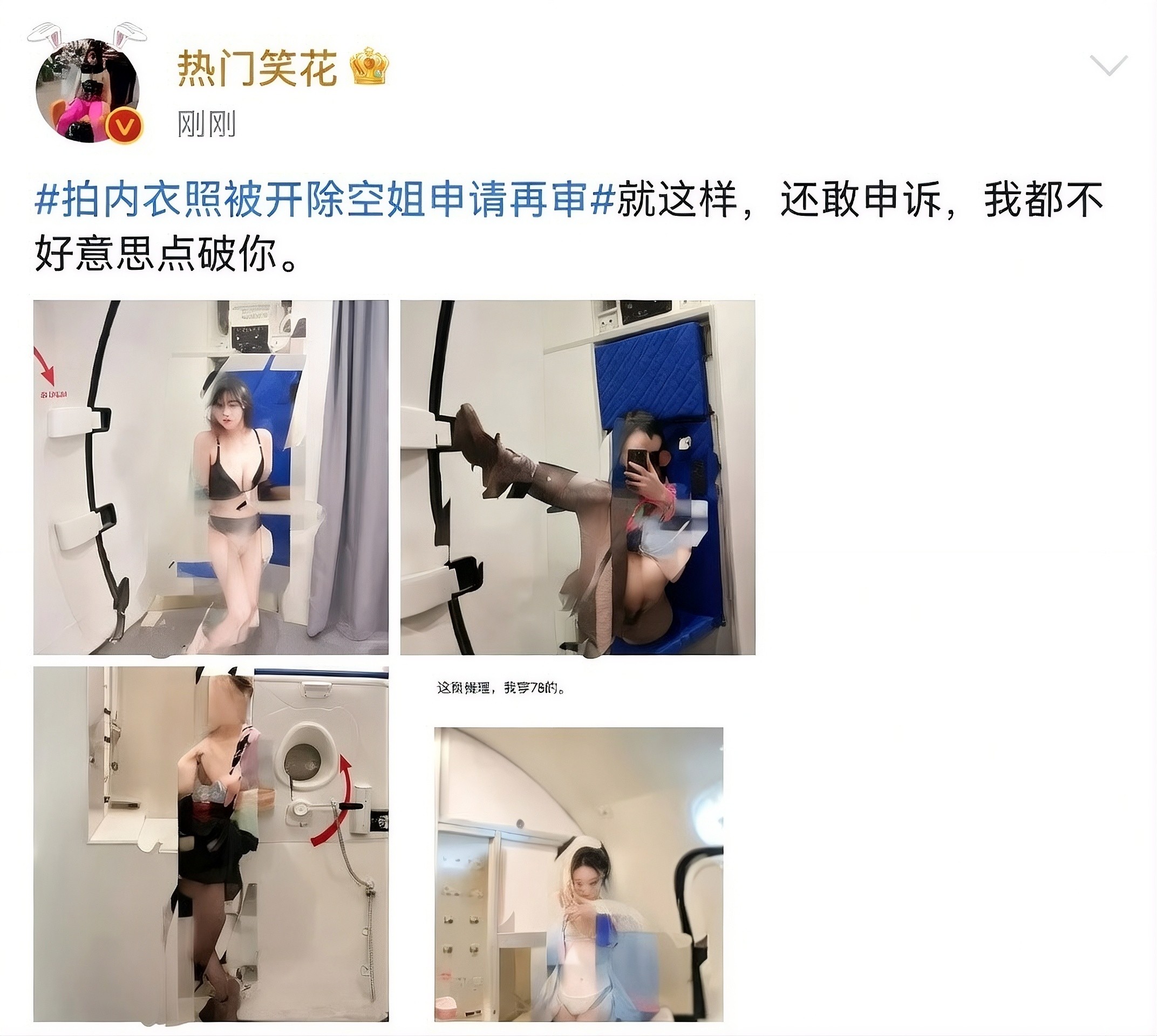
In October 2019, Guo, a chief flight attendant with China Southern who had been with the company since 2005, was stationed on flight CZ3547 from Guangzhou to Shanghai. While the flight was experiencing a delay due to air traffic control, Guo used her downtime to post two photos of herself in lingerie to her WeChat Moments feed.
Her caption noted that because the flight was delayed, she was using the lavatory to test a “naked-feel” product. Although she deleted the post within ten minutes, it had already been screenshotted and reported.
China Southern responded swiftly, terminating her employment on October 18, 2019. The airline cited several violations:
– Using work time for private business.
– Violating online conduct rules.
– Posting “indecent” images that harmed the company’s brand and public morals.
The Legal Tug-of-War
The dispute moved through several layers of the Chinese legal system, with different courts reaching conflicting conclusions. This disagreement stems from how “duty time” and “professional conduct” are defined in the digital age.
1. The Arbitration Ruling: A Win for the Employee
In July 2020, the Guangzhou Labor and Personnel Dispute Arbitration Commission ruled the dismissal unlawful. They ordered the airline to pay Guo approximately RMB 212,735 (US$30,909) in unpaid wages. The commission’s reasoning was based on:
– The airline’s rules being too vague to justify “serious” misconduct.
– The post occurring during a rest period rather than active work time.
– A lack of evidence regarding actual reputational damage or safety risks.
2. The District Court: A Shift in Perspective
Upon appeal, the Baiyun District Court overturned the previous decision. The court argued that the incident was not a “rest period” but a duty period. Under Ministry of Transportation regulations, crew members are on duty even during delays.
The court noted that Guo was actively engaged in “work”—specifically, photographing, editing, and promoting a product—while on duty. Furthermore, because her airline identity was visible and the aircraft was in the background, the court ruled that her actions directly harmed the airline’s reputation for safety and professionalism.
Why This Matters: The “Digital Footprint” Risk
This case is more than a dispute over a single photo; it reflects a broader global trend where the boundaries between private expression and professional obligation are blurring.
The core conflict: Does an employee’s social media activity, even if intended for a limited audience, constitute a breach of contract if it occurs during working hours or uses the employer’s environment as a backdrop?
This legal battle highlights several critical realities for modern workers:
– The “Duty Period” Trap: For many industries, “work time” is not just when you are performing primary tasks, but any time you are on the clock and available for duty.
– Brand Association: Even if an employer is not explicitly named, being identifiable through uniform, location, or context can make personal posts a liability.
– The Pretext for Dismissal: As seen in historical cases (such as Delta Air Lines’ Ellen Simonetti in the early 2000s), social media activity can provide companies with a “just cause” to terminate senior, high-earning employees.
Current Status
The case has been accepted for further appeal by the Guangdong High Court. As of now, no final ruling has been reached, leaving the legal definition of “professionalism in the age of social media” in a state of flux.
Conclusion: This ongoing litigation serves as a cautionary tale for professionals, illustrating how easily personal social media habits can collide with strict corporate policies and lead to significant legal and financial consequences.