Мировая авиационная индустрия столкнулась с двойной угрозой: стремительным ростом цен и надвигающимся физическим дефицитом топлива. В то время как путешественники уже ощутили на себе последствия подорожания авиабилетов и увеличения сборов за багаж, в Европе назревает более масштабный системный кризис, который может привести к массовым отменам рейсов и приостановке маршрутов.
Экономический ущерб: высокие тарифы и постоянные сборы
Волатильность на мировых нефтяных рынках напрямую отразилась на стоимости перелетов. Данные Points Path указывают на то, что пассажиры, бронирующие внутренние рейсы за три-пять недель, сейчас платят примерно на 15% больше, чем в это же время в прошлом году.
Однако финансовые последствия не ограничиваются только ценой билетов:
– Сборы за багаж: Крупнейшие авиакомпании США уже повысили стоимость провоза регистрируемого багажа. Эксперты полагают, что эти расходы вряд ли снизятся, даже если цены на нефть со временем стабилизируются.
– Маржинальность прибыли: По мере роста цен на топливо авиакомпаниям становится всё труднее получать прибыль на определенных маршрутах, что приводит к превентивному сокращению обслуживания.
Кризис поставок: надвигающийся дефицит в Европе
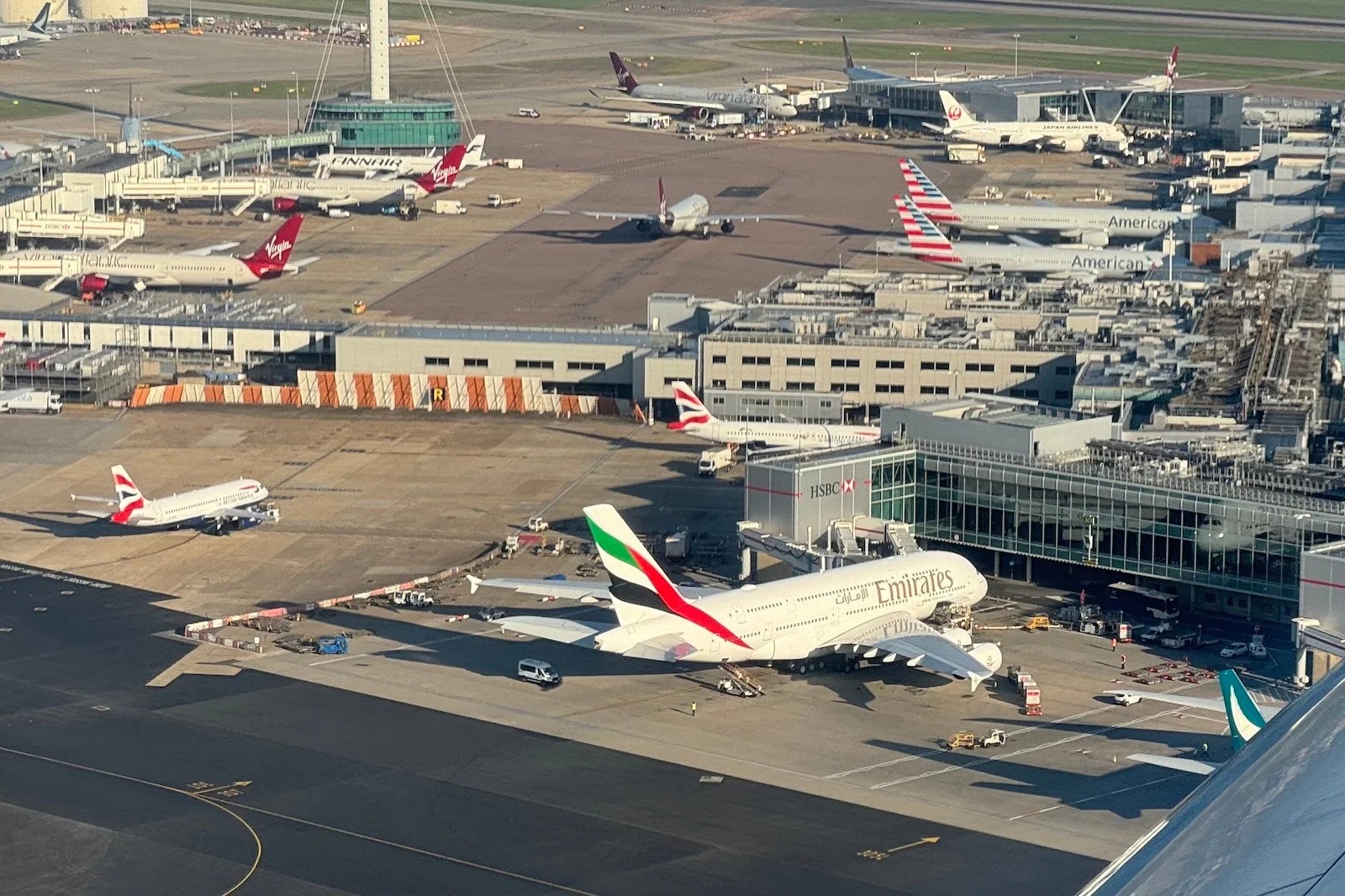
Ситуация переходит из разряда «дорого» в разряд «критично», если взглянуть на запасы топлива в Европе. Международное энергетическое агентство (МЭА) выступило с серьезным предупреждением, предположив, что в Европе может оставаться запасов авиатоплива всего на шесть недель.
Речь идет не только о цене, но и о физическом наличии ресурса. Лидеры отрасли сигнализируют о возможных сбоях:
– Ryanair, европейский лоукост-гигант, предупредил, что если дефицит сохранится в мае или июне, поставки топлива в некоторых европейских аэропортах могут оказаться под угрозой.
– Уязвимость цепочек поставок: Эксперты полагают, что, хотя полное истощение запасов маловероятно, дефицит почти наверняка создаст «серьезные проблемы» как для пассажирских перевозок, так и для транспортировки жизненно важных товаров, что, скорее всего, проявится в виде внезапных отмен рейсов.
Первые тревожные звонки: авиакомпании уже сокращают полеты
Мы уже наблюдаем первую волну корректировок, когда авиакомпании пытаются смягчить последствия высоких цен на топливо и неопределенности с поставками:
* Norse Atlantic: прекратила обслуживание в Международном аэропорту Лос-Анджелеса (LAX).
* Edelweiss: немедленно закрыла рейсы в Денвер (DEN) и Сиэтл (SEA).
* Lufthansa: объявила о значительных сокращениях, включая закрытие своей региональной дочерней компании CityLine и ускоренный вывод из эксплуатации неэффективных с точки зрения расхода топлива самолетов Airbus A340-600.
Хотя эти первоначальные сокращения в основном продиктованы стоимостью топлива, физический дефицит, скорее всего, спровоцирует гораздо более агрессивную волну отмен.
🛡️ Как защитить свои планы на путешествие
Если в ближайшие месяцы вы планируете поездку в Европу или трансатлантический перелет, заблаговременное планирование необходимо для минимизации рисков.
1. Изучите свои права на возврат средств
Если авиакомпания отменяет ваш рейс или существенно меняет расписание (обычно задержка составляет шесть часов и более), вы имеете право на возврат средств согласно правилам Министерства транспорта США, если решите отказаться от поездки. В Европе путешественникам также следует ознакомиться с регламентом EU261, который регулирует компенсации за задержки и отмены рейсов.
2. Заложите запасные варианты в свой маршрут
Авиакомпании, скорее всего, будут отдавать приоритет дальнемагистральным международным рейсам перед короткими внутриевропейскими перелетами.
– Альтернативный транспорт: Если вы путешествуете между европейскими городами, рассмотрите возможность бронирования железнодорожных билетов в качестве резервного варианта.
– Гибкое бронирование: Убедитесь, что все бронирования отелей и жилья являются гибкими и могут быть отменены без штрафов.
– Запас времени: Избегайте коротких стыковок; не планируйте перелет непосредственно перед круизом или другой важной стыковкой.
3. Разумно используйте туристическую страховку
При бронировании используйте кредитную карту, которая предлагает встроенную туристическую страховку. Однако помните о критически важном нюансе: стандартные полисы часто не покрывают отмены, вызванные нехваткой топлива или приостановкой маршрутов.
Совет: Если вы хотите максимальной защиты, рассмотрите возможность добавления опции «Отмена по любой причине» (CFAR), которая обеспечивает гораздо более широкое покрытие в периоды нестабильности.
Резюме: Сокращение поставок авиатоплива в Европе в сочетании с высокими ценами на нефть создает нестабильную обстановку для путешественников. Чтобы не оказаться в безвыходной ситуации, следует отдавать приоритет гибким бронированиям, рассматривать альтернативные железнодорожные маршруты и четко знать свои права на возврат средств.