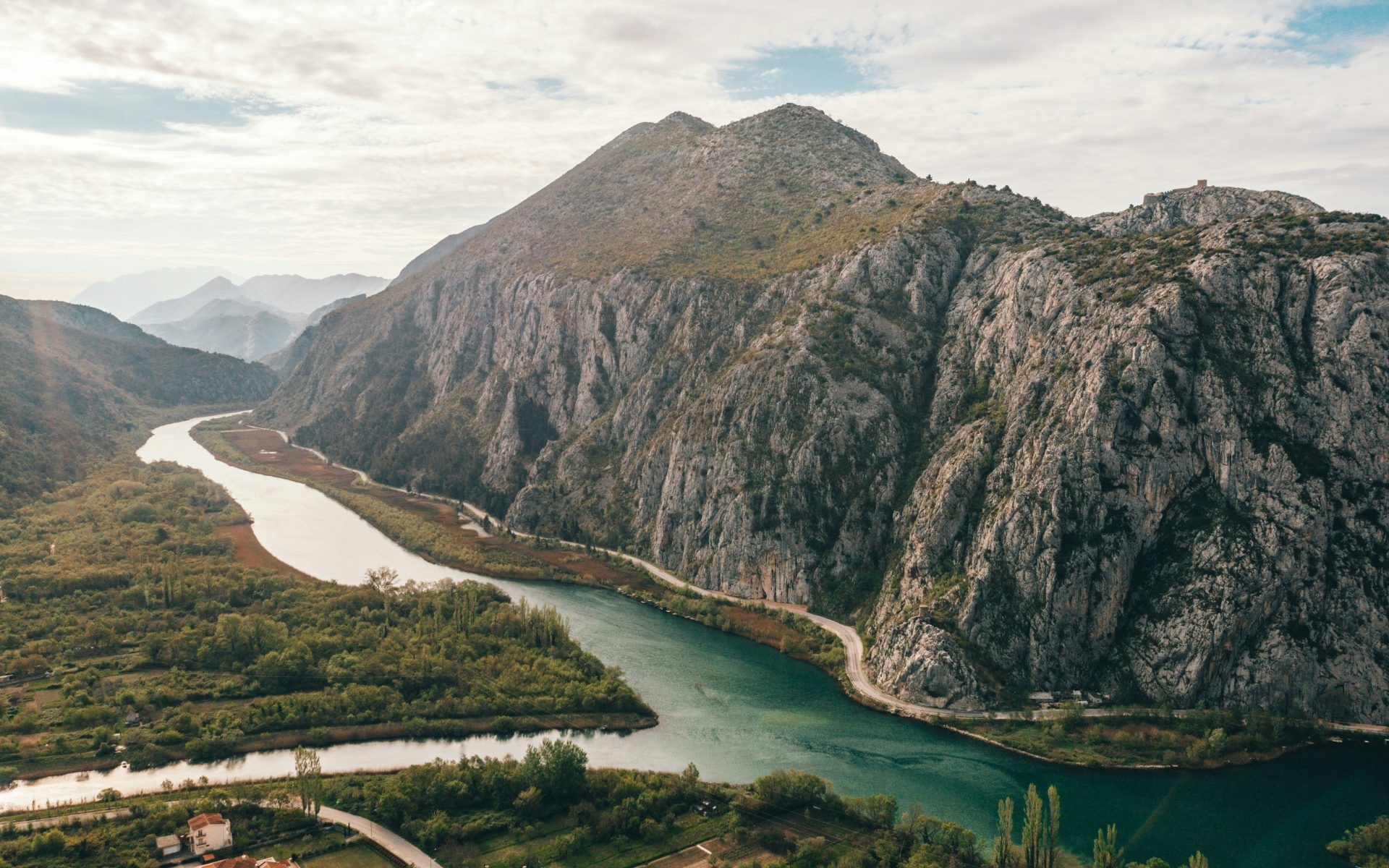
While traditional tourism often focuses on hitting “must-see” landmarks, a growing movement of travelers is trading tour buses for gravel bikes. This shift isn’t just about fitness; it is a response to overtourism and a desire for deeper, more authentic connections with the landscapes and people of Europe.
The Allure of the “Undiscovered”
As major European cities and famous sites become increasingly crowded, travelers are seeking the “undiscovered.” Gravel cycling offers a perfect solution. Unlike road cycling, which stays on pavement, or mountain biking, which requires technical trails, gravel riding utilizes a mix of tarmac, farm tracks, forest roads, and dirt paths.
This versatility allows cyclists to access remote vistas and small villages that are entirely unreachable by standard tour buses. Whether it is the rolling green valleys of Croatia, the river paths of southern France, or the volcanic landscapes of the Azores, gravel riding provides a “slow travel” lens through which to view a region.
The market reflects this trend: Europe accounted for nearly 40% of global cycling tourism revenue in 2025, a sector projected to grow by over 13% annually through 2033.
A Sensory Journey: The Azores Experience
A recent expedition through the Azores —an autonomous archipelago of Portugal—highlights exactly what this travel style offers. Exploring the island of São Miguel via gravel bike is a high-effort, high-reward endeavor.
The experience is defined by:
* Dramatic Geography: Navigating lombas (ridges) that dictate the layout of local towns and the rhythm of the ride.
* Unique Terroir: Tasting local specialties, such as Cozido das Furnas (a stew slow-cooked in volcanic steam) or mineral-rich cheeses sourced from local hot springs.
* Authentic Encounters: The “adventure mindset” encourages interaction. Through guided initiatives, riders are encouraged to gift small tokens to locals, turning brief encounters into meaningful human connections.
Preparing for the Ride
Gravel riding is approachable, but it does require intentional preparation. To transition from a casual rider to a gravel explorer, focus on three pillars:
- Saddle Time: Gradually increase the duration of your rides to prepare your body for several hours of daily activity.
- General Fitness: While specific cycling strength helps, overall cardiovascular health is the most important factor.
- Off-Road Familiarity: Practice on dirt paths or gravel tracks during your regular commutes to build confidence in handling less predictable surfaces.
Choosing Your Gear
The equipment you choose can significantly impact your enjoyment. While many opt for traditional bikes, e-bikes are becoming increasingly popular, especially for those tackling steep volcanic climbs or long distances. For more rugged terrain, a “hardtail” mountain bike—which offers easier gearing for climbing—can also be an effective choice.
Conclusion
Gravel cycling is more than a sport; it is a method of exploration for the curious traveler. It trades the efficiency of a tour bus for the sensory richness of the backroads, offering a way to truly feel the essence of a place rather than just seeing it.