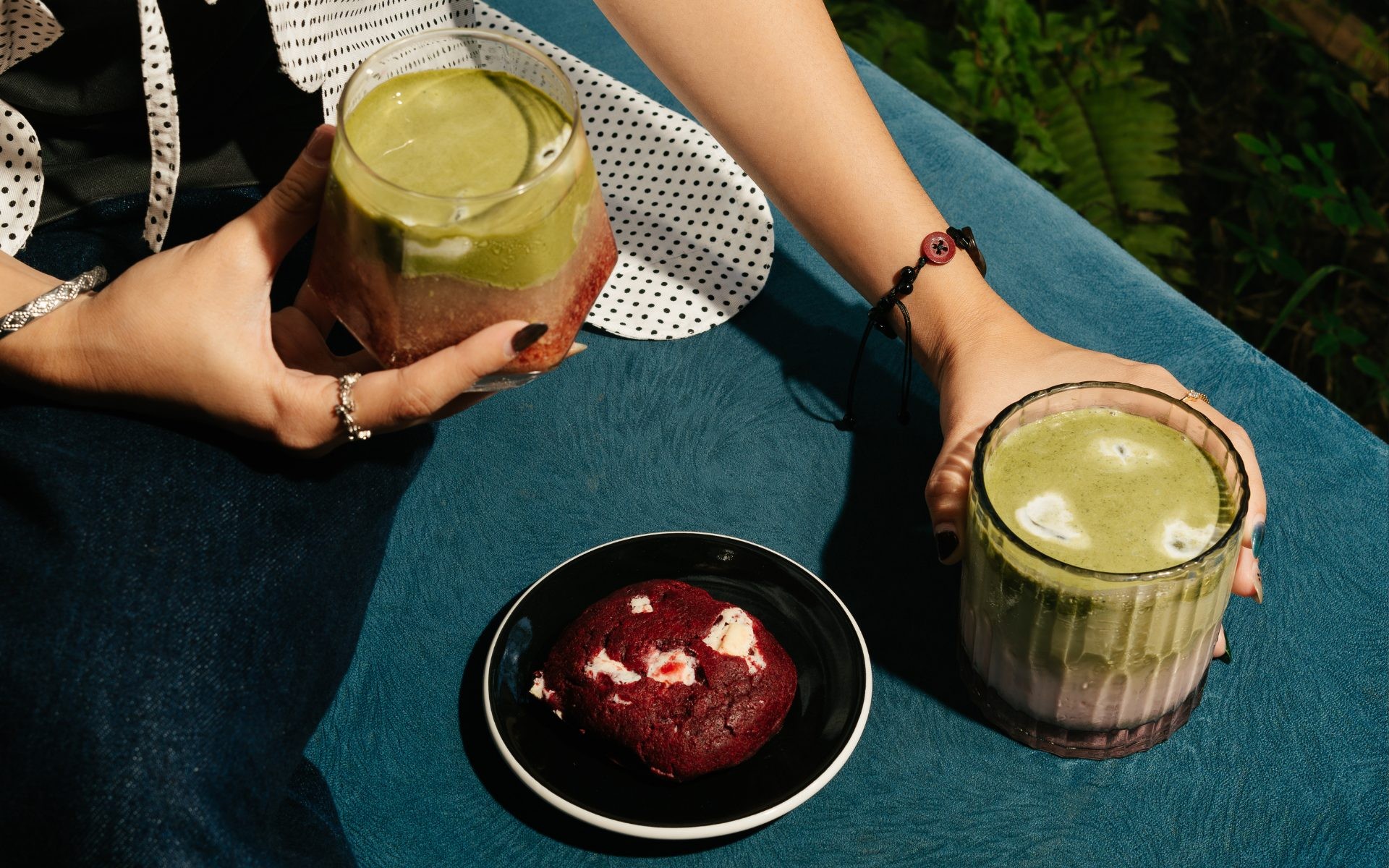
В эпоху TikTok и Instagram продукту не нужна многовековая кулинарная история, чтобы стать мировым феноменом. Достаточно лишь быть эстетически привлекательным или позиционироваться как незаменимый элемент «здорового образа жизни». От неоново-зеленого свечения матча-латте до роскошных плиток «дубайского шоколада» с фисташковой начинкой — вирусные фуд-тренды захлестывают планету с беспрецедентной скоростью.
Однако за глянцевыми фильтрами и рекомендациями инфлюенсеров скрывается нестабильный цикл «взлета и падения», который оказывает серьезное давление на экологию, местную экономику и традиционные культуры.
Анатомия вирусного бума
Социальные сети создают внезапные и мощные всплески спроса, к которым традиционные сельскохозяйственные цепочки поставок зачастую не готовы. Это явление запускает предсказуемую, но разрушительную закономерность:
- Фаза хайпа: Продукт становится вирусным и в одночасье обретает мировую славу.
- Дефицит ресурсов: Спрос взлетает до небес, что приводит к нехватке товара и резкому скачку цен (как, например, недавнее трехкратное увеличение стоимости листьев тенча в Японии).
- Фаза расширения: Фермеры и крупные корпорации спешат удовлетворить спрос, часто переходя к монокультурам или интенсификации производства.
- Крах: Тренды угасают, цены рушатся, и те, кто вложил слишком много ресурсов, остаются с избытком товара, который невозможно продать.
Этот цикл ярко проявился на примере киноа в период с 2011 по 2014 год: цены взлетели на 600%, после чего резко упали, оставив многих фермеров в Андах в крайне уязвимом положении.
Скрытая цена «модности»
Хотя вирусный тренд может казаться победой для конкретного сектора сельского хозяйства, реальные последствия зачастую сложны и многогранны:
🌍 Экологическое воздействие
Чтобы удовлетворить внезапный глобальный спрос, системы производства часто становятся чрезмерно интенсивными и неустойчивыми. Это может привести к:
– Обезлесению и утрате биоразнообразия, так как земли расчищаются под высадку одной культуры (монокультуру).
– Деградации почв из-за чрезмерного использования химических удобрений для повышения урожайности.
🏘️ Социальные и культурные потрясения
«Коммодификация» (превращение в товар) традиционных продуктов часто игнорирует людей, которые возделывали их веками.
– Продовольственная нестабильность на местах: Когда высокодоходные культуры, такие как матча или киноа, становятся выгодными для экспорта, местное население может лишиться доступа к своим традиционным продуктам питания из-за их дороговизны. Это вынуждает людей переходить на дешевые суррогаты, такие как лапша быстрого приготовления.
– Размывание культуры: Когда сакральный или церемониальный элемент — например, матча, используемая в японской чайной церемонии — превращается в простой «эстетичный» ингредиент для латте, его историческая и культурная значимость нивелируется.
– Вытеснение: Крупные коммерческие игроки часто приходят на бурно развивающиеся рынки, порой вытесняя коренные общины и захватывая контроль над местными ресурсами.
🚜 Дилемма фермера
Фермеры сталкиваются с огромным финансовым риском. Как отмечает Мурат Салих, управляющий фисташковой фермой в Турции, высокие цены побуждают фермеров сажать больше деревьев, но если тренд умрет, они останутся с огромными инвестициями и отсутствием рынка сбыта. Эта неопределенность заставляет даже успешных фермеров с опаской относиться к «трендовым» культурам, боясь потерять стабильность, которую дают традиционные сорта, такие как сэнтя.
Взвешенный взгляд: возможности среди рисков
Это не только история разрушения. Для многих подобные бумы становятся жизненно важным экономическим спасательным кругом.
«Бум киноа предоставил редкую экономическую возможность в регионах, где сельское хозяйство иначе не является прибыльным», — отмечает профессор Эмма Макдоннелл.
Более того, определенные культуры могут приносить экологическую пользу в конкретных условиях. Например, фисташки являются засухоустойчивой альтернативой миндалю в США и могут процветать на засоленных почвах, где другие культуры погибают. Даже глобальный рост популярности матча принес новое чувство гордости сельскохозяйственным традициям Японии и Анд, подняв их из статуса «местных продуктов» до уровня «мировых суперфудов».
Как потреблять ответственно
Хотя мы не можем остановить бесконечную ленту соцсетей, потребители могут смягчить влияние этих трендов, делая более осознанный выбор:
- Изучайте контекст: Понимайте, откуда поступает ваша еда и какое культурное значение она имеет.
- Выбирайте с умом: Вместо того чтобы использовать дорогую матчу церемониального качества для приготовления латте, выбирайте сорта более позднего сбора, которые лучше подходят для смузи.
- Поддерживайте Fairtrade: Покупка товаров, сертифицированных по системе справедливой торговли, помогает гарантировать, что прибыль от тренда действительно дойдет до мелких фермеров и кооперативов.
Заключение: Вирусные фуд-тренды — это мощные экономические двигатели, способные вытащить целые сообщества из нищеты, но они также несут риск дестабилизации экосистем и местных культур. Переходя от пассивного потребления к осознанным покупкам, мы можем наслаждаться трендами, не нанося ущерба планете и людям.