United Airlines bought a problem.
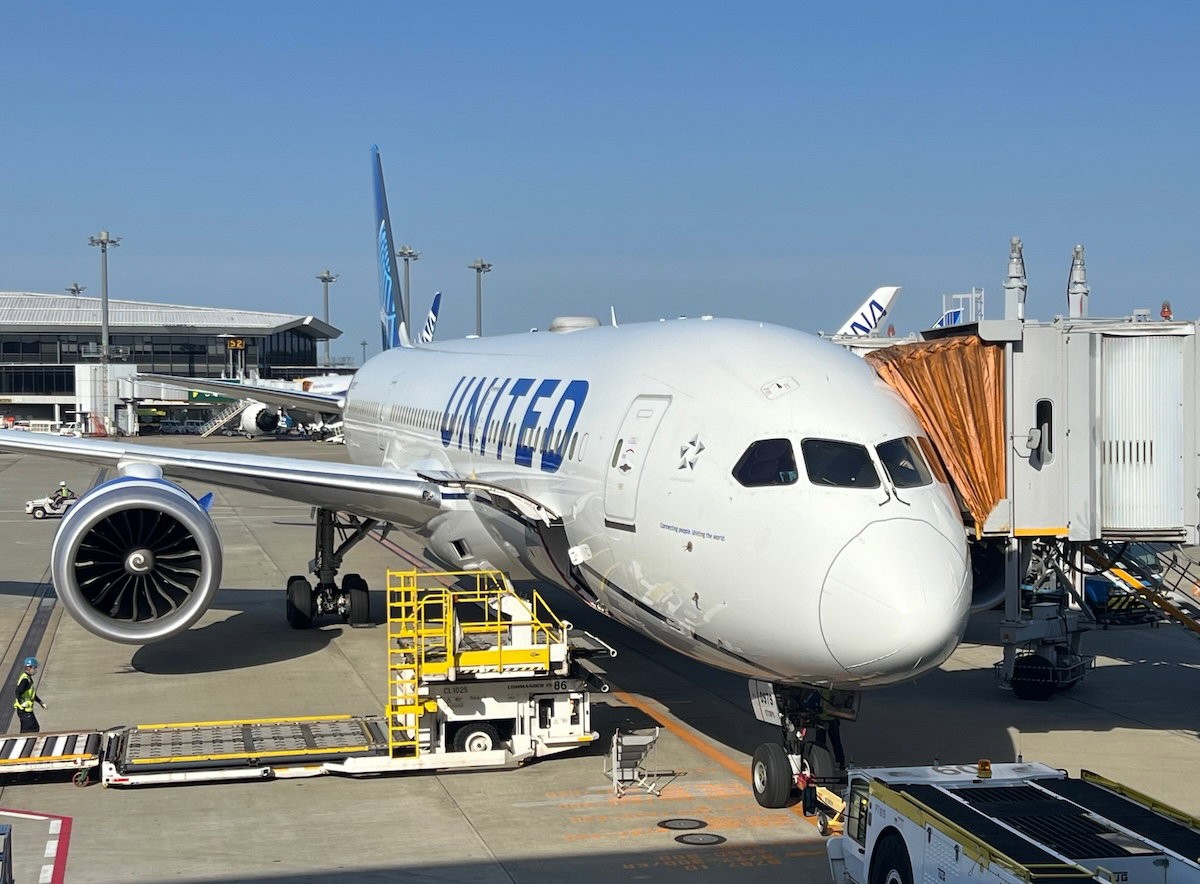
A shiny, brand new Boeing 787. It’s the first with their new “United Elevate” interiors. It wears a special 100th-anniversary logo on its flank. The registration is N61101.
It looks like a triumph of modern aviation.
It acts like a lemon.
Since entering service this aircraft has barely touched the sky. It spends most of its life grounded. Broken. Waiting for a fix that never really fixes it.
The endless loop of repairs
Here is the timeline of disappointment.
The plane left Singapore for San Francisco. Its first real international leg. Somewhere over the ocean a system failed. Diversion. Ferried back empty to SFO. Just cargo in the seats. Or no passengers at all.
United mechanics tried to solve it.
They couldn’t.
By June the plane was flying to Moses Lake Washington. Not to take customers. To take its problems to the source. Boeing. The factory where these dreams are made. Or where they go to die.
N61101 spent ten days at the Boeing maintenance base.
Ten days.
For what exactly?
It rolled back out on June 30 2026. United got the bird back. Presumably fixed. Or at least pretending to be.
Then July 2. A flight to London Heathrow.
That one worked.
You have to hand it to the machine for that single exception.
But the return leg? Canceled. July 3.
Maintenance issue.
The same kind of issue that sent it to Moses Lake.
Now it flies empty back to San Francisco today July 4. Independence Day.
Irony isn’t dead but it sure is tired.
The embarrassment here belongs to Boeing.
United pays for these machines. Boeing builds them. When one falls apart after a fresh repaint and interior overhaul the spotlight hits the builder. Not the operator.
It’s the TCAS again
So what is actually wrong with this thing?
The finger points to TCAS.
Traffic Collision Avoidance System.
It tells pilots if another plane is getting too close. It yells at you. Gives resolution advisories. Saves lives. It’s one of those critical redundancies aviation relies on. If TCAS is down the plane doesn’t fly. Period.
JonNYC reports both antennas were swapped out by Boeing in Moses Lake.
Supposedly.
Swapped antennas are a simple fix. Right? Wrong.
The system failed again before the plane could finish its round trip to Europe.
This begs the question: if the fix was so obvious why did the test flights pass?
How do you certify a repair on the ground when the failure only shows up in the air?
Redundant systems should catch this.
Unless they didn’t. Or someone ignored them.
There is no logical bridge between “antennas replaced” and “still broken on return from London.” Not without missing a crucial step or cutting a corner.
We are left with a plane that feels cursed. A specific airframe with a specific set of failures. N61101 becomes the face of a deeper anxiety. That Boeing’s quality control has slipped. That “fixed” is now just a temporary word.
Where does it go next?
Probably back to Moses Lake. Again.
How many times can a plane visit its creator to ask “what am I?”
It’s embarrassing for sure.
But the bigger story isn’t just about one busted antenna or one unlucky registration.
It’s about trust.
How does United get reimbursed for a plane that refuses to work? Who pays for the empty ferry flights? Who absorbs the cost of a reputation tarnished by a single broken jet?
There’s no neat bow on this yet.
The plane sits in SFO.
Or flies empty toward it.
Either way nobody wins except maybe the parts bin at Moses Lake.
We wait.
We see if Boeing can finally figure out how to build something that stays working.
Probably not soon.