Eskişehir isn’t just a stopover. It’s a pivot point in the heart of Turkey’s Central Anatolian Plateau. You might know it for the university vibe, but the city’s bones go much deeper. It sits on 13,925 square kilometers of land. The population hovers around 800,000 people. If you’re navigating the roads, you’ll see the traffic code 26 on every plate. The local area code is 0222. It’s the 25th most populous city in Turkey. That sounds modest until you realize what happens inside those borders.
Why Eskişehir Matters on the Map
Geographically, Eskişehir belongs to the Interior Anatolia Region. This means the climate is harsh and distinct. Expect continental weather. Winters bite. Summers bake. It’s not a place for subtle atmospheric shifts. The landscape here is defined by its resilience.
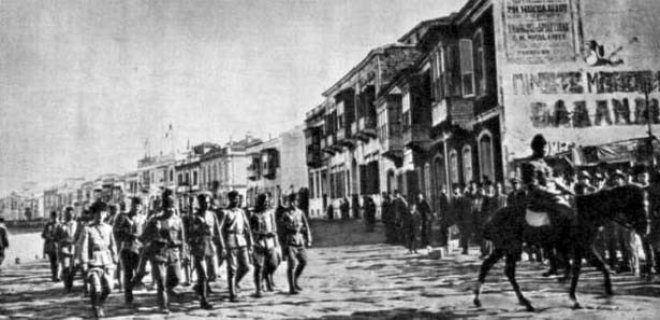
Historically, the ground beneath your feet remembers empires. Back in the 14th century BC, the Hittites built a massive state here. They left their mark long before modern borders existed. Fast forward to the Turkish War of Independence. On September 2, 1922, Turkish cavalry units rode into Eskişehir. They drove out enemy forces. It was a tactical victory that helped secure the region. After the Republic was proclaimed, Eskişehir officially became a province (il) in 1925. The city has been governing itself for a century now.
Breaking Down the Districts
You can’t just look at the city center and call it a day. The province is made up of fourteen distinct districts. Each has its own character, climate quirks, and local economy. Knowing which district you’re heading to changes your entire itinerary.
- Alpu : Known for its springs and traditional Turkish coffee.
- Beylikova : Quiet, agricultural, far from the noise.
- Günyüzü : Rural charm, steeped in local farming traditions.
- Çifteler : A mix of agriculture and small-town industry.
- İnönü : Historically significant, named for the battles fought nearby.
- Mahmudiye : Quiet, residential, and deeply traditional.
- Mihalgazi : Rich in history, home to the tomb of Mihalgazi Bey.
- Han : Named after the caravanserais, it’s a transit hub with roots.
- Mihalıççık : Isolated enough to feel untouched by mass tourism.
- Odunpazarı : The old wooden house district in the city center. This is where you’ll find the most iconic architecture.
- Sarıcakaya : Home to a large reservoir, popular for weekend escapes.
- Seyitgazi : Another district with deep historical roots, named after a local hero.
- Tepebaşı : The other half of the modern city center, across the Porsuk River.
- Sivrihisar : Famous for its white stone buildings and the nearby Döngel stone circle.
Planning Your Logistics
When you arrive, you’re entering a city that balances academic energy with historical weight.
Why Eskişehir’s Lüle Taşı and Kabalak Water Still Matter Today
You might think you’ve seen it all when it comes to underground treasures, but Eskişehir keeps the conversation interesting with resources that don’t just sit in the ground—they shape local culture. While many cities boast minerals, Eskişehir has two distinct assets that define its identity: Kabalak water and Lüle Taşı.
Kabalak isn’t just a spring; it’s the city’s symbol. Travelers often ask, where can I find the most iconic drinking water in Turkey? The answer is here. This natural source has become so ingrained in local life that skipping it feels like missing the main course. It’s not about the price or the logistics of getting a bottle—it’s about experiencing what makes the city tick.
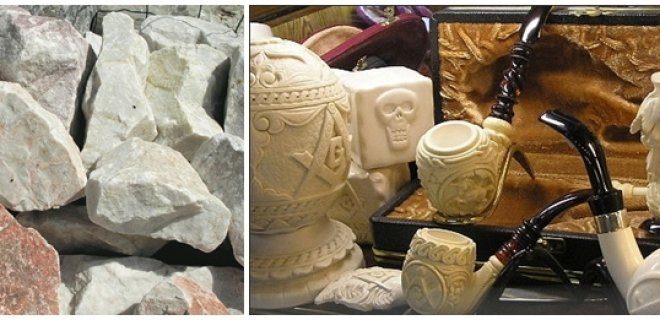
Then there is Lüle Taşı, a material found nowhere else on Earth. If you are wondering which city produces this unique stone, the answer is strictly Eskişehir. Historically used for pipes, today it finds new life in crafts and decorative items. The stone’s texture and density make it ideal for artisans who value precision.
The region’s geological wealth doesn’t stop there. Eskişehir holds substantial reserves of boron, a resource vital for industrial applications. While you won’t likely take a chunk of boron ore home as a souvenir, knowing that the city sits on such significant deposits adds depth to your visit. It’s not just about tourism; it’s about understanding the economic and cultural layers beneath the pavement.
When planning your trip, consider how these elements influence daily life. Local cafes serve Kabalak water. Markets offer handcrafted Lüle Taşı items. The presence of these resources is tangible, not abstract.
Industry and Education: The Real Drivers of Eskişehir’s Economy
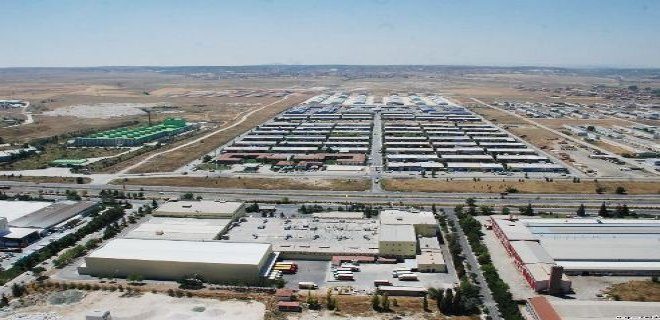
Forget the romanticized idea of a historic trade stop. Eskişehir’s backbone isn’t tourism—it’s heavy industry. The city hosts Turkey’s largest Organized Industrial Zone, a sprawling complex of factories and logistics hubs that literally powers the regional economy. This isn’t just a small manufacturing cluster; it is the central engine of the city’s financial health.
“Eskişehir’s economy rests on industrial might, not just cultural heritage.”
The scale here is significant. Companies in this zone drive everything from textiles to machinery. If you are visiting for business or curiosity, you will notice the infrastructure built to support this: wide roads for freight trucks, massive warehouses, and a workforce trained in technical skills. It creates a specific energy in the city—efficient, structured, and constantly moving.
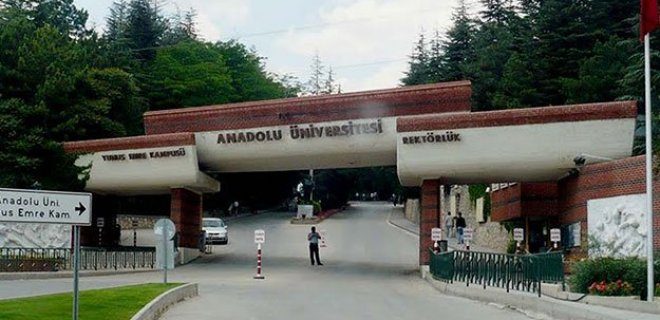
But industry alone doesn’t make it livable. That’s where Anadolu University comes in.
As one of the largest universities in the world by student population, it injects constant vitality into the city. It’s not just about the students walking around campus. It’s about the impact on the local economy. Young people need places to eat, study, and hang out. They drive demand for cafes, bookstores, and transport. This academic presence balances the industrial grit, softening the city’s edges and keeping prices for services relatively stable compared to tourist-heavy cities like Istanbul.
When you walk through Eskişehir, look past the historic caravanserais. Look at the logistics centers. Look at the students rushing to lectures. That is the real texture of the city. It’s a place where modern industry and academic life collide, creating a unique urban fabric that feels both busy and grounded.
Eskişehir isn’t just about the university vibe or the modern art museum. If you dig a bit deeper into the region’s actual rhythm, you’ll find a landscape defined by two distinct engines: the soil and the stone.
The Flavor of the Soil
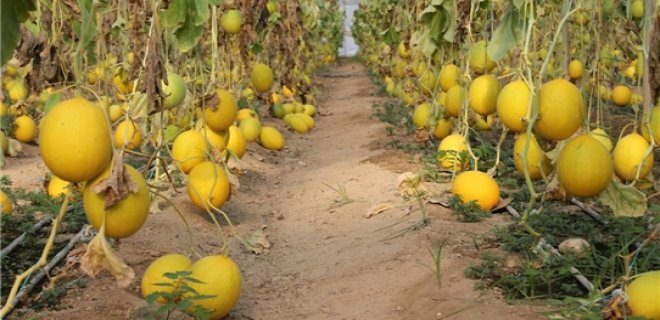
Look past the city center. The surrounding countryside is a working agricultural belt, not a tourist set piece. Here, tarım ve hayvancılık (farming and livestock) aren’t just historical footnotes; they are the daily reality.
The fields are dense with produce. We’re talking about an abundance of sebze ve meyve (vegetables and fruits). When you visit local markets—especially in the mornings—you’re not buying imported apples. You’re buying peaches, tomatoes, and leafy greens that were likely in the ground last week. The soil is rich, and the climate allows for a high volume of harvest.
This matters for your itinerary because it dictates where you eat and what you buy. Don’t settle for restaurant menus that rely on supply chains. Go to the pazar (bazaar). Ask for what’s in season. The cost is lower, the quality is higher, and the experience is genuinely authentic.
Beneath the Surface
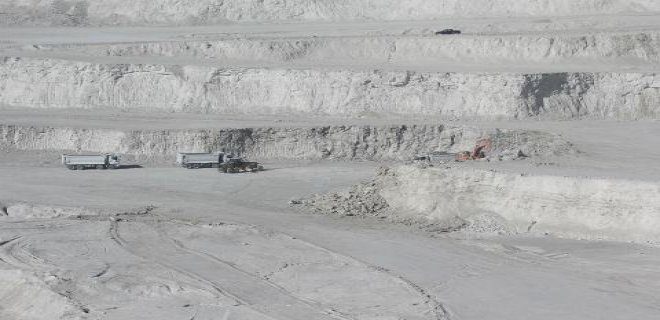
There’s another layer to this economy, one you can’t see until you look at the architecture or the mining reports. Yeraltı zenginlikleri (subsurface riches) are a major economic pillar for Eskişehir.
This isn’t just about digging holes. It’s about how these resources have shaped the city’s infrastructure and industrial base. From clay for ceramics to minerals for construction and manufacturing, the ground itself fuels the local economy. This industrial backbone supports the artisanal sectors too. The ceramics you might buy at the museum shop? Likely tied to that same geological wealth.
Why It Matters for Your Trip
Understanding this dual economy changes how you interact with the city.
- Eat Locally: Seek out farms or markets that highlight seasonal produce. The variety is striking compared to other Turkish cities.
- Look Down, Not Just Up: When you see old industrial buildings or ceramic workshops, remember they’re linked to the underground resources. It’s a tangible connection to the land.
- Timing: If you’re visiting during harvest season, the air smells like ripe fruit. If you’re in the quieter months, the focus shifts to indoor markets and preserved goods.
The city is more than a student hub. It’s a place where the earth provides food above and materials below.
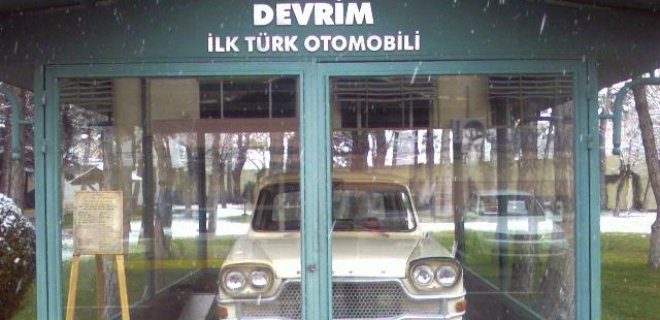
Where Turkish Automotive History Began
If you drive a car, you are indirectly rolling past a piece of national pride. The first entirely Turkish automobile, the Devrim, didn’t roll off a line in Istanbul or Ankara. It was assembled in Eskişehir at Tülomsaş.
For automotive historians and engineering geeks, this isn’t just trivia. It’s a reminder of a time when the country decided to build its own wheels instead of importing them. The factory still stands, a silent testament to early industrial ambition. You can visit the site. It’s not a theme park. It’s a working facility with a deep, often overlooked legacy.
The Festival That Never Stops
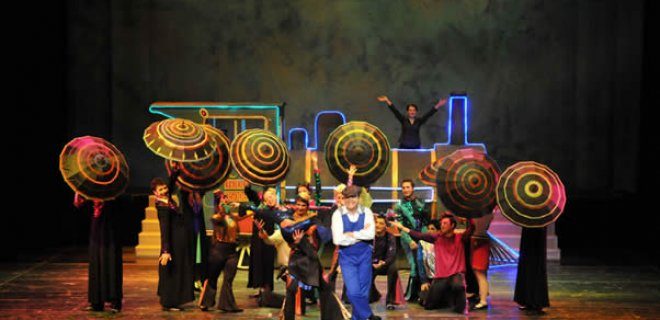
Fast forward to today, and Eskişehir transforms. It’s no longer just about steel and steam. It’s about art. The Uluslararası Eskişehir Festivali (International Eskişehir Festival) kicks off every year.
It started in 1955. That’s nearly 70 years ago.
Most festivals try to be everything to everyone. This one sticks to a dense, eclectic mix. You won’t find just one genre dominating the bill. Instead, you get:
- Classical music
- Traditional Turkish music
- Turkish Folk music
- Jazz and Blues
- Rock
- Theater
- Contemporary dance and ballet
- Cinema
- Children’s activities
- Visual arts: photography, painting, sculpture exhibitions
- Conferences and talks
It’s chaotic. It’s loud. It’s exactly why people come.
Why Eskişehir Works for Travelers
You might wonder why a mid-sized city in central Turkey deserves a spot on your itinerary. The answer lies in the contrast.
Eskişehir isn’t trying to be Istanbul. It doesn’t have the Hagia Sophia or the Bosphorus. It has something else. A university town vibe. A younger population. A cleaner, more walkable center. And that festival calendar, which bleeds art into every corner of the city.
When planning your trip, look for the dates around the festival. Hotels fill up. Prices spike. But the energy? Unmatched.
What to Actually See
Ignore the generic “top 10” lists. Here is what matters.
The Tülomsaş Museum
You need to see where the Devrim was built. The museum inside the facility offers context that brochures miss. It’s gritty. It’s real. It explains the economic shifts of the mid-20th century without boring you to tears.
The Open-Air Art Area
During the festival, the city becomes a gallery. Sculptures go up on corners. Paintings hang in public squares. It’s not pretentious. It’s accessible. You walk down the street and bump into a jazz ensemble playing on a sidewalk. That’s the Eskişehir experience.
The Porsuk Stream
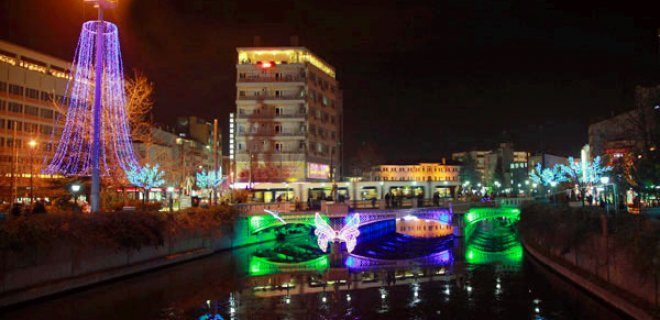
It runs through the center. In summer, it’s a cooling ribbon. In winter, it’s a frozen backdrop for ice skaters. Surrounding it are cafes and shops. It’s the spine of the city. Sit there. Watch the flow.
Logistics and Timing
Getting there is easy. High-speed trains connect Eskişehir to Ankara and Istanbul in under two hours. It’s fast. It’s comfortable. It beats the bus every time.
Why Eskişehir’s Brick Sempozium Still Matters
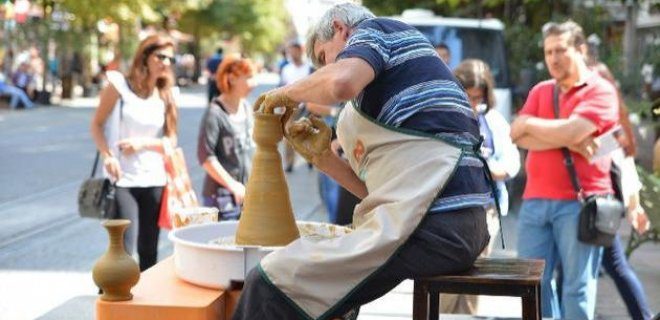
You might think a festival about fired clay sounds dry. It isn’t. Since 2001, the Uluslararası Pişmiş Toprak Sempozyumu (International Fired Earth Symposium) has turned Eskişehir into a global hub for artisans. Organized by the Tepebaşı Municipality, it’s not just another tourism gimmick. It is a serious effort to revive a dying industry and showcase it to the world.
Eskişehir has always been tied to its brick-making heritage. But the symposium does more than just celebrate history. It pushes the craft into the modern era. Artists, architects, and engineers from across the globe come here to experiment. They bring new techniques. They challenge old methods. The result? A tangible connection to the past that feels alive today.
“The goal is simple: protect the heritage, elevate the art, and show the world what Turkish fired earth can do.”
This isn’t just about nostalgia. It’s about survival. Traditional kilns are expensive to run. Modern materials are cheaper. Without this constant injection of international attention and collaboration, the local industry might have faded into obscurity years ago. Instead, it has adapted.
If you are planning a trip, don’t just look for the festival dates. Look for the workshops. The real value isn’t in the speeches. It’s in getting your hands dirty. You’ll see how local potters are using ancient methods to create contemporary pieces. You’ll watch architects discuss load-bearing mud structures that are actually more sustainable than concrete.
The municipality has made it easy to access this culture. Venues are scattered across the Tepebaşı district, which is the artsy heart of the city. You don’t need a guide. Just follow the sounds of the kilns and the smell of wet earth.
Where to Find the Craft in Eskişehir
You might wonder where exactly this activity happens. It’s not confined to a single museum. The symposium spills into cafes, studios, and public squares.
- Old Town (Eski Mahalle): Keep an eye out for restored Ottoman houses. Many have been converted into galleries or artist residencies. You can often see craftsmen at work right in front of you.
- Sazova Park: This is where the big events take place. It’s not just a park. It’s a showcase. You’ll find exhibitions of large-scale earth sculptures here.
- Local Workshops: The symposium encourages open studios. If you ask nicely, artisans will let you inside. This is where the magic happens. You can watch the transformation from raw clay to finished brick.
The cost of getting involved varies. Some workshops are free if you attend the public festival. Others require a small fee for materials. But the price is worth it. You aren’t just buying a souvenir. You are learning a skill that has been passed down for centuries.
Why does this matter to a traveler? Because most tourist traps offer mass-produced goods. Eskişehir offers something you can’t find anywhere else. A piece of art that was made by hand, fired in a traditional kiln, and rooted in local history. It’s rare. It’s authentic.
The symposium also serves as a bridge. It connects Turkish artisans with international peers. This exchange of ideas leads to
Handicrafts You Can Touch and Take Home
Turkey’s artisanal heritage isn’t just for museums. It’s in your hands.
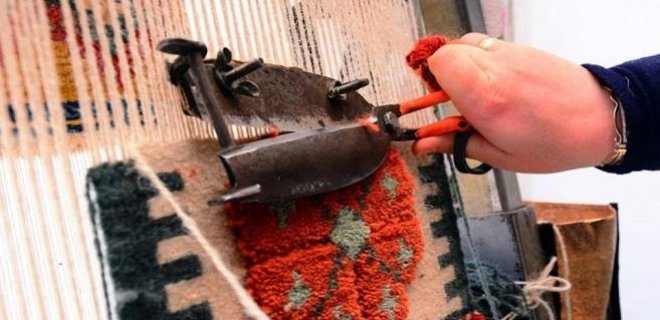
Lule stone carving. Kilim weaving. Carpet knotting. Prayer rugs. Sacks.
These aren’t souvenirs bought off a rack. They’re made by hands that know the weight of wool and the sharpness of stone.
Lule stone — that soft, gray-green material — is carved into incense burners and bowls. It holds scent. It ages with use.
Kilims are flat-woven rugs. No pile. Just geometry. Turkish motifs repeated across centuries.
Carpets tell stories. Each knot is a decision. A village might have its own pattern language.
Seccades are prayer rugs. Simple. Sacred. Often smaller, but no less intricate.
Sacks — yes, really. Woven cotton or wool. Used for grain, for transport. Now, sometimes for decoration.
Where to find them? Not in Istanbul’s Grand Bazaar alone. Look to Konya for carpets. Van for kilims. Isparta for lule stone.
Prices vary wildly. A small kilim: $50. A hand-knotted carpet: $500 to $5,000. Lule stone item: $30 to $200.
Haggle. Always. Start at 40% of the asking price. Meet in the middle.
Bring cash. Smaller towns don’t take cards.
Don’t buy what you think you should like. Buy what stops you. What feels right in your hands.
A kilim that matches your sofa? Maybe. But a kilim that catches your eye in a dusty shop in Bursa? That’s worth more.
The craft is dying in some places. Younger generations move to cities. Machines replace looms.
Buy with intention. Support the maker.
Not all Turkish rugs are equal. Persian ones are denser. Pakistani copies are cheaper. Look for the signature. The wool quality. The dye — natural dyes fade differently.
Lule stone is real if it’s cool to the touch. If it smells faintly of earth when wet.
Prayer rugs: check the stitching. Loose threads mean rushed work.
Sacks: look for the weave. Tighter is better. Even if you use it as a tote bag.
This isn’t just shopping. It’s participation.
You’re keeping a tradition alive. Or at least slowing its fade.
Next time you’re in Antalya, skip the plastic keychains. Find the artisan. Sit down. Watch them work.
Ask about the pattern. The stone. The wool.
They’ll talk. They love to talk.
And you’ll leave with something that didn’t come from a factory.
That’s worth the detour.