United Airlines is upgrading its fleet of CRJ-200 regional jets, rebranding them as the CRJ-450, to offer a more comfortable and premium experience. The move includes reducing capacity from 50 to just 41 seats, adding first-class seating, enhanced luggage storage, and free Starlink Wi-Fi for MileagePlus members. While presented as a passenger experience improvement, the decision appears to be driven by a blend of operational efficiency, competitive strategy, and the desire to maintain market share at key airports.
The Transformation of the CRJ-200
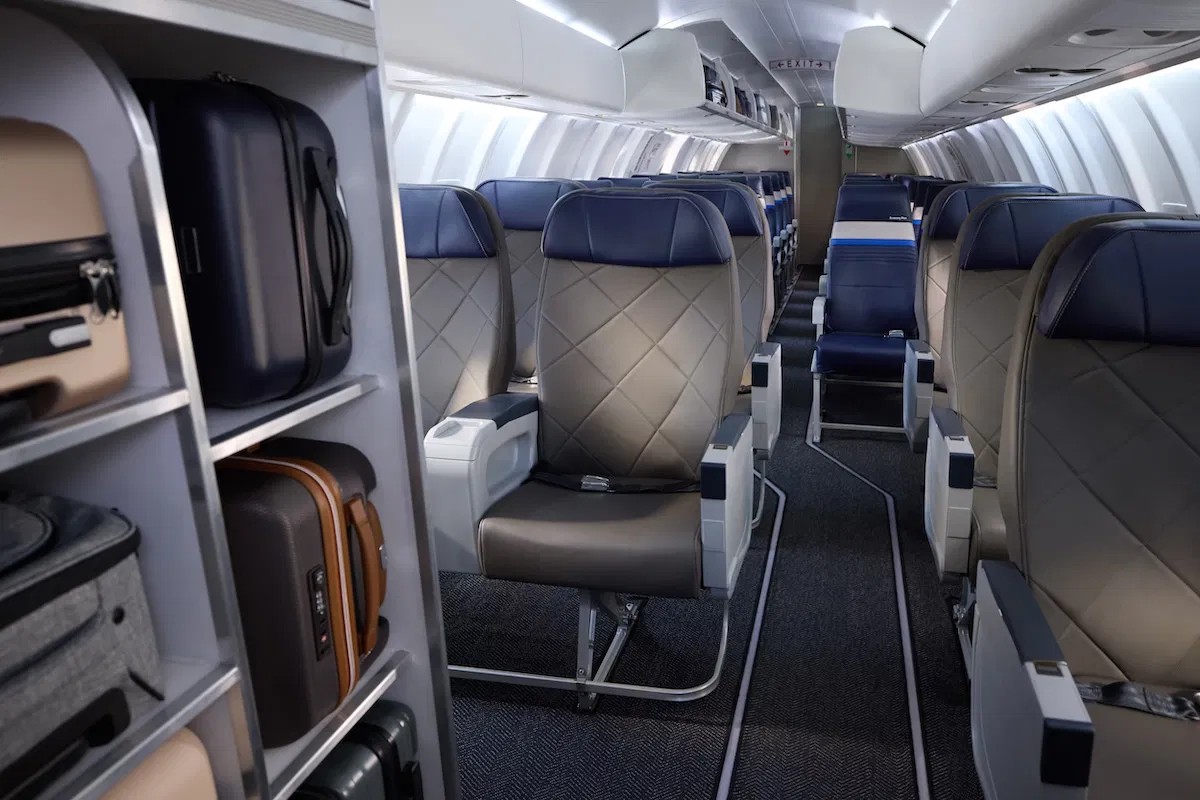
The CRJ-200 has long been regarded as one of the least pleasant regional aircraft in the United States. Typically deployed on low-demand routes with basic amenities, the rebranding seeks to address this reputation. By reducing seat count and adding seven first-class seats, United aims to create a more premium cabin layout. First-class passengers will benefit from larger luggage closets instead of overhead bins, maximizing space, while economy passengers will have access to larger carry-on storage.
The addition of Starlink Wi-Fi is a notable upgrade, offering free connectivity for MileagePlus members and aligning with United’s broader push for enhanced in-flight amenities. This aligns with a trend across the industry towards improved passenger experiences, particularly among loyalty program members.
Beyond Comfort: Strategic Fleet Management
The rationale behind reducing capacity by nearly 20% is complex. One key factor is compliance with pilot agreements, known as scope clauses, that limit the number of larger regional jets operated by United Express. Reducing the seat count to 41 allows these aircraft to avoid being categorized as larger planes, sidestepping contractual restrictions.
However, the move also serves strategic purposes. By maintaining a fleet of smaller aircraft, United can maximize gate usage at congested airports like Chicago O’Hare (ORD), where gate allocation is based on frequency rather than passenger volume. This is particularly relevant in the ongoing competition with American Airlines, where maintaining gate access is crucial for market share defense.
The Chicago Context
United CEO Scott Kirby has publicly stated the airline’s determination to prevent American Airlines from gaining ground in Chicago. By operating smaller planes more frequently, United effectively “holds” gates without necessarily increasing overall passenger numbers. This strategy is not about maximizing profitability per flight, but about preserving critical infrastructure in a highly competitive market.
The economics of operating these planes may be questionable, given the higher operating costs of regional jets and the limited demand for first-class seating on many routes. However, the benefits of gate retention and competitive positioning outweigh financial concerns in this context.
Looking Ahead
By 2028, United expects to have over 50 of these reconfigured CRJ-450s in operation. This suggests that the airline views this strategy as sustainable, despite the potential drawbacks. The decision reflects a broader trend of airlines prioritizing strategic advantages over pure profitability, particularly in highly contested hub markets.
Ultimately, the CRJ-450 upgrade is more than just a passenger experience enhancement. It’s a calculated move to leverage fleet management for competitive gains.