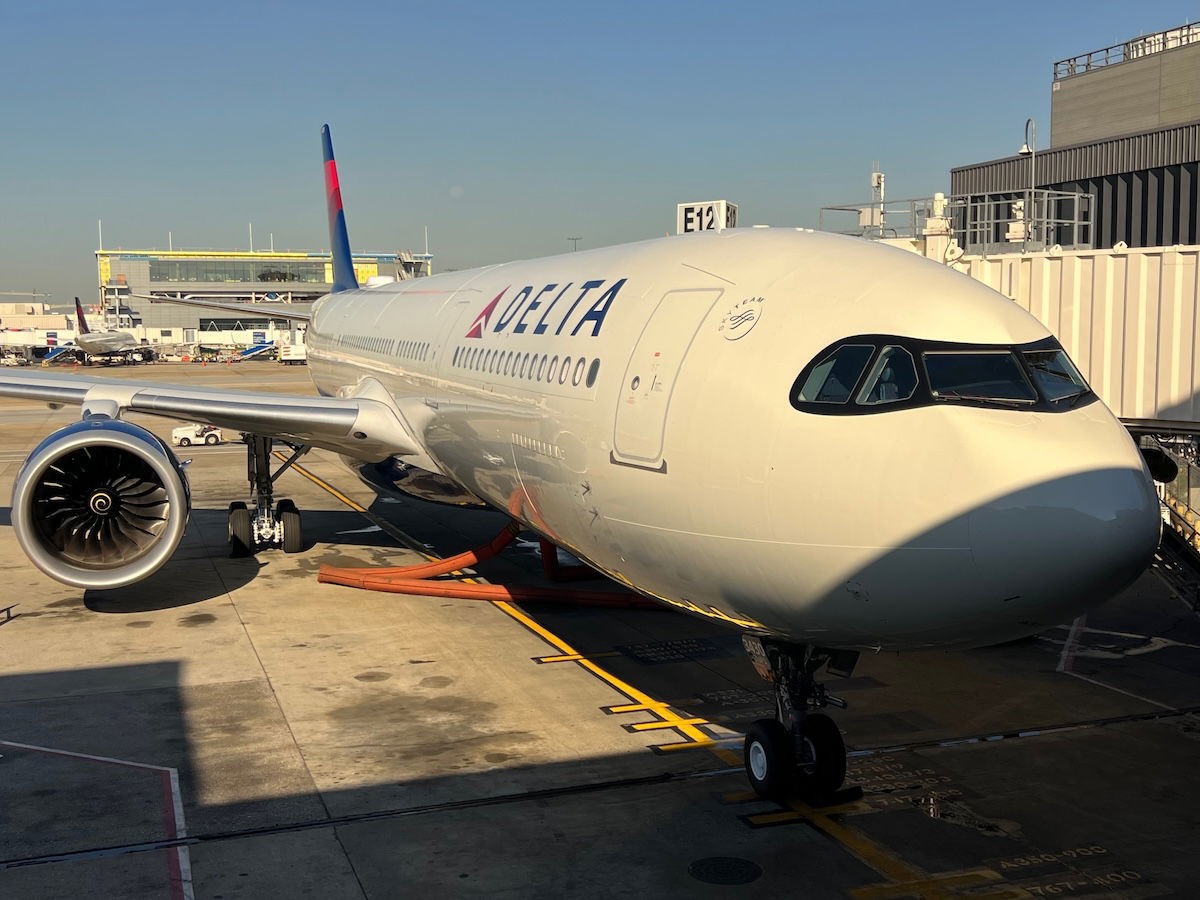
During Delta Air Lines’ Q1 2026 earnings call, CEO Ed Bastian delivered a striking forecast for the aviation industry: a period of “significant structural reform” is likely on the horizon. Bastian suggests that the industry is heading toward a wave of mergers and acquisitions that could reshape the competitive landscape more drastically than the consolidation seen over a decade ago.
The Catalyst: Fuel Prices and Capital Returns
Bastian’s prediction is rooted in a historical pattern. He noted that while the COVID-19 pandemic was a unique crisis that paralyzed the entire industry, the true drivers of structural change are often economic. Specifically, he pointed to rising oil prices as the primary catalyst for consolidation.
To provide context, Bastian drew a parallel to the period between 2008 and 2011. During those years, high fuel costs forced many airlines to merge to survive—a movement Delta itself capitalized on by acquiring Northwest Airlines in 2008.
The current economic environment presents a different challenge:
– Unprofitable Models: A significant portion of the industry has struggled to return capital to its owners or turn a profit for years.
– The “Rationalization” Factor: Unlike the pandemic era, where no airline had the financial strength to move aggressively, many airlines now possess enough capital to engage in “rationalization”—the process of buying out competitors or restructuring business models to ensure survival.
Why Consolidation Favors Delta
Perhaps the most notable part of Bastian’s commentary was his unwavering confidence that any industry consolidation will benefit Delta, regardless of whether the airline is a direct participant in a merger.
From a market perspective, this makes sense. In a consolidated industry, the number of major players decreases, which typically reduces intense price competition and allows the remaining dominant carriers to stabilize their margins. However, this raises important questions about the nature of the “reform” Bastian envisions.
Potential Scenarios for Reform
If the industry undergoes “significant structural reform,” it could take several forms:
1. Major Mergers: Larger carriers like United, American, or Alaska Airlines acquiring mid-sized players such as JetBlue or Frontier.
2. Business Model Shifts: Smaller, low-cost carriers (LCCs) being absorbed by legacy airlines to create more robust, diversified networks.
3. Market Exit: Weakened airlines failing or being restructured through bankruptcy.
The Competitive Counter-Argument
While Bastian frames any consolidation as a net positive, industry analysts note a potential catch. If a direct competitor—such as United or American Airlines—acquires a significant player like JetBlue, the resulting entity could become a much more formidable threat to Delta’s market share.
While consolidation generally reduces the total number of competitors, it can also create “super-carriers” that are better equipped to compete with Delta on key routes and premium services.
Summary: Delta CEO Ed Bastian anticipates that rising fuel costs and unprofitable business models will trigger a major wave of airline mergers. While he views this industry-wide restructuring as a strategic win for Delta, the actual impact will depend on whether the mergers create new, more powerful competitors or simply reduce overall market volatility.