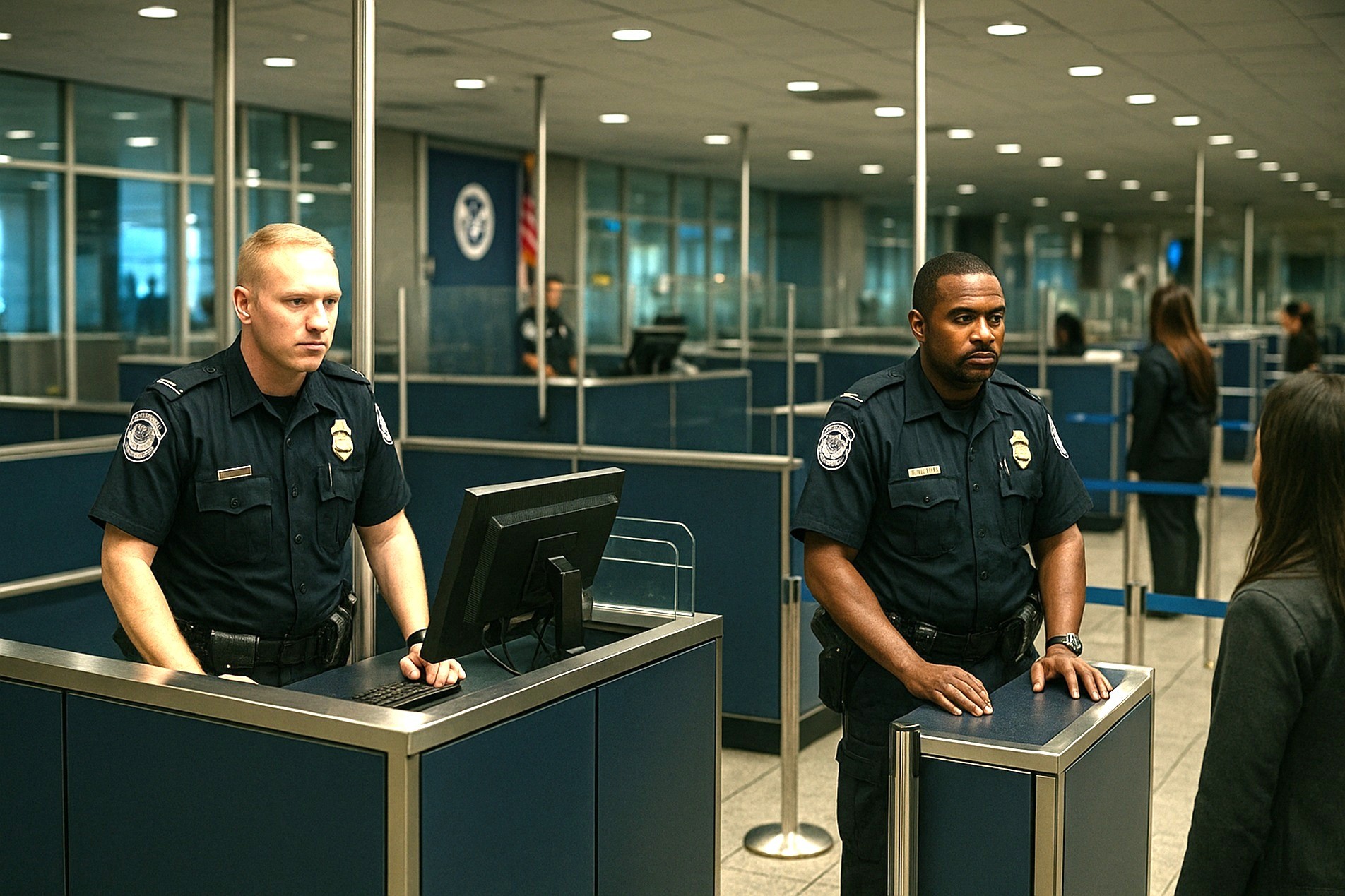
A significant lapse in protocol by U.S. Immigration and Customs Enforcement (ICE) has resulted in a 25-year-old man being mistakenly transported to Alaska rather than his intended destination in India. The incident, which occurred on May 31, 2025, has sparked questions regarding the oversight of voluntary departures and the handling of detainees during transit.
The Incident: A Deviation from Protocol
The passenger, Rakesh Rakesh, was not being forcibly deported. Having previously pursued asylum, Rakesh had voluntarily agreed to return to India at his own expense to avoid a formal deportation order on his record—a request approved by an immigration judge.
Under the terms of a voluntary departure, an individual is typically treated as a standard passenger. This means they should travel without handcuffs, shackles, or onboard escorts. However, the process used by ICE officers deviated sharply from standard airport procedures:
- Bypassing Gates: Instead of checking in through the terminal gates, ICE officers used airfield access to bring Rakesh onto the aircraft via a ramp stairway and jetbridge.
- Lack of Communication: By bypassing the gate agents, the officers failed to verify the flight manifest.
- Ignoring Warnings: Despite flight attendants informing the crew that Rakesh was not on the passenger list and was on the wrong plane, he was ordered to board the Alaska Airlines flight bound for Sitka, Alaska, regardless.
The Aftermath: Detention and Hunger Strike
Once the flight was airborne, the captain was notified of the error. Fearing for Rakesh’s safety and confusion over his destination, the captain provided him with a room at a crew hotel and arranged for a return flight to Seattle the following morning to reconnect him with his original itinerary to New York and India.
However, the resolution was far from smooth. Upon his return to Seattle, ICE refused to allow Rakesh to continue his journey to India. Instead, they re-detained him at the Northwest ICE Processing Center in Tacoma.
The stress of the situation led Rakesh to embark on a multi-day hunger strike. He remained in custody for an additional 16 days before he was finally permitted to leave the country.
Why This Matters: The Breakdown of Oversight
This case highlights a critical tension in immigration enforcement: the distinction between forced deportation and voluntary departure. When ICE bypasses standard commercial procedures—such as gate check-ins—they effectively remove the “checks and balances” provided by airline staff and airport security.
The incident raises several pressing questions:
1. Accountability: Why were officers permitted to bypass the boarding gate process entirely?
2. Safety: How was a detainee allowed to board an aircraft unescorted and off-manifest?
3. Legal Rights: Why was a man who had already secured judicial permission for voluntary departure immediately re-detained upon the correction of a logistical error?
The case is currently being handled by an immigration attorney who took the matter pro bono following the intervention of the flight captain, who had remained in contact with Rakesh throughout his ordeal.
The error was not merely a logistical mistake; it was a result of bypassing the very procedures designed to ensure passenger and detainee safety.
Conclusion
What began as a voluntary attempt to resolve an immigration status ended in 16 days of unnecessary detention due to ICE’s decision to circumvent standard airport protocols. This incident serves as a stark example of how procedural shortcuts can lead to significant human rights concerns.