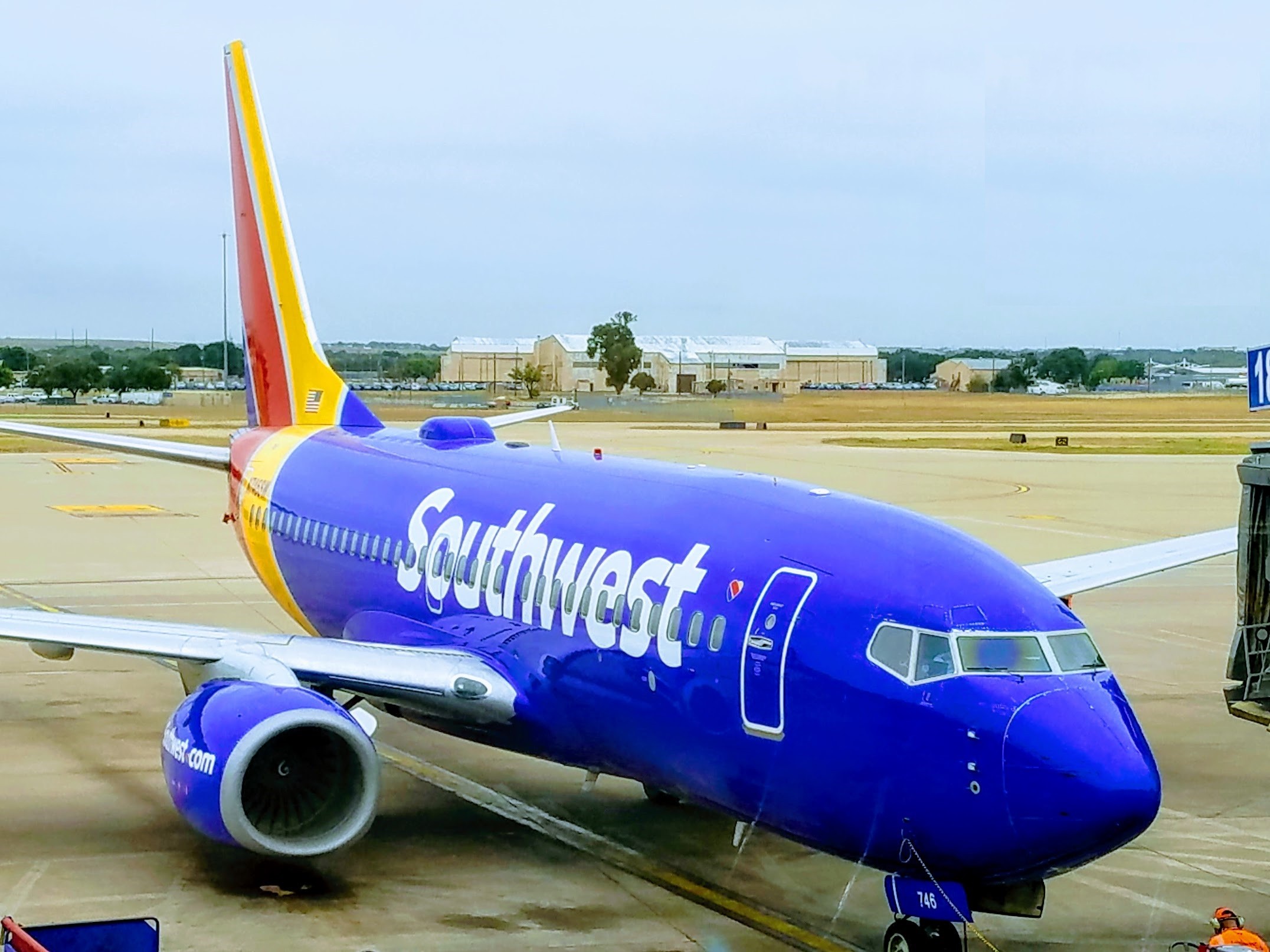
A high-stakes error by an air traffic controller at Nashville International Airport nearly resulted in a mid-air collision between two Southwest Airlines aircraft on Saturday, April 18, 2026. The incident, which saw the planes pass within just 500 feet of vertical separation, was only averted thanks to automated safety systems and rapid pilot response.
The Incident: A Sequence of Errors
The near-miss unfolded during a period of challenging weather conditions involving gusty winds. The sequence of events began when Southwest Flight 507, arriving from Myrtle Beach, attempted to land on Runway 2 Left. Due to the wind, the crew aborted the landing and performed a “go-around” to attempt a second approach.
While Flight 507 was circling to try again, Southwest Flight 1152 was cleared for departure on Runway 2 Right—a parallel runway located just to the east.
The critical failure occurred during the repositioning of the arriving aircraft:
1. Conflicting Instructions: After the go-around, the air traffic controller instructed Flight 507 to turn right. This maneuver placed the aircraft directly into the flight path of the departing Flight 1152.
2. Failed Altitude Management: The controller attempted to resolve the conflict by ordering Flight 507 to climb to 3,000 feet while instructing Flight 1152 to hold at 2,000 feet.
3. The Near-Miss: Flight 1152 quickly reported, “We’re already past it,” indicating the planes were already too close for the altitude changes to work.
Technology to the Rescue
As the aircraft converged, both cockpits received TCAS (Traffic Collision Avoidance System) advisories. These onboard systems are designed to detect potential collisions and provide pilots with immediate, automated instructions to climb or descend to avoid impact.
Both crews successfully responded to these emergency commands. Flight 1152 later confirmed they had moved “out of the [resolution advisory],” meaning the immediate threat of collision had passed.
A Growing Trend of Aviation Near-Misses
This incident is not an isolated event but part of a concerning pattern of runway and mid-air incursions involving air traffic control (ATC) errors. Recent notable examples include:
- San Diego: A controller cleared one Southwest flight to take off while clearing another to cross the same runway, forcing a takeoff abort at 100 knots.
- San Francisco: United and Alaska Airlines aircraft were forced to abort landings to avoid a Southwest jet.
- Austin: A FedEx plane and a Southwest 737 were cleared into the same airspace, resulting in only 500 feet of vertical separation.
- Chicago Midway: Southwest pilots had to abort a landing after spotting a private jet crossing their runway.
Why is this happening?
While it is difficult to determine if these incidents are increasing in frequency or simply becoming more visible due to better reporting, several systemic factors are often cited:
– Aging Infrastructure: Many ATC systems are reaching the end of their operational lifecycles.
– Controller Workload: High traffic density and staffing pressures can lead to human error.
– Complexity of Operations: As airspace becomes more crowded, the margin for error shrinks, making even minor mistakes potentially catastrophic.
The Nashville incident highlights the critical importance of TCAS; while human error in the control tower remains a significant risk, automated onboard safety systems serve as the final, essential line of defense.
Conclusion
The Nashville near-miss serves as a stark reminder of the thin margins in aviation safety. While automated collision avoidance systems prevented a disaster, the frequency of controller-driven errors raises urgent questions about the need for modernized air traffic control systems and increased oversight.