A transatlantic American Airlines flight was forced to divert to New York’s John F. Kennedy International Airport (JFK) on Tuesday night after a cockpit windshield shattered mid-flight. The incident occurred on Flight 784, a Boeing 777-200 traveling from Charlotte, North Carolina, to Munich, Germany. Despite the dramatic nature of the event, all passengers and crew were safe, and the airline managed to minimize delays for travelers reaching their final destination.
The Incident and Immediate Response
The aircraft, registration N776AN, departed Charlotte at 8:58 p.m., running 43 minutes behind schedule. As the plane crossed the Atlantic Ocean—aviation insiders often referring to this sector as “the Pond”—the windshield on the first officer’s side cracked and shattered.
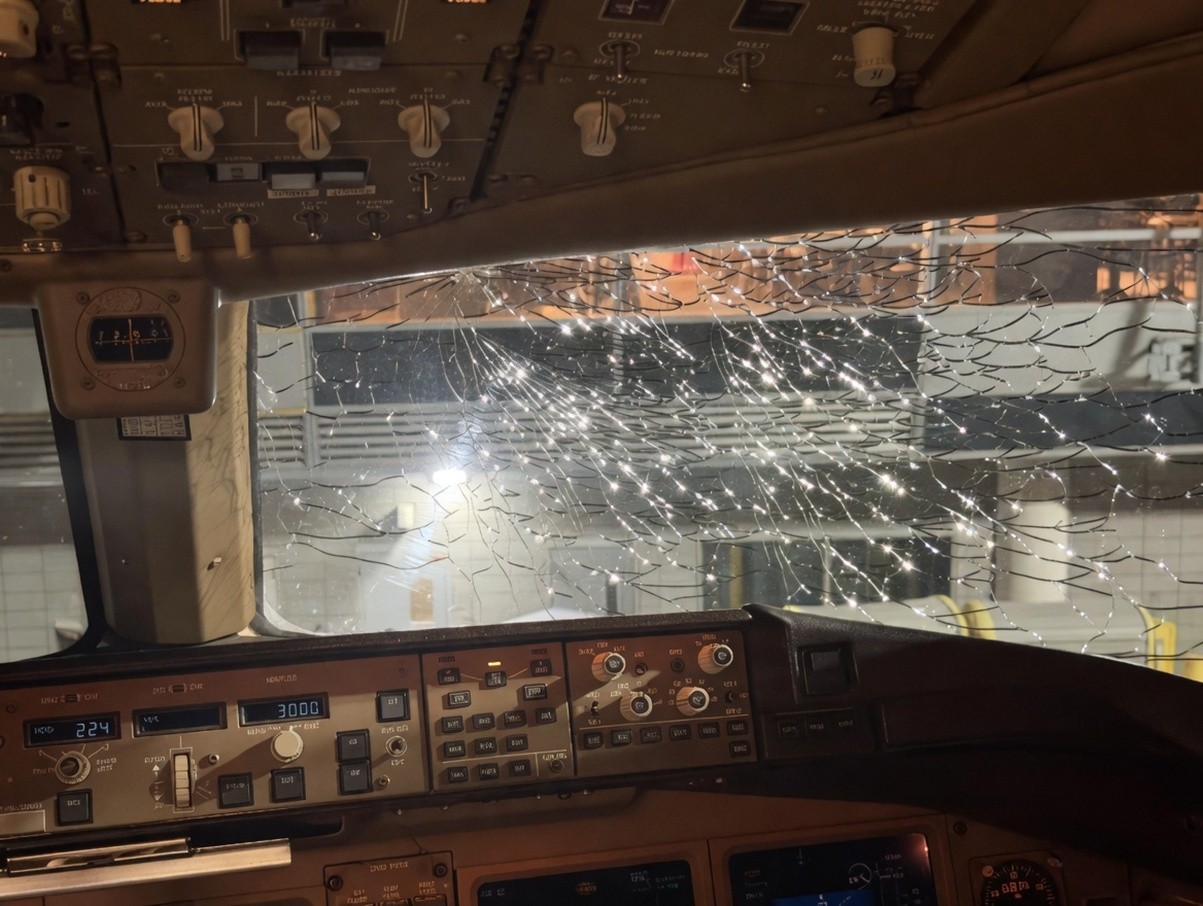
Visual evidence of the damage has since circulated online, showing the extent of the fracture. However, aviation experts note that while the sight is alarming, it is not necessarily indicative of a catastrophic structural failure. Cockpit windshields are engineered as multi-ply laminated structures designed to contain cracks and maintain cabin pressurization even if the outer layer is compromised. In this case, there was no loss of pressure, allowing the crew to safely maneuver the aircraft back toward the United States.
Efficient Recovery and Passenger Impact
American Airlines executed a rapid response to mitigate the disruption. Upon landing in New York, passengers were transferred to a replacement Boeing 777 (registration N786AN). This secondary aircraft departed JFK at 2:48 a.m. and arrived in Munich just over seven hours later.
The Bottom Line for Travelers: Despite the unscheduled stop and aircraft change, passengers arrived in Munich less than eight hours behind their original schedule.
From a regulatory standpoint, the incident highlights the nuances of international travel compensation. Because the flight originated in the U.S. and was operated by a U.S. carrier, EU Regulation 261/2004 (EU261) does not apply. Consequently, passengers are not entitled to the standard financial compensation often associated with significant delays in European aviation law.
Understanding the Cause: Heat and Stress
While an official investigation is pending, aviation analysts point to a common mechanical vulnerability in modern aircraft: the heated windshield system.
Cockpit windshields on wide-body jets like the 777 are electrically heated to prevent ice buildup and maintain clarity at high altitudes. Failures in this system are often caused by:
* Electrical faults: Loose connections or solder-joint damage within the terminal blocks.
* Thermal stress: Overheating or moisture intrusion leading to arcing.
* Material fatigue: Thermal expansion causing cracks in the laminated plies.
This is not an isolated issue for American Airlines. The carrier has previously encountered similar incidents involving windshield heating elements, leading to smoke, odor, or cracking. In past years, airworthiness directives have addressed these specific terminal issues, underscoring that while rare, these are known mechanical risks rather than signs of broader airframe defects.
Context: Beyond Space Debris
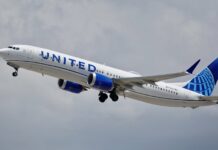
The incident also serves as a reminder of how cockpit windshield anomalies are interpreted in the public eye. Recently, United Airlines faced media scrutiny when a windshield crack was initially speculated to be caused by space debris or a balloon strike. In reality, most such events are internal mechanical failures related to heating systems or structural stress, rather than external impacts.
Key Takeaway: While a shattered windshield looks like a disaster, it is a manageable emergency procedure in commercial aviation. The redundancy built into these systems ensures that safety is maintained even when the glass fails.
Conclusion
The diversion of American Airlines Flight 784 was a dramatic but ultimately manageable aviation event. Thanks to robust aircraft design and efficient airline logistics, the safety of the crew and passengers was never in jeopardy, and the disruption to travel plans was kept to a minimum. This incident reinforces the importance of understanding the technical realities behind cockpit anomalies, distinguishing between visual drama and actual risk.