They call it The Wild West of viticulture. Maybe they should.
Winemakers here aren’t just farmers. They’re artists, explorers, reckless tinkerers with dirt. I walked in expecting neat rows of predictable fruit. I got latitude instead. That kind of freedom—no Napa codification, no Bordeaux rigidness—you find it in Santa Barbara Wine Country. It’s chaotic. It’s ideal. It works.
You might think you know this place. You don’t. Seven official AVAs stretch from the Pacific freeze to the inland heat. Santa Maria, Sta. Rita Hills, Ballard Canyon, Happy Canyon, Los Olivos, Santa Ynez, Alisos Canyon. East to west. Cold currents from the Gulf of Alaska kill the summer heat, letting grapes hang on the vine until October. Ripening slows. Acidity builds. Tannins develop without turning into sandpaper.
Pinot noir. Chardonnay. Syrah. The big three? Sure. But don’t sleep on the albariño, the grenache, the cab. This place is diverse in a way that surprises people. You won’t see it all in one go, but you’ll see enough to change how you think about California wine.
Here is how to do it right. In three days.
Day 1: The Urban Fix
Start in the city. Skip the beach. Go to the Funk Zone.
Former warehouses. Graffiti that looks expensive. Tasting rooms where the marble is white and the air smells like fermentation and ambition. This is the Urban Wine Trail. Between Highway 101 and the ocean, you’ll find Margerum Santa Barbara.
Order the charcuterie. Drink the seasonal flight. See what’s emerging. See what’s classic. The varietals shift here.
Then eat. Real food, not restaurant garnish.
I went to Blackbird. Part of the Hotel Californian. New American? Call it hyperlocal. The steak tartare came with shallots and pickled mustard seed. Best I’ve had. The Big Ass Tomahawk arrived with a razor-sharp hatchet. I felt safe.
Drink wine. Or cocktail. The berries come from markets. The cognac is house-infused with figs.
Stay at the Hotel. It’s close to the water. The design is contemporary meets Moroccan chic. Martyn Lawrence Bullard did the space. There’s a pool on the roof. Pacific on one side. Santa Ynez mountains on the other. Good for napping after tasting.
“The Funk Zone proves wine doesn’t need vines in sight to be legitimate.”
Day 2: The Cool Climate Run
Forty-five minutes north. The air changes.
Temperatures rise one degree per mile inland. Simple math. Complex result. Start with the ocean air. Head to Sta. Rita Hills AVA.
Melville Winery looks like a villa you’d steal photos from on Pinterest. Vine-laden trellises. Organic. Sustainable. The fog comes in every morning. The wind keeps things cool. They harvest late. Mid-October isn’t crazy here; it’s standard.
Sit in the tasting room. Pour the 2024 Pinot Noir.
Red fruit. Rose petals. Sage. White pepper. Complexity? Yes. Elegance? Also yes. Try the 2022 Syrah next. Meat. Lavender. It’s dark and serious. End with Chardonnay. Mineral. Sharp. Lemon and salt.
I hate oaky Chard. I hated the wrong stuff. This was precise. Clean. I drank it anyway.
Drive east to Ballard Canyon. Stop in Buellton. Go to The Hitching Post II for BBQ.
Santa Maria-style. Open-fire grill. Scent of red oak hangs heavy under the blue sky. Order the Santa Ynez sirloin. Thick. Juicy. Eat it under the oak trees. Drink Hitching Post wine. Try the pet-nat. Try the piquette. Sparkling surprises work better when you expect beef.
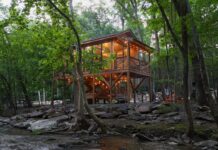
Afternoon moves further east. Los Olivos AVA. Carhartt Family Wines lives in a cabin. Backyard furniture made of blonde wood. Flowers. Corners built for getting lost in conversation.
Chase Carhartt tells the story. Mom’s ingenuity. His travels. Now, 100 percent direct to consumer. No distributors. Just the club, the website, and this room. Two labels. Twenty-five cuvées. If you don’t know them, you’re buying elsewhere. That’s rare.
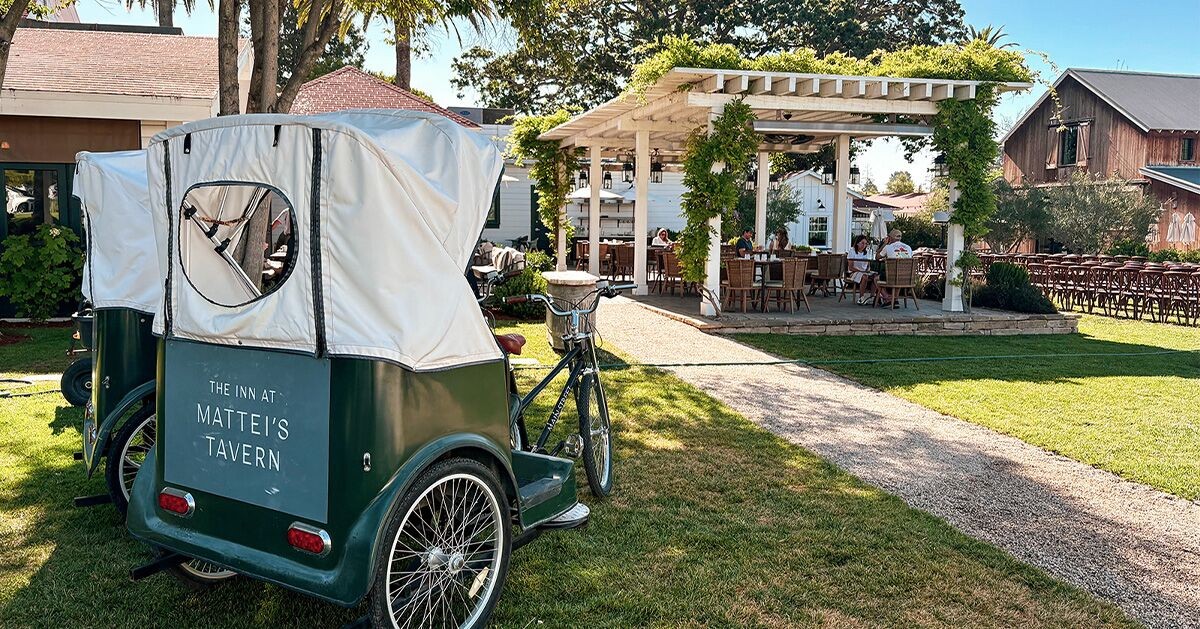
Sleep in a cottage. The Inn at Mattei’s Tavern in the valley center.
The tavern started as a stagecoach stop in 18D6. A speakeasy later. Now? It’s Wednesday Winemaker takeover night. Sip with the locals. Hear a guitarist. Drink wine from the people who grew the grapes.
Eat at the tavern. Menu follows the ranch life. Grilled veg. Seafood. Prime filet with charred leeks. Wine list leans heavy on Santa Barbara. Of course it does.
Day 3: The Ancient Roots
Breakfast in the green room at Felix Feed & Coffee.
Morning glory buns. Chai tea lattes. Seasonal yogurt. Fuel up.
North again. Santa Maria Valley AVA. California’s second oldest AVA. 7,500 acresof vineyard land. Alluvial soil. Ancient water sources.
Ranchos de Ontiveros. James Ontiveros meets you by his pickup.
His family farmed here for nine generations. Nine. He hands you glasses of Pinot from the back of the truck. The liquid sparkles. The vines surround you.
He talks about energy. Freshness. He wants this place to be UNESCO. Protect the land. Spotlight the history. They do ranch tours if you book. They should do more of them.
Next is Presqu’ile Winery. Another family estate. Sustainability in Practice (SIP) certified.
Triticale and vetch as cover crops. Nitrogen fixes itself. No herbicides. Birds stay alive to eat the bugs. Farming without poisoning the soil. It should be standard everywhere.
They love art here, too. A bunker along the embankment hosts Cole Sternberg’s conceptual exhibition. Until 2026? Ambitious. Stay for the Wine + Food Experience. $75. Mezze. Fresh cheeses with honey. Watermelon gazpacho. Purple rice. Five wines. Garden-driven. Delicious.
Head south to Los Alamos. Frontier town vibes. Cottonwoods. Historic buildings.
Visit Clementine Carter Wines.
Cool-climate Rhône blends. Grenache, Syrah, Mourvèdre. Look for The Feminist Party. A label by Sonja Magdevski. Former journalist. Current winemaker. She makes wine about identity. The GSM blend is her statement piece.
End with a drink. Or three.
Bodega Los Alamos sits on Bell Street. Red oak trees shade the patio. Natural wines. Craft beer. Cider. I ordered something unexpected: High Seas Mead Single Fin Cider. Crisp. Refreshing. Not what you expect from a wine trip. Good.
Dinner at Bell’s Restaurant. One Michelin star. Five years running.
Chef Daisy Ryan serves French-inspired dishes. Tethered to local ingredients. Five courses. Prix fixe. Changes every week. The wine list matches the food—local SB county gems mixed with French imports.
No neat bow.
Just seven regions. Nine generations. Cold air from Alaska. A long weekend that feels longer when you realize you’ve only scratched the surface.