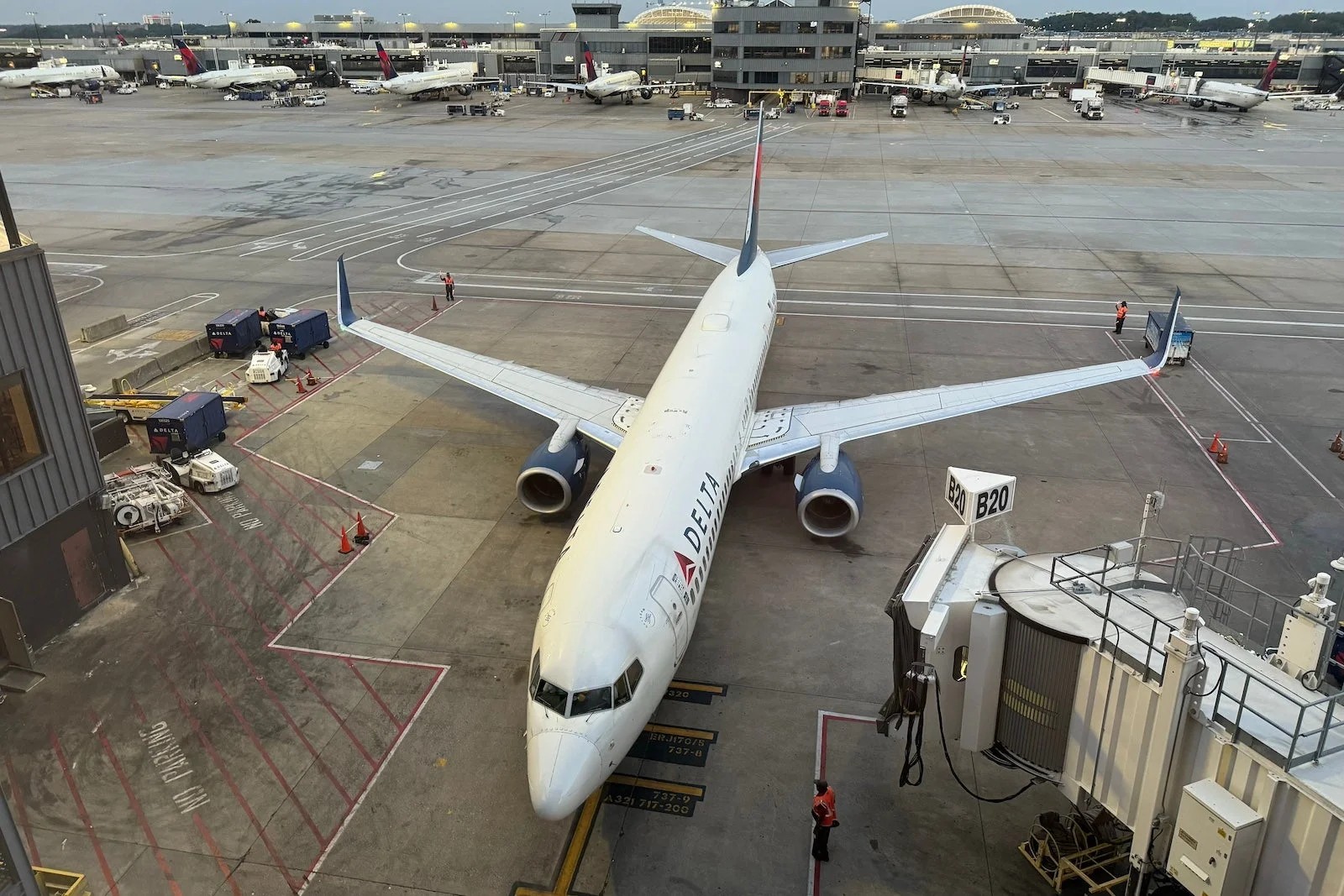
Аеропорт Хартсфілд-Джексон в Атланті – це не просто місце з високим трафіком. Це своєрідний гравітаційний центр для авіасполучення.
Роками він утримував титул найзавантаженішого аеропорту у світі. Чому? Тому що саме тут ґрунтується авіакомпанія Delta Air Lines. Якщо ви летитье Delta, ви, швидше за все, стикалися з неминучою необхідністю пересадки. Ви приземляєтеся, пробиваєтеся через термінал розміром з невелику країну та сідайте на наступний рейс. Для постійних пасажирів це є свого роду ритуал.
Але Delta – не єдиний гравець, який використовує цю масштабну модель “hub-and-spoke” (ступиця-спиці). American Airlines переганяє пасажирів через Даллас або Шарлотт, а United Airlines робить те саме в Чикаго, Денвері або Х’юстоні. Ця система пропускає мільйони мандрівників через кілька мегахабів, формуючи те, як переміщуються люди повітрям в Америці.
Так які ж насправді є найбільшими авіахабами США?
Дані за 2025 рік, отримані від аналітичної фірми у сфері авіації Cirium, дають чітку картину обсягів відправлень та місткості місць. Йдеться не лише про те, куди літають літаки, а й про те, де концентрується основний потік.
Топ-10 авіахабів США за кількістю вильотів (2025)
Аналіз сирих даних про кількість рейсів, що вилітають, показує масштаби операцій у хабах традиційних авіакомпаній. Сильні позиції Delta в Атланті впевнено тримають її першому місці. Обсяг вильотів приголомшує, значно перевищуючи показники інших аеропортів.
Однак цей список розповідає історію про географію та контроль ринку.
У ньому ви не знайдете нью-йоркський JFK або лос-анджелеський LAX. Обидва аеропорти стабільно входять до числа найбільш завантажених у світі за кількістю пасажирів. Чому ж вони не очолюють список за цим конкретним критерієм?
Дефіцит воріт. Обмеження на злітно-посадкові слоти. Перенасичений ринок, де жодна авіакомпанія не домінує.
Федеральні регулятори строго обмежують права на зліт та посадку у багатьох великих містах. Незважаючи на те, що Delta активно літає в JFK, кількість її рейсів там — крапля в морі порівняно з операціями в Атланті. У LAX та JFK авіакомпанії ділять обмежені ресурси, а не панують ними як в основних хабах.
Це робить домінування Атланти ще більш вражаючим. Тут є простір та слоти для роботи механізму, що забезпечує функціонування всієї мережі Delta.
Домінування О’Хара
Цікаво, що аеропорт Чикаго О’Хара (ORD) з’являється в загальному ландшафті хабів двічі, хоча його рейтинг може розподілятися в залежності від метрики.
United Airlines давно вважає О’Хару своїм домашнім хабом. Але останнім часом American Airlines агресивно збільшує кількість рейсів, перетворюючи ORD на поле битви за території. Така подвійна присутність робить Чикаго одним із найбільш конкурентоспроможних та важливих вузлів національної мережі.
Коли ми дивимося на кількість вильотів, три головні традиційні авіакомпанії — Delta, American і United — займають верхні рядки. Їхні хаби створені для об’єму та зв’язності, а не просто для зручності рейсів з точки в крапку.
Ранжування за запланованими місцями: важливість місткості
Кількість вильотів розповідає лише половину історії. Деякі хаби спираються на десятки невеликих регіональних літаків, тоді як інші використовують величезні лайнери широкофюзеляжу для перекидання натовпу людей через континенти.
Якщо ми оцінюємо авіахаби США за кількістю запланованих місць, ієрархія дещо змінюється. Авіакомпанії, які надають пріоритет великим літакам, піднімаються вище в рейтингу. Цей показник відбиває реальну пасажирську місткість, а чи не просто частоту рейсів.
Ось як основні хаби виглядають у 2025 році з точки зору кількості місць:
- Delta в Атланті (ATL) : Беззастережний лідер.
- American у Даллас/Форт-Уерті (DFW) : Величезна присутність на південному центрі США.
- American у Шарлотті (CLT) : Найшвидше зростаючий хаб для American.
- United у Денвері (DEN) : Ключові ворота на Захід та у Скелясті гори.
- United в Чикаго О’Хара (ORD) : Міжнародні ворота Середнього Заходу.
- United у Х’юстоні (IAH) : Стратегічний зв’язок з Латинською Америкою та внутрішнім ринком.
- American у Майамі (MIA) : Міст до Латинської Америки.
- United в Ньюарку (EWR) : Великий хаб у Нью-Йоркській агломерації, хоч і меншого масштабу, ніж JFK/LGA.
- American в Чикаго О’Хара (ORD) : Підтвердження статусу подвійного хаба.
- United в Сан-Франциско (SFO) : Хаби з високою цінністю для трансконтинентальних та транстихоокеанських маршрутів.
rise Сан-Франциско
Чому операції United у Сан-Франциско так високо у списку за кількістю місць?
Вся справа у літаках. SFO – це не просто внутрішня точка пересадки. Це головні ворота United для трансконтинентальних та транстихоокеанських польотів. Ці маршрути потребують широкофюзеляжних літаків із сотнями місць. Один рейс із SFO до Лондона або Токіо може перевезти стільки ж пасажирів, скільки кілька регіональних джетів.
Таке стратегічне використання великофюзеляжних літаків піднімає SFO вище в рейтингах місткості, ніж це могли б показати чисті метрики кількості рейсів. Тут важливіше не об’єм, а щільність та дальність польотів.
Почесні згадки
Деякі великі гравці не потрапили до топ-10 зовсім небагато.
- Delta у Міннеаполісі-Сент-Полі (MSP) : Міцний регіональний хаб, який активно живить мережу Delta з Верхнього Середнього Заходу.
- Southwest в Денвері (DEN) : Southwest працює за моделлю «з точки в крапку», а не за традиційною хабовою системою, але Денвер залишається одним із найважливіших операційних центрів компанії.
- Alaska Airlines у Сіетлі-Такомі (SEA) : Західні ворота для Alaska Airlines, який швидко зростає як база операцій.
Ці аеропорти підтримують величезні мережі, але часто не мають одноосібного домінування однієї авіакомпанії чи достатнього обсягу місць, щоб пробитися до топ-10 цих конкретних рейтингів 2025 року.
Ландшафт авіації змінюється. Традиційні перевізники адаптують свої хаби в залежності від попиту, доступності слотів та складу флоту. Але поки що Атланта залишається якорем.
Це не просто найбільш завантажений аеропорт. Це двигун американської авіації. Чи літаєте ви Delta, American або United, ваш шлях, швидше за все, проходить через Атланту, Даллас, Чикаго або Денвер. Карту малюють саме ці хаби.
А для тих із нас, хто стоїть у черзі на огляд і запитує, чому не можна просто летіти прямим рейсом? Справа не особисто у вас. Це модель хаба. Вона збудована на масштабі. Вона побудована на з’єднаннях.
Можна сміливо сказати, що система працює. Або…