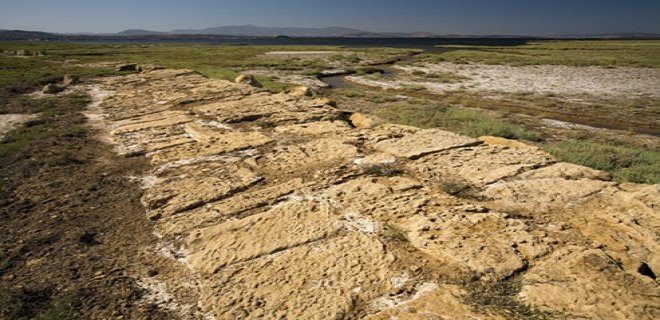
Finding Elaia Antik Kenti feels less like visiting a crowded archaeological site and more like stumbling upon a secret. Tucked away in the Dikili district of Izmir Province, this ancient settlement sits quietly near the borders of Zeytindağı. The name itself is a dead giveaway. Elaia translates directly to “olive grove.” It makes sense. The land is thick with olive trees, a fitting tribute to the city’s oldest identity.
The city’s origins trace back to Menetsheus. Under his influence, Elaia grew into a significant hub during the classical period. It wasn’t just a quiet village. It served as a strategic naval base for the Kingdom of Pergamon. This role gave it importance far beyond its local size. You can still feel the weight of that history in the ruins scattered across the landscape.
For travelers planning a trip to Turkey’s Aegean coast, Elaia offers something rare. It is not overrun by bus tours. You get space to breathe. You get silence. The ruins are spread out, inviting slow exploration rather than a rushed checklist.
Why Elaia Antik Kenti Is Worth Visiting
Many travelers flock to Ephesus or Pergamon. They miss Elaia. This is a mistake. The site provides a tangible connection to the Hellenistic and Roman periods without the crushing crowds. It is perfect for history buffs who want to understand the region’s maritime past.
The city’s location is key. It sits near the sea, a reminder of its past as a port. The olive groves surrounding the site add a layer of serenity. You can imagine the ancient traders and soldiers who once walked these same paths.
What to See and Do
The ruins are not fully excavated. This works in your favor. You are exploring a landscape, not just a museum. Look for the remnants of public buildings and residential areas. The scattered stones tell a story of a once-thriving community.
Visiting Elaia requires a bit of planning. It is not as easily accessible as major tourist hubs. You will need to drive to Dikili. From there, it is a short trip to the site. Bring water. Bring comfortable shoes. The terrain is uneven. The sun can be harsh in the summer months.
Spring and autumn are the best times to visit. The weather is mild. The olive trees are either blooming or heavy with fruit. The light is soft. It makes for excellent photography.
Practical Details for Travelers
- Location: Dikili, Izmir Province, Turkey.
- Best Time to Visit: April to June or September to October.
- Entry Fee: There is usually a small fee. Check local sources for current prices.
- Getting There: Drive to Dikili. Follow signs for Elaia Antik Kenti.
- What to Bring: Water, sunscreen, camera, comfortable walking shoes.
Elaia is not about grandiosity. It is about atmosphere. It is about standing in a place where history has settled into the earth. You leave with a sense of peace. You leave with a deeper understanding of the Aegean’s past.
The ruins whisper. They do not shout. Listen closely.
The Vanished Marble Cup of Küplü Hamam
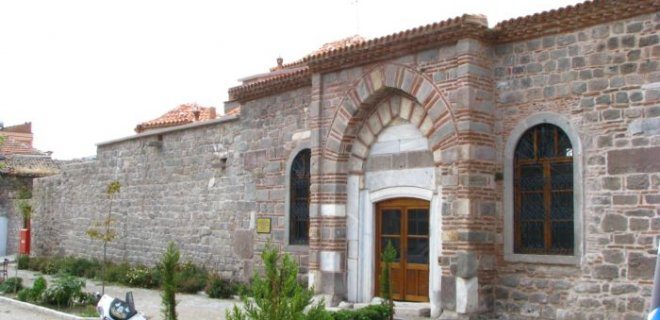
Built in 1427, Küplü Hamam carries a name that is now more legend than physical reality. It is named after the marble bath tub (küp ) once housed within its walls, a centerpiece of Ottoman hydraulic luxury. But the tub is gone. Stolen during a period of instability, it was smuggled out of the country and eventually found its way to the Louvre Museum in Paris.
You won’t see it when you visit today. The empty space in the hammam’s central chamber is a reminder of a loss that feels almost symbolic. Who ordered the construction? Records are silent. We only know it was built using cut stone and rubble, a sturdy combination that reflects the pragmatic elegance of early Ottoman architecture.
The building itself remains intact. The structure stands as a testament to a time when public baths were not just about hygiene, but about social hierarchy and community. The absence of the marble cup doesn’t diminish the hammam’s value; if anything, it adds a layer of mystery. Travelers coming to see this 15th-century relic are often struck by the contrast between the sturdy, unadorned exterior and the history of theft and displacement that lies beneath the surface.
Practical Tips for Visiting
If you are planning to include Küplü Hamam in your itinerary, keep in mind that it is a historical site first and a tourist attraction second. There are no grand spa treatments here today. It is a place for observation.
- Best Time to Visit: Early morning or late afternoon to avoid the heat if you are in a warmer region. The stone retains temperature, and the shadows play interestingly on the rubble walls.
- What to Look For: The construction technique. Notice how the cut stone frames the openings while the rubble fills the gaps. This is classic Ottoman masonry.
- Logistics: Check local opening hours, as access can be limited. It is not always open to the public in the same way a modern museum is.
The story of the missing tub is a sharp reminder of how artifacts move, often violently, across borders. Standing in the hammam, you are looking at a shell. The prize is in Paris. This duality – the presence of the building, the absence of its jewel – is what makes the site compelling. It is not just a bathhouse. It is a crime scene in stone.
Beyond the Pergamon Museum
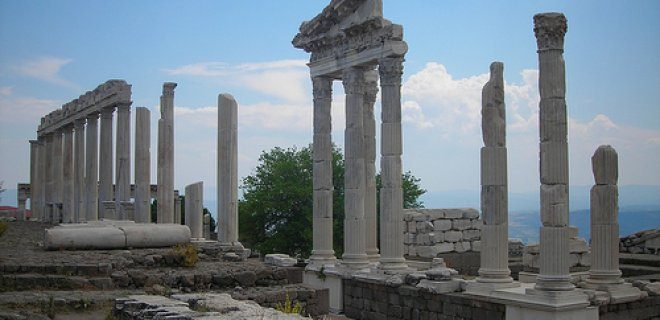
If you are looking for a day trip that feels less like a museum visit and more like stepping into a history book, head north from İzmir. Bergama Antik Kenti isn’t just another ruin; it’s a layered landscape where Greek, Roman, and Ottoman influences collide on a steep hillside. The city was once the premier healing center of the ancient world, a place where people traveled from across the Mediterranean seeking cures. Today, it remains a magnet for both local and international tourists, but the real draw is how the past is physically embedded in the terrain.
The Hillside Theater and the Acropolis
The most striking feature is the theater, carved directly into the mountain. It’s not a flat arena. You climb up through dense trees, past ancient walls, until the view opens up to the Aegean Sea. The acoustics are still intact. If you go early in the morning, you might just have the place to yourself. The stone seats rise in steep tiers, offering a perspective that explains why this location was chosen for both worship and performance.
A Legacy of Healing
Why did Bergama matter so much in antiquity? Because of Asclepius. The god of medicine. The sanctuary here was a medical hub, attracting patients who believed in the power of dream incubation and sacred sleep to cure illness. While the temples are gone, the ruins of the healing centers still dot the landscape. It’s a sobering reminder that health tourism is nothing new. You can walk through the same stone corridors where people once sought relief from ailments that modern medicine still struggles to explain.
Practical Details for Your Visit
- Location: About 100 kilometers northeast of İzmir city center.
- Getting There: Renting a car is the most flexible option. Buses are available but less frequent.
- Best Time to Visit: Early morning or late afternoon. The midday sun is harsh on the exposed stone.
- What to See: The theater, the Temple of Trajan, and the ancient healing sanctuaries. Don’t miss the Pergamon Museum in İzmir if you want context for the artifacts found here.
The site requires physical effort. The terrain is uneven. Wear sturdy shoes. The experience is raw, uncurated, and deeply atmospheric. You aren’t just looking at stones. You’re standing where ancient physicians practiced. Where kings held court. Where the wind carries the weight of centuries.
Why Bergama Museum Matters for Your Itinerary
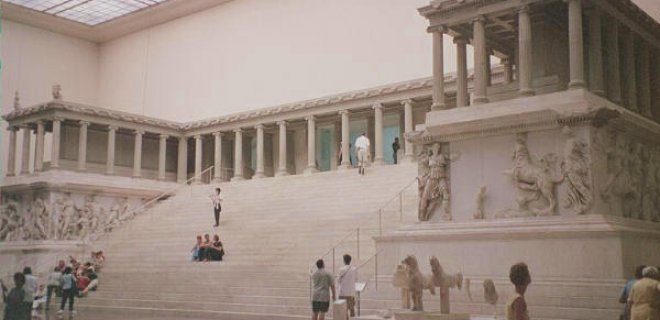
You might skip the museum, thinking you’ve seen enough ancient stones in the main excavations. That’s a mistake. Bergama Museum isn’t just a storage locker for debris. It’s Turkey’s first archaeological museum. That distinction matters. It sits in a city that has been a capital for Lydia, Pergamon, and Rome. The layers here are deep.
The building itself has a story. It was established to house artifacts dug out between 1878 and 1900. More digging happened from 1900 to 1913. You need a place for all that stuff. In 1932, Marshal Fevzi Çakmak ordered it open as a proper museum. It wasn’t just a warehouse anymore. It was a destination.
What You’ll Actually See Inside
Don’t expect a single theme. You’ll walk past civilizations stacked on top of each other. The exhibits cover the Lydian kings who invented coinage. You’ll see Pergamon’s Hellenistic grandeur. Then there’s the Roman period. The collection is messy in the best way. It shows a place that refused to stay under one flag for long.
The artifacts include pottery, statues, and inscriptions. Some are fragmentary. Others are startlingly complete. You’ll find pieces that tell you about daily life, not just kings and battles. A child’s toy. A merchant’s seal. These small things hit harder than the giant marble heads.
Practical Details for Your Visit
The museum is centrally located. You can walk here from the main theater. It doesn’t require a bus. Plan for an hour. Maybe two if you like reading labels. It’s not huge. But it’s dense with information.
Tickets cost a fraction of what you pay for the big attractions. Yet the context here is invaluable. Without these pieces, the ruins above ground feel hollow. The museum fills in the gaps. It explains who lived here and how they died.
The museum transforms random stones into a narrative.
Which Artifacts Demand Your Attention
Some items stand out. Look for the terracotta figurines from the Temple of Athena. They’re delicate. They show the hands of artists who worked thousands of years ago. Then there are the bronze weapons. Lydian craftsmanship was sharp. You can see the wear on the blades. History feels physical here.
Don’t rush past the Roman mosaics. They’re intricate. The patterns are preserved because they were hidden under floors for centuries. Now they’re on display. You can trace the lines with your eyes. It’s a quiet moment in a loud tourist city.
When to Go
Mornings are best. The light hits the entrance well. The crowds haven’t peaked yet. Many tour groups arrive after lunch. Beat them. Get your quiet time with the artifacts. Then head back outside. The sun will be higher. The heat will rise. But you’ll have seen the soul of Bergama before the bodies take over.
The museum doesn’t shout. It waits. It holds the weight of millennia in a few rooms. You carry that weight out with you.
The Heavy Stone Silence of Bergama’s Grand Mosque
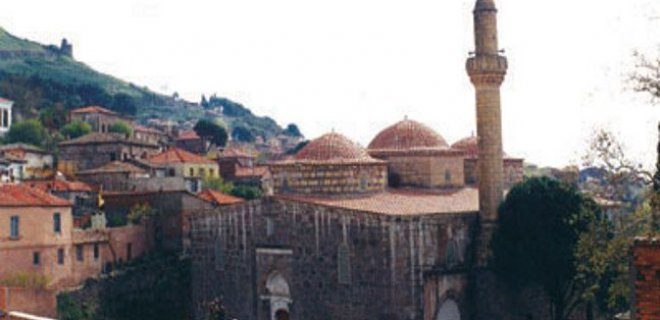
You walk into the courtyard and the first thing that hits you is the weight. Not metaphorical. Physical. The structure is built from cut stone, blocks of it, stacked with a kind of stubborn permanence that ignores the centuries. This is the Bergama Ulu Camii. It doesn’t whisper. It sits.
Sultan Bayezid commissioned it in 1399. That’s late 14th century. Ottoman power was still flexing its muscles, figuring out how to look like it owned the sky. They didn’t use brick or lighter materials here. They used cut stone. Rectangular footprint. No frills. Just geometry and gravity.
Why does this matter to you standing there today? Because the stone remembers.
When they restored it in 1949, they didn’t rebuild it from scratch. They propped it up. They reinforced the bones. If you look closely at the corners, you can see where the hands of 1940s masons met the hands of 1390s masons. It’s a timeline in mortar.
Most people rush past it to get to the Asclepieion. They’re running down a hill, looking for Greek columns. They forget to look up at what’s sitting on the plateau. The mosque is the anchor. Everything else floats around it.
The courtyard is open. Sky above. Stone below. It’s quiet, even when the muezzin calls. The acoustics in these old structures are weird. They swallow sound. You speak, and it feels like the building drinks the words.
Is it worth the detour? Only if you’re tired of things being shiny. This is matte. Rough. Real.
There’s a bench near the western wall. Sit there. Watch the light move across the stone. It shifts differently than the light in the temples. Temple light is about revelation. This light is about containment.
You’ll notice the mihrab niche. It’s simple. No gold leaf. Just stone carved to face Mecca. In a city that has been sacked, rebuilt, burned, and renovated for two thousand years, this niche is a straight line. A direct vector.
Don’t expect crowds. Expect dust. Expect the smell of old rain on limestone.
If you’re planning to stay, know this: the best time to see it is late afternoon. The sun hits the cut stone at an angle that makes the texture pop. Shadows lengthen. The rectangle feels deeper.
It’s not a museum. It’s a building. It still holds prayers. It still stands.
That’s enough.
The Red Courtyard: Bergama’s Roman Masterpiece
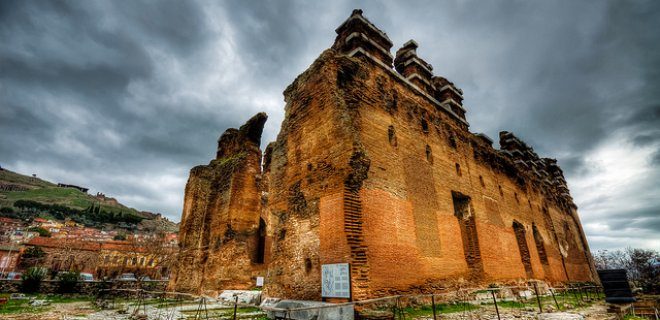
Step into the Red Courtyard, also known as Kızıl Avlu, and you are stepping into the largest archaeological site in Bergama. It isn’t just a ruin. It’s a statement. Built in the second century AD, this complex was commissioned by a Roman emperor who wanted to leave a mark that wouldn’t fade.
Why red? The name comes from the materials. The builders used red firebricks. Lots of them. These weren’t just decorative touches. The brickwork defined the structure’s visual identity. If you stand in the center, the sheer scale hits you first. Then the color. It’s imposing. Grand. Intimidating.
The logistics of building something this massive in the second century are hard to wrap your head around. Transporting stone. Shaping brick. Erecting columns. The result is a space that feels heavy with history. You can’t miss it if you’re walking the ancient streets of Pergamon. It dominates the skyline. It dominates the narrative.
Why It Matters to Your Itinerary
Most tourists rush past the Library of Pergamon. They’re drawn to the famous scroll fragments. They should stop there. But the Red Courtyard? That’s where the real weight of the Roman era settles in. It’s less about scrolls. More about power. About how an empire displayed its wealth.
When you visit, look at the texture of the bricks. Look at the arches. The structure is designed to impress. It’s not subtle. This was a place for gatherings. For ceremonies. For showing off. The red bricks have survived centuries of weathering. They still hold their hue. That’s rare.
Practical Details for Visitors
Getting there is easy. It’s within the main archaeological park. You don’t need a special ticket if you have the general entrance pass. But don’t expect a quiet stroll. It’s a large open space. The sun can be brutal in July. Bring water. Wear a hat. The shade is minimal.
The best time to see it? Late afternoon. The light hits the red bricks differently then. It turns them a deeper, richer tone. The shadows stretch. The atmosphere shifts. It’s quieter too. The crowds thin out. You can actually hear yourself think.
Is it the most photogenic spot? Maybe not. The Temple of Trajan has better symmetry. The Asklepion has better mystery. But the Red Courtyard has presence. It’s the backbone of the site. Without it, Bergama feels incomplete.
What to Look For
Don’t just look at the walls. Look at the layout. The courtyards are arranged in a way that guides movement. The brickwork varies in some sections. Some areas show later repairs. Others remain original. The contrast is subtle. But it’s there if you squint.
The site is partially excavated. You’ll see outlines of rooms that haven’t been fully uncovered. That’s part of the charm. It’s a work in progress. An ongoing story. You’re seeing a snapshot of something that’s still being revealed.
There’s no guided tour required. But if you can find one, take it. The context changes everything. Otherwise, you’re just looking at red bricks. With the context, you’re looking at an empire.
The Vertical City of Pergamon
If you’ve been following this series, you know we’ve been chasing the big names. But Pergamon, sitting in modern-day Bergama just outside Izmir, demands a different kind of attention. This wasn’t just a city. It was the capital of the Attalid Kingdom, a power player that rivaled Rome and Egypt before being swallowed by the Roman Empire’s orbit.
Today, it’s one of Izmir’s most striking ruins, but not in the way you might expect. The site doesn’t sprawl. It climbs.
Why Pergamon Stands Out
Most ancient sites feel flat. Ephesus is a grid. Aphrodisias is a plateau. Pergamon is vertical. Built on a high, steep hill above the Caicus River valley, the ancient city rises dramatically against the sky. You aren’t just walking through ruins. You’re navigating layers of history stacked on top of each other, literally and figuratively.
The Acropolis sits high up. You can see it from the town below. But getting there requires effort. That effort pays off. The views alone justify the hike.
The Library That Challenged Alexandria
Here’s where the history gets spicy. Pergamon wasn’t just a military outpost. It was a cultural heavyweight. The Attalid kings wanted to outshine their rivals, especially the Ptolemies in Egypt. So, they built a library.
The goal? To surpass the Library of Alexandria in volume.
Legend says the Ptolemies blocked the export of papyrus. That’s the story. Whether it’s true or not doesn’t matter as much as the result. Pergamon needed a new writing surface. They turned to sheepskin and calfskin. They invented parchment. The word itself comes from Pergamene pergamene. You’re reading about the birth of the modern book while standing near where it likely happened.
What to See When You’re There
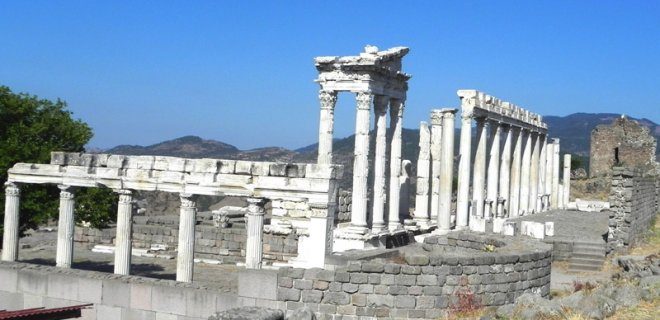
You’re not just looking at random stones. The site is organized. You climb up past the Lower City, through the Temple of Trajan, and toward the Acropolis.
The Theatre. It’s carved into the hillside. Steep. Very steep. At least 10,000 people sat here. The acoustics are still good if you’re standing on the stage. The view down into the valley is brutal in the best way. You realize why the kings chose this spot. Defense. Visibility. Ego.
The Temple of Athena. It sits at the very top. The columns are gone. Mostly. But the foundation remains. The location is everything. It’s the highest point. The wind is constant. You feel the exposure.
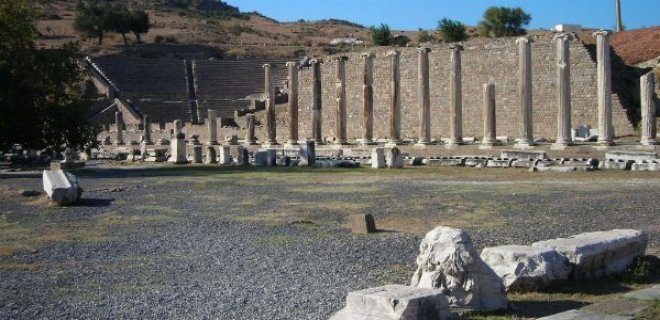
The Asklepieion. This is the healing temple. It’s lower down, near the river. You walk through the stoas, the colonnades. It was a medical center. Patients came here to be cured by sleep. Dreams were analyzed by priests. It’s an early version of holistic medicine. The ruins here are less impressive structurally but more interesting socially. You’re walking through the waiting room of the ancient world.
The Practical Stuff
Getting there from Izmir is easy. Buses run regularly. They leave from the main terminal. The ride takes about 45 minutes to an hour depending on traffic. Bergama
Why Asklepios Was the Ancient World’s Ultimate Wellness Retreat
You wouldn’t go to Asklepios for a quick fix. You went for a cure that involved mud, mystery, and a lot of waiting. Located near modern-day Selçuk, this wasn’t just a temple; it was the medical capital of the Greco-Roman world. Think of it as the ancient equivalent of a high-end spa resort mixed with a specialized psychiatric hospital and a medical school, all rolled into one massive complex.
The idea was holistic. If you were sick, the physicians here didn’t just prescribe herbs. They prescribed an environment. The treatment protocol was brutal in its intensity but precise in its logic. Patients underwent mud baths to soothe rheumatism and skin conditions. They drank specific mineral waters. They received massages and aromatherapy using local plant mixtures. It was a full-body reset designed to kickstart the immune system through sheer sensory overload.
The Role of Dreams in Ancient Medicine
What makes Asklepios different from other ruins is the psychological component. This was one of the earliest known psychiatric hospitals in history. The core treatment involved incubation —sleeping in the temple’s abaton (a sacred sleeping area) to receive healing dreams from the god Asklepios.
Physicians interpreted these dreams. If you dreamed of being burned, it meant your illness was “hot” and needed cooling treatments. If you dreamed of being cut, it signaled a need for surgery or bloodletting. It was a bizarre blend of theology and early clinical psychology. Did it work? For many, yes. The placebo effect alone, combined with rest, clean water, and massage, likely cured ailments that modern medicine would dismiss as stress-induced.
What You’ll See When You Visit Today
The site is sprawling. You won’t see standing temples like you might at Ephesus, but you will see the infrastructure of health.
- The Temple of Asklepios : The ruins of the main sanctuary where the incubation rituals took place.
- The Stoa : Long colonnades where patients would walk, exercise, and rest. The architecture was designed to encourage movement and social interaction, breaking the isolation of sickness.
- The Fountain House : Essential for the hydrotherapy treatments. Water was pumped from nearby springs and channeled through the complex.
- The Library : Evidence that this place valued knowledge as much as prayer. Physicians studied here, refining their techniques based on patient outcomes.
The scale is impressive. You can walk the pathways where thousands of sick people once traveled, hoping for a sign. The air still feels heavy with history, or maybe that’s just the humidity from the nearby Buca district.
Logistics for the Traveler
Getting there is easier than you might think. The ruins are located about 13 kilometers southeast of Selçuk, near the town of Küçuk Yayla. You can take a dolmuş (shared minibus) from Selçuk’s main bus station and ask to be dropped off at Asklepios. It’s a short ride.
Entry fees are modest, usually around 100-150 TL for foreign visitors, though prices change. Bring water. The site is exposed. There’s little shade among the ruins. The best time to visit is early morning or late afternoon
Allioanoi Antik Kenti: Termal Suların Eşliğinde Bir Zaman Yolculuğu
Bodrum’un Söğüt beldesinde, Paşa Ilıcası mevkiinde saklı bir tarih katmanı var: Allioanoi Antik Kenti. Burası sıradan bir harabe değil. Termal suların etrafında şekillenmiş bir antik yerleşim birimi. Tarihçilere göre, bu bölgenin suları Roma döneminde bile ziyaretçileri çekiyordu.
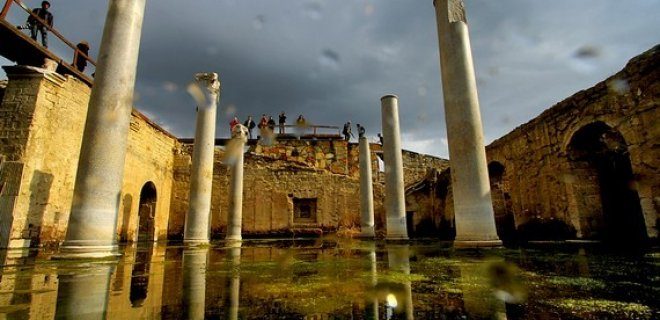
Kent, termal yapısıyla öne çıkıyor. Günümüzde hala akan sıcak sular, geçmişteki kullanım amacına dair ipuçları veriyor. Antik kent kalıntıları arasında dikkat çeken iki ana unsur var: mozaikler ve çok katlı ılıca.
Mozaikler, o dönemde buradaki yaşamın zenginliğini ve estetik anlayışını yansıtıyor. Zeminlerdeki geometrik ve bitkisel desenler, zamanın aşındırıcılığına rağmen ayakta kalmayı başarmış durumda. Bu detaylar, sadece dekoratif değil, aynı zamanda dönemin sosyal yapısı hakkında da bilgi veriyor.
Ancak kentin en çarpıcı özelliği, üç katlı ılıca binası. Bu yapı, termal turizmin nasıl organize edildiğine dair somut bir kanıt. Üç katlı düzenleme, farklı sıcaklık derecelerinde veya farklı amaçlarla kullanılan banyo alanlarına işaret ediyor. Tıbbi amaçlı kullanımı, o dönemin sağlık anlayışıyla da örtüşüyor.
Ziyaret İçin Pratik Bilgiler
Allioanoi Antik Kenti’ni ziyaret etmek, Bodrum’un diğer popüler alanlarından farklı bir deneyim sunuyor. Kalabalıktan uzak, daha huzurlu bir keşif alanı.
- Konum: Bodrum İlçesi, Söğüt Beldesi, Paşa Ilıcası mevkiinde.
- Erişim: Karayoluyla ulaşım kolay. Söğüt’teki ana caddeden dönerek ulaşılabilir.
- Giriş: Arkeolojik sit alanı olduğu için giriş ücretsizdir ancak alanın korunması için kurallara uymak gerekir.
- En İyi Zaman: İlkbahar ve sonbahar ayları. Yazın aşırı sıcaklarda termal suların buharı ve güneş kombinasyonu yorucu olabilir.
Neden Allioanoi?
Termal suların eşliğinde tarihi keşfetmek, Bodrum’da nadir bulunan bir deneyim. Kent, sadece mozaikleriyle değil, aynı zamanda suyun gücüyle şekillenmiş bir mimariye sahip. Üç katlı ılıca, o dönemin mühendislik becerisini göstermesi açısından önemli.
Ziyaretçiler için burası, sadece fotoğraf çekmek için değil, biraz da durup düşünmek için. Sessizlik, eski taşlar ve hala akan sular… Bu üçlü, antik dönemde olduğu gibi bugün de huzur veriyor.
Ne Görülmeli?
- Mozaik Kalıntıları: Özellikle zeminlerde korunmuş
Where to Stay in Izmir’s Luxury Corridor
Forget the budget hostels for a moment. If you are chasing the kind of vacation that feels less like a trip and more like an interruption of your own high-end life, Izmir’s coastline has you covered. We are talking about the stretch between Çeşme and Alaçatı, where the wind doesn’t just blow; it curates your experience.
The Alaçatı Boutique Scene
Alaçatı is the heartbeat of this luxury circuit. You won’t find generic chain hotels here. Instead, you are looking at restored Ottoman-era stone houses converted into intimate boutique stays. Think arched windows overlooking narrow cobblestone streets, private courtyards with bougainvillea, and service that anticipates your need for a cold towel before you even ask. The cost? Expect to pay a premium, but you are paying for atmosphere as much as a bed. These aren’t just places to sleep; they are architectural statements.
Çeşme’s Beachfront Grandeur
Cross the neck of land, and you hit Çeşme. Here, the luxury shifts from rustic charm to polished modernism. The beachfront hotels in Çeşme proper offer direct access to long, sandy stretches. You wake up, step out, and the Aegean is there. No gravel. No sand in your shoes. Just blue. The best properties here integrate indoor-outdoor living seamlessly. Large glass walls slide back to merge the living room with the terrace, which overlooks the bay. It’s about that visual continuity. The water clarity in Çeşme’s designated swimming zones is notoriously good, which is why these spots command top dollar.
Bergama’s Historical Retreats
For a different flavor of luxury, head north to Bergama. This isn’t about sunbathing; it’s about time travel. The hotels here are often converted from historical structures or built with materials that mimic the ancient stone of the Asklepeion. It’s quieter. More introspective. You aren’t booking a room; you’re booking a mood. The air smells different here—drier, earthier. It’s for the traveler who finds beauty in ruin and history more compelling than a infinity pool.
The Food You Can’t Miss
You haven’t been to Izmir if you haven’t eaten like a local. And by local, I mean someone who knows exactly which stall has the freshest fish and which grandmother makes the best börek.
The Midday Ritual: Balık Ekmek
Skip the tourist traps near the main port. Walk a few blocks inland to the smaller fish markets. You want balık ekmek —fish sandwich. But not just any fish. A whole grilled sea bass or sea bream, stuffed into crusty bread with onions, lettuce, and a squeeze of lemon. It’s messy. It’s perfect. It costs a fraction of what you’d pay in a restaurant. Do it at noon. The sun is high, the fish is straight off the boat, and you’re standing on the pavement eating with your hands. That’s the authentic Izmir experience.
Menemen: The Breakfast That Defines the City
If you’re staying for breakfast, order menemen. It’s a scramble of eggs, tomatoes, green peppers, and spices. Some places add sausage or cheese.