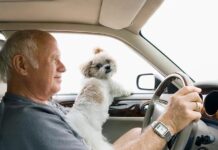
Let’s be honest. Your dog has it good. No 8 a.m. alarm. No traffic jams. Just endless naps on the couch and the occasional joy of chasing a ball. But if there is one thing that truly sets a dog’s soul on fire, it is the automobile.
Unless you are headed to the vet, a car ride is peak existence for a canine. They lack opposable thumbs, sure, so they can’t drive, but they can certainly summon you. You grab your keys. The tail starts wagging. The head tilts up. You give in. Pat thigh. Kissy noises. Off you go.
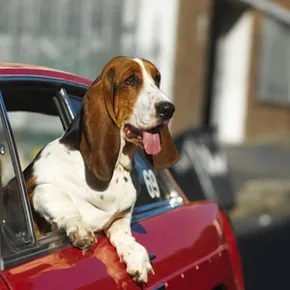
You roll down the windows. Or lower the convertible top. The wind rushes in. Your dog leans out, ears flapping, jowls loose, drool painting the windshield of the sedan behind you. It looks like pure bliss. It looks like freedom.
It is also a liability. And a health hazard.
Why Pet Head Out the Window Is a Harmful Habit
You might think you are giving your dog the ultimate sensory experience. In reality, you are exposing them to significant risks. The debris flying past at 60 miles per hour is not a novelty; it is a projectile.
Consider the mechanics of it. When a dog sticks its head out, it is taking a direct hit from the air rushing past the vehicle. This isn’t just wind; it’s a high-velocity stream of dust, pollen, bug fragments, and microscopic road grit. These particles don’t just sit there. They embed.
The Specific Risks to Canine Health
The danger isn’t limited to just the eyes. While eye injuries are the most obvious concern, the respiratory system is equally vulnerable.
- Eye Injuries: A flying rock or bug can cause corneal abrasions. In severe cases, it can lead to permanent vision loss. Dogs are prone to rubbing their eyes if something feels wrong, which can make a minor scratch a major infection.
- Respiratory Irritation: Inhaling road dust and exhaust fumes directly into the lungs can trigger asthma-like symptoms or long-term respiratory issues. Dogs breathe faster than humans, meaning they are taking in more of these irritants per minute.
- Deafness: The sudden rush of noise and air pressure can be startling and potentially damaging to sensitive ears, especially in breeds with long, floppy ears that can trap debris.
How to Keep Your Dog Safe in the Car
You don’t need to banish your dog from the car. You just need to change the logistics.
- Use a Crate or Carrier: This is the gold standard. A secured crate prevents movement and protects your dog in the event of a sudden stop.
- Dog Seatbelts: These harnesses clip into the car’s existing seatbelt mechanism, keeping your dog contained but allowing them some comfort.
- Window Restrictions: Keep windows rolled up enough that your dog cannot stick their head out, but open them slightly for ventilation if the weather permits. Many cars have a “crack” setting that allows airflow without creating a dangerous wind tunnel.
The Trade-Off: Comfort vs. Safety
Is it worth the risk for a few minutes of flapping ears? Probably
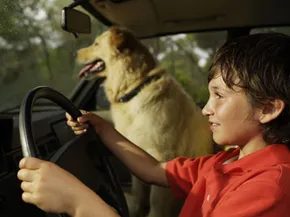
Why Your Dog’s Head Out the Window Is a Dangerous Habit
It looks cute. The wind whipping through the fur. The eyes squinting against the rush. It’s a classic cinematic trope. But let’s be clear: it’s harmful.
Before windshields became standard in the 1920s, drivers wore goggles. Cars like the 1920 Ford Model T moved at a leisurely 45 mph (72 kph). The air was thin. The debris was sparse. Today, we cruise at 55 mph (89 kph) or faster. The protection a windshield offers is the difference between a clean face and a facial injury. When you let your dog hang its head out, you are removing that protection entirely.
The risks are immediate and physical. Dust, dirt, and rocks kicked up by your tires or other vehicles don’t just hit the fur. They hit the eye. Scratches. Punctures. Even if you’ve invested in dog goggles—expensive, hard to fit, and annoying to keep on—the rest of the anatomy remains vulnerable.
Consider the ears. Specifically, the pinnae, or soft ear flaps. At highway speeds, these flaps flap rapidly against the skull. It’s not a gentle breeze. It’s trauma. Blood pools in the tissue. The ears swell. They become tender. Do this repeatedly, and the soft tissue scars. You are looking at lifelong pain for your pet.
Then there is the fall.
Dogs are fluid. They slip through tight spaces. A head out the window creates a leverage point that can easily lead to a spill over bumps or jarring obstructions. One moment your dog is enjoying the view. The next, it’s falling. Broken bones. Internal injuries. Or worse, becoming a projectile for other drivers who can’t brake in time.
This danger scales up exponentially if you let your dog ride in the bed of a pickup truck. The risks are identical to hanging a head out a car window, but magnified. No windshield. No frame. Just wind and debris. On a hot day, the metal bed itself becomes an oven, burning the soft tissue on paw pads. It is a bad idea. Period.
The Safe Alternative for Traveling with Pets
So, where does your dog actually ride?
Inside the cabin. Secured.
You don’t need to overcomplicate it. A crate works. A special car seat that restrains your dog like a small child works. The goal is simple: keep your pet safe so you both arrive happy.
It’s a bad idea to allow your dog to ride in the bed of a pickup truck.
The history of automotive safety shows us that protection matters. Glass shields us. Restraints keep us in our seats. Your dog deserves the same basic consideration.
If you are planning a trip, check the logistics. Buy the crate. Fit the harness. Secure the dog. It takes five minutes. It prevents a lifetime of ear problems or worse.
There are more resources out there if you want to dig deeper. How pet microchipping works. How to ship pets across borders. Do pets suffer jet lag? These are valid questions. But the answer to “how should my dog ride?” is straightforward. Keep them inside. Keep them secured. Keep them safe.
The view is nice. The risk isn’t worth it.