Cameroon sits right in the middle of Central Africa. It is the only country in the region with a coastline on the Atlantic Ocean. Its borders touch the Central African Republic, Chad, the Republic of the Congo, Equatorial Guinea, Gabon, and Nigeria. The population is close to 25 million. The total land area is exactly 475,442 square kilometers.
Yaounde is the capital. About one-tenth of the entire population lives there. The country is famous for its natural wonders. It has many national parks on the UNESCO World Heritage List. Several more are pending nomination. We researched the top tourist spots for your trip.
Why Mount Cameroon is a Must-See
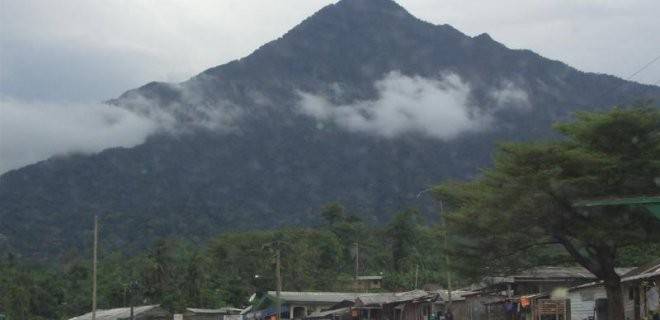
Most travelers come for the mountain. Literally. The peak itself is the highest point in all of Africa south of the Sahara. It is an active volcano. That means the landscape changes constantly. Lava fields, craters, and dense forests make the hike visually stunning.
You are not just seeing a view. You are climbing history. The last major eruption was in 2000. But fumaroles still hiss steam from the ground. The air smells like sulfur near the summit. It is raw. It is real.
How to Plan Your Ascent
You need to start in the town of Kribi or Limbe. Limbe is easier. It is on the coast. You can catch a bus north from Douala. From Limbe, it is a short drive to the base of the mountain.
Guides are mandatory. You cannot climb alone. Local guides know the trails. They know where the paths are washed out. They also handle permits. Expect to pay for a guide and porters. Costs vary. But hiring locals supports the community directly.
The trek takes two to three days. Start early. The weather shifts fast. Clouds roll in by afternoon. If you get caught in rain without gear, it is dangerous. The slopes are steep. The ground is loose volcanic rock. Watch your step.
What to Pack and Expect
Bring good boots. Broken ankles ruin trips. Rain gear is non-negotiable. Even in the dry season, mornings are wet. Condensation forms on the trees at high altitude. You will get damp.
Food? Bring high-energy snacks. Nuts, dried fruit, chocolate. The guides often provide basic meals like fufu and plantains. It is filling. But you need extra calories for the climb.
Water purification tablets. The streams look clear. They are not always safe. Boil your water if you can. Or filter it.
Best Time to Go
The dry season is November to February. The skies are clearer. The trails are less muddy. July to September is rainy. You might see lush greenery. But visibility drops. Paths become slippery.
Spring? That is shoulder season. You might find better deals on lodges. Less crowded trails. But pack for both sun and rain. The mountain does not care about your calendar.
Beyond the Summit
You do not have to reach the very top. The views from lower camps are already incredible. You see the ocean on one side. The forest on the other. The contrast is striking.
Many hikers stop at the second camp. It is easier. Less
Kamerun’un Gine Körfezi kıyılarından sonra yükselen devasa gölgesi, Kamerun Dağı (Mount Cameroon) adını alıyor. Tam 4.040 metre yüksekliğindeki bu aktif yanardağ, yerel halk tarafından daha çok Mongo ma Ndemi (Büyüklük Dağı) olarak anılır. Son patlaması 3 Şubat 2012’de gerçekleşen dağ, Afrika’nın en yüksek dördüncü zirvesi ve dünyada 31. sırada yer alıyor.
Kamerun Dağı’na İlk Tırmanış ve Turistik Çekicilik
Bu volkanik dev, dünyanın en büyük volkanik dağlarından biri olarak kabul ediliyor ve Kamerun’un en popüler turistik noktalarından biri haline gelmiş. İlk resmi tırmanış 1840 yılında Joseph Merrick tarafından gerçekleştirilmiş. Bugün ise hem doğa tutkunları hem de macera arayışındaki gezginler için ana hedeflerden biri.
Dja Ulusal Parkı’nda Vahşi Doğa ve Sürprizler
Kamerun’a gelen turistler için bir başka must-see nokta ise Dja Ulusal Parkı (Dja Fauna Rezervi). UNESCO Dünya Mirası Listesi’nde yer alan bu koruma alanı, Orta Afrika’nın en iyi korunmuş tropikal yağmur ormanlarından biri olarak dikkat çekiyor.
Burada yalnızca manzara izlenmiyor; aynı zamanda:
- Zürafa ve goril gibi nadir hayvan türleri gözlemlenebiliyor.
- Eşsiz bitki örtüsü, binlerce kelebek ve kuş türüne ev sahipliği yapıyor.
- Yerel halkın geleneksel yaşam tarzını ve kültürünü de keşfetmek mümkün.
Dja’ya ulaşım, Yaoundé’den başlayan 4×4 turlarla gerçekleştiriliyor. Parka giriş için özel izinler gerekli. Bu izinler, park ofislerinden veya yetkili acentelerden temin edilebiliyor. Ziyaret planlarken nemli hava koşullarını ve yoğun yağışları göz önünde bulundurmak önemli.
Pratik Bilgiler ve Gönül Verilecek Noktalar
- Kamerun Dağı’na tırmanış için en iyi sezon Mayıs-Aralık arası.
- Dja Ulusal Parkı ziyaretleri genellikle 3-5 gün sürüyor.
- Yerel rehberler ile gezmek, hem güvenlik hem de keşif açısından büyük avantaj sağlıyor.
- Park içinde kalacak yerler sınırlı; kamp yapmak en yaygın seçenek.
Korup sits in Cameroon’s southwest, and its borders are drawn by the Dja River nearby. The park got its status in 1987. It is one of the few protected areas in the country that draws international travelers. The name comes from the local language, but the meaning is tied to the landscape itself.
Why Korup Matters for Biodiversity
The area hosts over 1500 plant species. You will find rare orchids and ancient trees here. The animal count is just as impressive. There are 107 mammal species. Elephants roam the deep forest. Gorillas and chimpanzees live in the canopy. Over 320 bird species call this place home.
Because these species are at risk, the park is strictly protected. This conservation effort led to UNESCO World Heritage status. It is not just a scenic spot. It is a critical refuge for endangered wildlife. The 5,260 square kilometer area is Cameroon’s oldest national park. It remains one of the most visited natural destinations in the country.
How to Plan Your Visit
Traveling here requires preparation. The park is remote. Roads can be rough during the rainy season. The best time to visit is during the dry months. You will need a guide. They know the trails and can spot wildlife you might miss. Permits are required. Book them in advance through official tourism channels.
Accommodation ranges from basic camps to eco-lodges. Costs vary. Expect to pay for transport, guides, and entry fees. Budget accordingly. The experience is immersive. You will hear the forest breathe. You might see a troop of monkeys cross your path. It is quiet. Intense. Real.
What to See and Do
Hiking is the main activity. Trails range from easy walks to multi-day treks. You can spot forest elephants on the longer routes. Birdwatchers should bring high-powered scopes. The canopy is thick. Light is scarce. The air is humid.
Visitors often ask about safety. The park is secure with ranger patrols. Stick to marked trails. Do not feed animals. Leave no trace. The ecosystem is fragile. Your presence should be minimal.
Korup is not a place for shortcuts. It demands patience. But the reward is a window into a world that has changed little over centuries. The jungle does not rush. Neither should you.
Added to the country’s network of national parks in 1986, this vast expanse covers 1,260 square kilometers of untouched wilderness. It is not just another stop on the tourist trail. Korup National Park stands out because it holds one of Africa’s oldest and most biodiverse rainforests. The air here is thick with history and life.
You come for the canopy. But you stay for what hides in it. The park is famous for its sheer volume of bird, reptile, frog, and butterfly species. If you are tracking rare wildlife, this is where you look. The infrastructure is surprisingly robust for such a remote location. Roads and access points are well-maintained, making navigation easier than you might expect.
But don’t just walk the ground. Look up. The most effective way to experience this place is via the suspension bridges. They cut through the dense foliage, offering a vantage point that changes how you see the forest. Suddenly, the trees are not just obstacles. They are a layered ecosystem.
Waza National Park
The journey continues north to Waza.
Waza Ulusal Parkı’nın hikayesi, 1934 yılında bir av rezervi olarak kurulmasıyla başlıyor. Bugün 1.700 kilometrekarelik devasa bir alana yayılıyor. Savanaların baskın olduğu bu topraklar, aslan, fil, sırtlan, çita, ceylan ve zürafalar gibi büyük memelilere ev sahipliği yapıyor. Kuş gözlemcileri için de cennet. Balıkçıl, pelikan ve kaz türleri bolca görülüyor.
Parkın statüsü zamanla yükseldi. 1968’de milli park ilan edildi. 1979’da UNESCO tarafından biyosfer rezervi olarak onaylandı. Bugün Kamerun’un en önemli turistik noktalarından biri. Her yıl yüz binlerce safari meraklısını ağırlıyor.
Musee Maritime de Douala (Douala Denizcilik Müzesi)
Kamerun’un ticai başkenti Douala’nın kalbinde, 1986 yılında kapılarını açan bir ilke imza atıldı. Ülkenin ilk denizcilik müzesi olarak hizmete giren bu kurum, sadece bir geçmişi saklayan bir depo değil, ülkenin denizcilik tarihine dair canlı bir arşiv. 600 metrekarelik, üç katlı modern binada konumlanan müze, gemi tutkunları için Douala’daki kaçınılmaz duraklardan biri haline gelmiş durumda.
Burada duvarlar, tarih kokuyor. Ziyaretçileri, çeşitli dönemlerden gemi maketleri ve denizcilik aksesuarları karşılıyor. Sadece statik objelerden ibaret değil bu koleksiyon. Müze, ticari gemilerin evrim sürecini, denizcilik teknolojilerindeki değişimi ve Kamerun’un denizle kurduğu ilişkiyi detaylandırıyor. Bir zamanlar sadece ticaret için kullanılan limanların, bugün nasıl kültürel miras merkezlerine dönüştüğünü görmek, tatil programınıza değer katar.
Denizcilik Müzesi’nde Neler Var?
Müzenin içeriği, sadece hobi olarak gemi yapanların ilgisini çekmez. Tarihi merak edenler için somut kanıtlar sunur. 1986’dan bu yana işlevini sürdüren bina, modern mimarisiyle de dikkat çeker. Üç katlı yapının her seviyesi, farklı bir hikaye anlatır.
- Gemi Maketleri: Dönem dönem üretilmiş, işçiliği özenle yapılmış modeller.
- Aksesuarlar: Eski denizcilik araçları, navigasyon cihazları ve günlük kullanım eşyaları.
- Tarihi Belgeler: Kamerun’un liman ticaretindeki rolüne ışık tutan arşivler.
Ziyaret süresi ne kadar sürmeli? Detaylıca gezmek isterseniz, en az iki saatinizi ayırmanız gerekir. Müze, Douala’daki diğer tarihi mekanlarla kıyaslandığında daha az kalabalık ve daha odaklanmış bir deneyim sunar. Bu, özellikle fotoğrafcılık meraklıları için bir avantaj. Her köşede farklı bir kompozisyon, her rafta farklı bir epok.
Limbe Botanik Bahçesi’ne Geçiş
Müzeden ayrıldıktan sonra, Douala’dan kısa bir yolculukla Limbe’ye geçmek mantıklı. Limbe Botanik Bahçesi, Kamerun’un en eski ve en önemli bitki koleksiyonlarından birine ev sahipliği yapar. Burada tropikal bitki çeşitliliği, sadece estetik bir değer taşımaz. Ekolojik araştırmalar ve eğitim amaçlı da kullanılır.
Bahçe, 19. yüzyıldan beri varlığını sürdürüyor. İlk kez Fransa tarafından kurulması, tarihsel bağlarını ortaya
If you are looking for the quiet side of Cameroon’s southwest, you start in Limbe. The Limbe Botanical Garden isn’t just a pretty patch of green; it’s a historical relic with serious botanical weight. Established in 1892 under the supervision of German botanist Paul Preus, this place has been cultivating exotic species for over a century. We’re talking about the heavy hitters of the tropics: coffee, cocoa, rubber, palm oil, and bananas. It’s one of the most valuable tropical botanical gardens in the world, covering a massive 48 hectares.
Why go there? Because Limbe city can be loud. The garden offers a deliberate escape from that noise. It’s quiet. It’s peaceful. For a traveler, that’s a rare commodity. You can wander through the grounds, breathe in air that feels different—cleaner, heavier with humidity and chlorophyll—and actually relax. The site serves three masters: education, science, and tourism. You’ll see researchers at work, students taking notes, and tourists trying to spot rare ferns. It’s a functional space, not just a postcard backdrop.
Exploring the 48-Hectare Limbe Botanical Garden
The scale of the garden is what hits you first. 48 hectares is a lot of walking. You need comfortable shoes. The collection is curated to introduce visitors to plants that define the tropical economy but often feel distant to those who only consume the end product. Seeing the coffee plant in its natural habitat changes how you view your morning cup. Seeing the rubber tree explains the origin of an industry.
The location is strategic. It sits near the coast, benefiting from the specific microclimate that allows these species to thrive. If you’re planning a trip, budget half a day here. Don’t rush. The value is in the slowness. You’re not just checking a box; you’re observing an ecosystem that has been maintained for 130 years.
The Hike to Ekom-Nkam Waterfalls
Leaving the structured order of the botanical garden, the next stop demands a bit more effort. The Ekom-Nkam Waterfalls are located in the humid forests of the Southwest Region. This isn’t a drive-up-and-look spot. You have to earn the view.
Reaching the falls involves a hike through dense vegetation. The path can be muddy, especially if you’re visiting during the rainy season. But the payoff is significant. Ekom-Nkam is one of the highest waterfalls in Cameroon. The water plunges from a great height, creating a mist that coats everything nearby. The sound is constant—a roar that drowns out the jungle birds.
Logistics matter here. You’ll need a 4×4 vehicle to get close to the trailhead, as the roads in the region are often rough. From there, it’s a trek. Bring water. Bring insect repellent. The forest is alive with insects. The hike takes varying amounts of time depending on your fitness and the trail conditions, but plan for at least two hours round-trip for the walk itself, plus time at the site.
Practical Tips for Your Southwest Trip
When combining these two stops, timing is everything. The Limbe Botanical Garden is best
Batı Kamerun’un kalbinde, Haut Nkam bölgesi ve Dschang ilçesinin güneyinde, Nkam Nehri’nin yatağında kendine yer bulmuş bir doğa harikası var. Nkam Nehri Şelalesi. 80 metrelik dikkat çekici yüksekliğinden düşen sular, etrafı saran yoğun ve büyüleyici bitki örtüsüyle birlikte adeta bir peri maserini andırıyor. Yıl boyu, hem yerel halktan hem de dünyadan yüz binlerce ziyaretçiyi buraya çeken bu mekan, sadece görsel bir şölen sunmuyor. Geleneksel Kamerun tatilleri planlarken durulması gereken duraklardan biri olan şelale, suyun gürültüsü ve manzarasıyla sizi anında büyülüyor.
Şelalenin çekiciliği sadece estetik değil, aynı zamanda ekonomik önemi de var. Bu bölge, Kamerun’da yayın balığı avcılığının ve üretiminin en yoğun olduğu nehir sistemlerinden birini barındırıyor. Yani hem doğa yürüyüşü yapabilir hem de yerel su ürünleri kültürünü yakından inceleyebilirsiniz.
Etnografik Mirası Keşfetmek: Yaounde’de Blackitude Müzesi
Doğa turizmi bittikten sonra kültürel derinlik arıyorsanız, başkent Yaounde’deki Blackitude Müzesi size doğru bir yol gösterir. 2000 yılında kapılarını açan bu etnografya müzesi, Kamerun’un sanat ve tarih mirasından kaybolma tehlikesiyle karşılaşan parçaları kurtarmak için kurulmuş bir sığınak.
Müzenin koleksiyonu, 1982 yılında alınan kraliyet hazinelerinin yanı sıra, satın alma ve bağış yoluyla elde edilen eserlerle zenginleştirilmiş. Toplam 2.070 öğeden oluşan bu arşiv, Kamerun’un hem maddi hem de manevi değerlerini yansıtıyor. Etnografik eserlerden sanatsal yapılara kadar uzanan bu koleksiyon, ülkenin kimliğini anlamak isteyenler için vazgeçilmez bir kaynak.
Burada sadece nesneleri görmek değil, Kamerun’un tarihsel dokusunu hissetmek mümkün. Müze, ülkenin kültürel kimliğini koruma konusunda attığı önemli bir adım ve ziyaretçilere bu mirasın ne kadar değerli olduğunu hatırlatıyor. Eğer Yaounde’yi planlıyorsanız, bu müzede geçireceğiniz zaman, ülkenin ruhunu anlamak için harcadığınız tüm zamanın değerini artıracaktır.