Stop judging a hotel by its lobby. The real test happens when you lock the bathroom door.
Most travelers scroll past the amenities list and focus on the bed. They look for good Wi-Fi. Maybe a decent coffee machine. But the bathroom tells the truth about luxury. It reveals the brand’s soul. A simple tub is fine. A fancy sink is nice. But some bathrooms aren’t just functional. They are experiences. They are destinations themselves.
We need to raise the bar. Let’s look at four corners of the globe where bathrooms defy logic. We start in England.
The Malmaison Hotel’s Disco-Fueled Bathroom in the UK
Imagine stepping into a bathroom that doesn’t just clean you. It throws a party.
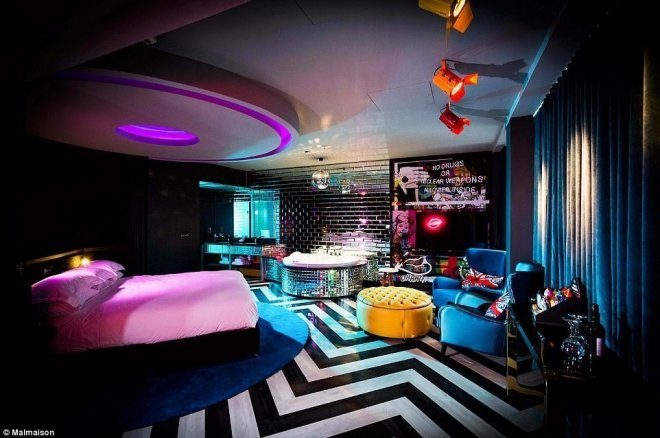
The Malmaison Hotel in England doesn’t do subtle. They do loud. They do retro. They do rock and roll. Their design philosophy borrows heavily from the 1970s. Think velvet curtains. Think neon signs. Think disco balls.
If you book the Nirvana Suite, you aren’t just getting a room. You are getting a time machine.
The bathroom here is the centerpiece. It features a jacuzzi that is more than just a tub. It is an installation. The walls are covered in mirror tiles. This isn’t just for checking your teeth. It multiplies the space. It multiplies the light. It multiplies the ego.
But it’s the lighting that sells it. The fixtures don’t just illuminate. They pulse. They glow. They cast a disco-style atmosphere over your soak. You aren’t washing off the day. You are performing on a stage.
Is this practical? No. It’s excessive. It’s theatrical. It’s exactly why you should book it.
Most hotels treat bathrooms as afterthoughts. Hidden utility spaces. Malmaison treats them as the main event. When you sit in that mirrored tub, under those lights, you aren’t a guest. You’re the star.
Why settle for a white box when you can have a private studio in Leeds or London? The price tag is higher. The photos you’ll post online will be better. The memory will stick.
Travel isn’t just about where you sleep. It’s about how you wake up. And sometimes, it’s about how you wash up.
The Malmaison knows this. And so should you.
Rock house stays in Arkansas: Beck Creek experience
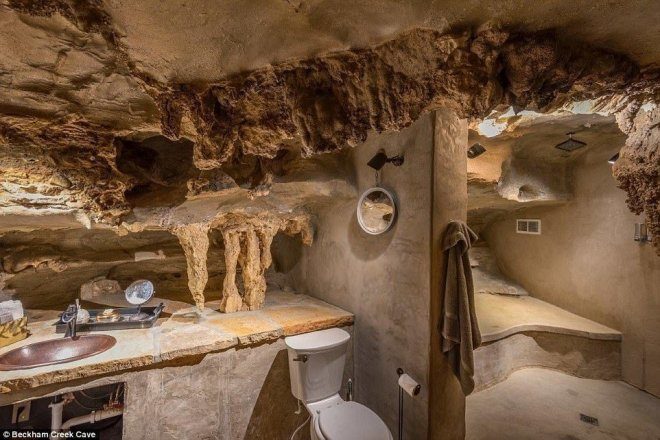
You want something off the beaten path? Try Beck Creek Cave Hotel in Arkansas. It’s not a typical hotel. The rooms are carved into the rock.
This place sits on 260 acres. That’s big. Most people expect standard motels. Here, you get stone walls. Real stone.
Think about it. You shower. The water runs down. You look out. You see the valley. That’s the view. Not another parking lot. A real valley.
Some travelers hate the noise of cities. This spot is quiet. The stone absorbs sound. It feels ancient.
You can yell if you want. “Yaba daba doo!” echoes off the walls. No one judges you. It’s your space.
Why stay in a cave hotel?
It’s not just a gimmick. The rock keeps things cool. In summer, it’s a relief. In winter, it holds heat. Nature does the work.
The location matters. It’s in Arkansas. Not a tourist trap. You drive there. You park. You walk in.
The rooms are modern inside. Wi-Fi works. The bed is comfortable. But the walls? Stone. You sleep in the mountain.
What’s actually worth seeing?
Don’t just stay in the room. Go outside. The land is huge. 260 acres of trails. You can hike. You can just sit.
The valley view is the main draw. Watch the light change. Morning fog. Evening gold. It’s not curated. It’s just there.
How to book and get there
You need to plan ahead. These rooms aren’t always open. Check availability early.
The address is in Arkansas. Use a GPS. The roads can be tricky. Take it slow.
Costs vary. But you’re paying for privacy. And for the rock. Think of it as buying a piece of the earth. For a night.
Who doesn’t want to watch the sky from a stone ceiling? It’s rare. Don’t miss it.
The Celebrity Reflection Yacht: Where the Bathroom Looks Like Paradise
Forget standard hotel suites. We are talking about the Celebrity Reflection, specifically its most surreal feature: the infinity pool deck and the surrounding suites designed to blur the line between ship and sea.
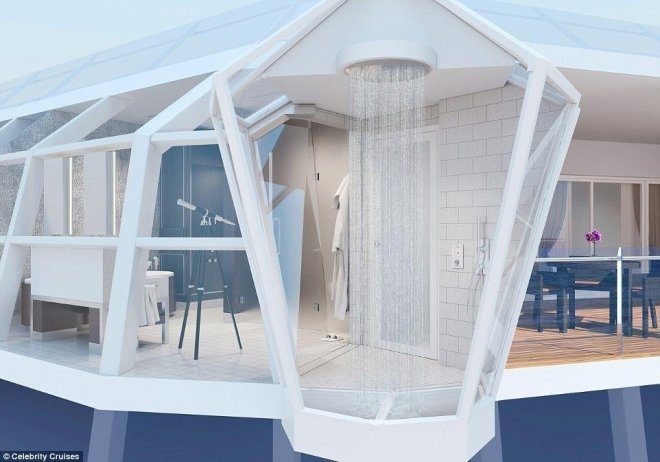
The headline attraction here isn’t just a view; it’s a design choice that feels almost reckless in its openness. You have floor-to-ceiling glass panels framing a bath that sits directly above the waterline. This isn’t a subtle hint at the ocean. It is a direct, unfiltered stare-down with the Atlantic or Caribbean, depending on your itinerary.
Imagine stepping into a shower. The walls aren’t tile. They are transparent. Below your feet, through the reinforced glass, you can see the ship’s hull cutting through the blue. You aren’t just looking at the sea; you are suspended in it. The sensation? It’s disorienting in the best way possible. You feel less like a passenger and more like you’re drifting on the edge of the world.
Is it worth the splurge?
If you are booking a suite upgrade, the cost adds up quickly. We are talking about premium categories. But for one night? Or a honeymoon week? It changes the entire vibe of the cruise. Most people sleep with their curtains drawn on a ship. Here, you open them and the horizon is your wallpaper.
Practical tips for this experience:
- Timing is everything. Book a morning slot for the sunrise. The light hits the water differently, turning the “glass floor” effect from a scary abyss into a shimmering window.
- Privacy concerns? The glass is treated. You are visible from the outside if someone is looking directly at eye level, but the angle usually prevents anyone from seeing in unless they are standing right on the deck edge. Still, if you are shy, keep the sheer curtains closed. They are there for a reason.
- Motion sickness? If you are prone to vertigo, this might not be for you. Seeing the water move 20 feet below you while you stand still can trigger a strange disconnect. Test the waters (literally) first.
This isn’t just a bathroom. It’s a psychological shift. You stop thinking about the engine, the noise, the crowds. You just see the endless blue.
“You don’t just watch the ocean from a Celebrity Reflection suite. You stand inside it.”
Next up, we need to talk about the food. Because if you’re going to float above the sea in a glass box, you might as well eat like you belong there.
Sleep Inside the Lagoon
There is a specific kind of vertigo that hits you when you realize the wall to your left isn’t drywall. It’s glass. And beyond it, thousands of tons of water, holding its breath.
The Palm Resort Atlantis in Dubai doesn’t just offer a view. It demands you live inside the exhibit. Most hotels in the city are about skyline views. This one is about the ocean.
The Underwater Experience
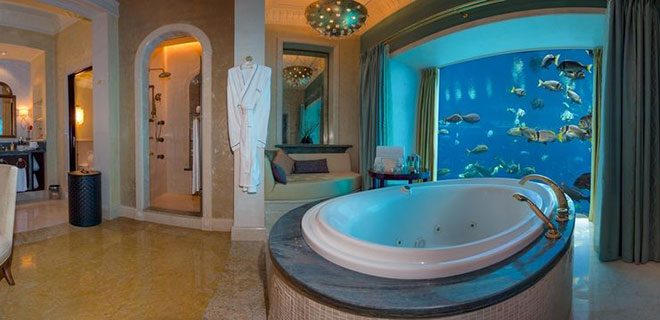
Two suites sit below the waterline. They aren’t just rooms with a window. They are fully enclosed glass pods. The bedroom. The bathroom. All of it. You wake up looking directly into the Ambassador Lagoon.
The lagoon holds 65,000 marine animals. Sharks. Rays. Colorful reef fish. They don’t care about your reservation. They swim through your field of vision. It is disorienting in the best possible way.
“You don’t watch the aquarium. You live in it.”
Why It Matters for Travelers
Paying for this isn’t just about luxury. It’s about logistics. You skip the lines. You skip the noise. The main lagoon is crowded. These suites are quiet. The glass panels create a sense of isolation even though you are in the middle of a massive tank.
Timing is everything. Book the underwater suites for the first few days. The novelty fades fast. Once the fish become background noise, move to a standard room. Or stay put. Some people don’t leave.
What’s Worth Seeing
Forget the lobby. It’s grand, but it’s just a lobby. Go straight to the lagoon edge. Watch the mantas glide over the glass. They are massive. Silent. Elegant.
The marine life changes with the season. Spring brings more activity. Winter brings calmer waters. Check the feeding schedules. If you miss them, you miss the drama.
Is It Worth the Cost?
Yes. But only if you value immersion over square footage. The rooms are smaller than a standard suite elsewhere. The view is everything. If you want space, go elsewhere. If you want to feel like a diver without the gear, this is it.
Dubai is full of excess. This is the pinnacle of it. A hotel that treats the ocean as a neighbor.
Where to Stay in Florence for a True Renaissance Experience
You want to stay in Florence. Not just anywhere. You want the real deal. The kind that feels like stepping into a painting.
The Firenze Hotel Floransa: Inside Look
Let’s talk about the Firenze Hotel Floransa. It’s not just another place to crash. It’s a statement.
Authentic Frescoes and Ornate Ceilings
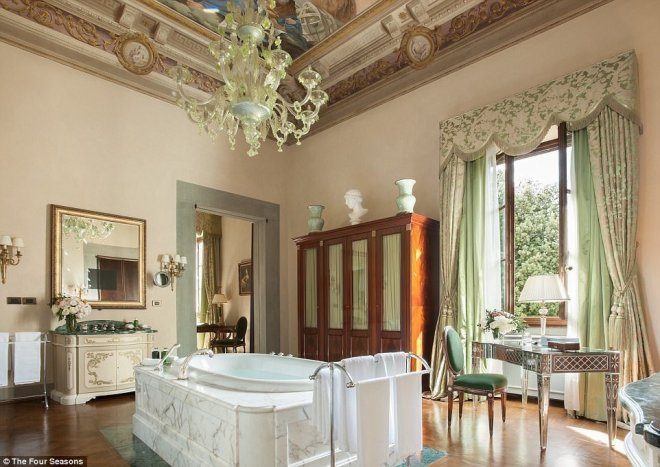
First impressions matter. The bathrooms here? They don’t skimp. Think embellished ceilings. Think authentic frescoes covering every available wall space. It’s not a replica. It’s the real thing. Or as close to it as you’ll get without buying a palazzo.
Luxury Meets Function
But it’s not all art. You still need a shower. And a bath.
- Glass shower cabin for the quick rinse.
- Marble-clad bathtub for the long soak.
This is where you decompress after a day of walking on cobblestones. The marble is cool to the touch. The water is hot. It’s a simple pleasure, but done right.
The View: Park and Garden
Most hotel views in tourist traps are other hotels. Here, it’s different. You get a view of the park and the hotel garden. Green space. Quiet. A stark contrast to the bustling Piazza della Signoria just blocks away.
Living Like a Florentine Noble
The whole point of staying here is to feel like a Florentine noble. Yes, it’s cheesy until you try it. Then it’s just fact. The service, the decor, the attention to detail—it wraps around you.
Why does this matter? Because Florence is a city of history. Staying in a place that respects that history changes how you experience the city. You’re not just looking at art. You’re living in it.
Practical Details for Your Trip
- Location: Florence, Italy. Central enough to walk everywhere.
- Vibe: Opulent. Historical. Intimate.
- Best For: Travelers who want luxury with historical authenticity.
- Must-See Feature: The frescoed bathrooms. Seriously. Take a picture.
Why This Stands Out
There are hundreds of hotels in Florence. Why this one?
Most place art on the walls. This place is the art. The frescoes aren’t hung. They’re part of the structure. The marble isn’t a countertop. It’s the tub. It’s immersive.
If you’re planning a trip to Tuscany, don’t just book the cheapest option near the Duomo. Book the experience. Book the history. Book the Firenze Hotel Floransa.
Because when you leave, you won’t just remember the sights. You’ll remember how it felt to live like a Medici for a night. And that’s worth every penny.
Zetter Townhouse- Marylebone, Londra
Londra’nın kalbi sayılan Marylebone’da, Zetter Townhouse sadece konaklamak için değil, aynı zamanda bir deneyim yaşamak için tasarlanmış bir adres.
Antik Mobilya ve Mermer Detaylar
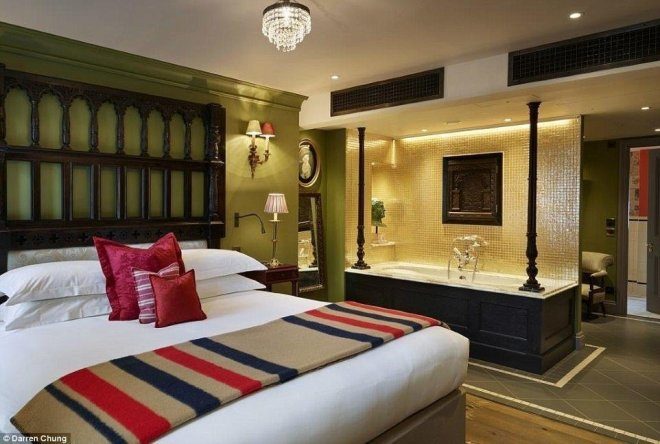
Otelin en dikkat çekici yönü, banyo küvetlerinin antika mobilya parçaları ve mermerle oluşturulan benzersiz kombinasyonları. Her biri farklı bir hikaye anlatan bu detaylar, standart otel banyolarından sıkılanlar için ideal.
24 Farklı Odada 24 Farklı Tasarım
24 odası olan bu butik otelde her biri birbirinden bağımsız tasarımlarla dikkat çekiyor. Odaların her biri farklı bir ambiyansa sahip olup, konuklara kişisel bir tarz deneyimi sunuyor.
Neden Zetter Townhouse’u Tercih Etmelisiniz?
- Benzersiz Tasarım : Her odada farklı bir tema ve tasarım stili
- Lüks Detaylar : Antika mobilya ve mermer banyo kombinasyonları
- Konum : Marylebone’un merkezinde, keşfedilmemiş sokakların tam ortasında
- Özel Deneyim : Standart otel konforundan farklı, kişiselleştirilmiş bir konaklama
The Aman Tokyo: A Penthouse with a View Worth Paying For
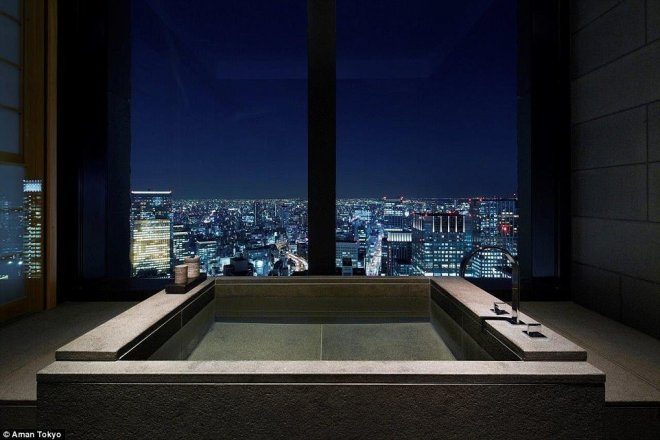
If you think a hotel room is just a place to sleep, the Aman Tokyo proves you are looking at it wrong. This isn’t a suite. It is a lifestyle. Spanning 1,516 square meters, this monolithic slab of luxury sits high above the city. It includes a living room, a full kitchen, and a pantry. But the real draw is the bathroom.
You can soak in the tub while staring directly at the Imperial Palace Gardens. And if you look up, you see the Otemachi Tower. It is a surreal contrast. Ancient gardens. Modern steel. All framed by your own private hot spring.
“A 1,516-square-meter residence designed purely for enjoyment.”
The cost? High. But for what you get, it feels less like a hotel stay and more like renting a slice of the sky. The layout forces you to slow down. You cannot rush a view like that.
Logistics matter here. Booking this requires planning months ahead. Peak seasons fill up fast. But the timing is worth it. Watching the sunrise over the Imperial moats from a heated tub? There is no better way to start the day in Japan.
Why This Isn’t Just a Big Room
Most luxury hotels offer space. They do not offer perspective. The Aman Tokyo’s penthouse levels provide a vantage point that standard rooms simply cannot match. You are looking down on the city’s pulse. Up at its towers. And across at its history.
The kitchen is equipped for those who want to cook. Or for those who want chefs to cook for them. The pantry is stocked with high-end ingredients. It is a full residence disguised as a hotel suite.
How to Experience It
- Book Early. These suites disappear fast. Especially during cherry blossom season.
- Choose the Right Time. Go in winter for crisp, clear views. The air is thinner. The visibility is better.
- Use the Amenities. The bath is not just for cleaning. It is for thinking. For watching the city shift from day to night.
This is not for everyone. It is for those who can afford to disconnect while staying connected to the world. The view is the only thing that matters. And it is breathtaking.
Sentosa Cove: The Rain Shower That Feels Like Luxury
Forget the generic hotel bathrooms. At Sentosa Cove in Singapore, the shower isn’t just for rinsing off; it’s an experience. Specifically, the one that mimics a heavy monsoon downpour.
You step in. The water hits you with the force and rhythm of a tropical storm. It’s immersive. It’s intense. And honestly, it’s exactly what you need after a day of sweating through the humidity.
This isn’t just about hygiene. It’s about sensory overload in the best possible way. The design of these private villas and high-end apartments leans into the island’s climate, turning the rain from an inconvenience into a feature.
Leaving the water running feels like a mistake. You want to stay under it. You want to let the “rain” wash away the stress of the city.
Why This Location Stands Out for Travelers
Sentosa Cove is distinct from the rest of Sentosa Island. While the theme parks and beaches get the crowds, this area is quieter. It’s residential. It’s where the money lives.
If you’re planning a trip, consider booking a stay here—or at least visiting the public areas if you can afford the entry. The vibe is different. Slower.
- Atmosphere: Private, exclusive, calm.
- Logistics: Accessible via the Sentosa Express or a shuttle from the main island.
- Cost: High-end accommodations, but you can walk the promenade for free.
The Monsoon Effect
Singapore’s weather is unpredictable. One minute it’s bright sun. The next, it’s pouring.
Most travelers curse the rain. They run for cover. They cancel their plans.
Here, you lean into it. The architecture and landscaping are designed to handle the deluge. The “rain shower” experience at Sentosa Cove captures that raw, natural energy indoors.
It’s a reminder that in tropical travel, you don’t fight the elements. You adapt. You enjoy them.
Practical Tips for Your Visit
- Book Ahead: If you’re staying at a villa in the Cove, request a room with the rain shower feature. Not all have it, but the premium ones do.
- Timing Matters: Visit during the late afternoon. The light is golden. The crowds have thin out.
- Combine with Beach Time: Spend the day at Siloso or Palawan Beach. Return to the Cove for the evening. Let the rain shower be your reset button.
It’s not just a bathroom. It’s a moment of clarity.
And when the water finally stops? You’re left feeling cleaner than you have in years.
But the real question is: can you ever go back to a normal shower after this?
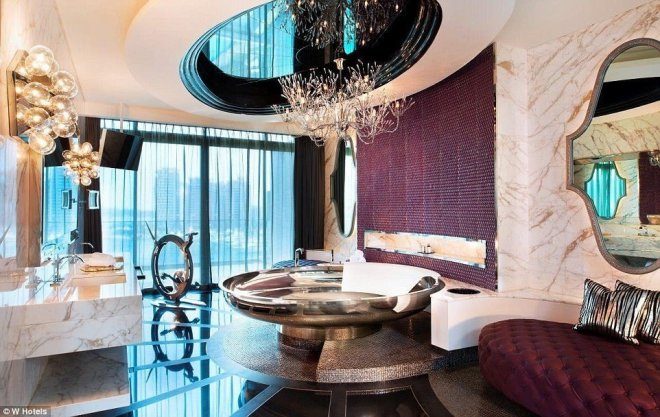
The Price of a Sailboat Stay in Dubai
You do not book the Burj Al Arab for the view alone. You book it because the building looks like a billowing white sail against the Persian Gulf. It is iconic. It is Dubai’s most recognizable silhouette. And it is arguably the world’s most famous hotel, despite the “seven-star” label being a marketing myth. The real cost is in the details.
The bathrooms are where the fantasy begins. Marble columns rise from the floor. Rainfall showerheads dump water with theatrical force. Jacuzzis sit ready for long soaks. You feel enclosed in luxury. It is opulent to the point of excess.
But the rooms go further. They do not just offer comfort. They offer a vantage point. Slide the curtains open. The Arabian Gulf stretches out below. The city skyline burns in the distance. You are suspended between the sky and the sea.
Booking Reality Check
This is not a weekend getaway. It is a destination. A standard suite starts around $1,500 per night. That is base pricing. During peak season, rates jump higher. You need to plan months ahead. Walk-ins are rare. Reservations are essential.
Who is this for?
- Travelers who want the photo op.
- Couples celebrating an anniversary.
- Luxury seekers who prioritize service over substance.
If you are watching your budget, skip it. The experience is impressive. But is it worth the price tag? That depends on what you value.
What You Actually Get
The service is attentive. Staff remember your name. They anticipate your needs before you ask. The lobby is a spectacle. Gold leaf covers the ceilings. A massive fountain of water cascades down. It is designed to awe.
Dining is another draw. The Terrace at Al Muntaha sits 200 meters above the sea. You eat lobster while looking down at the palm island. The food is good. The view is the main course.
Practical Tips
- Best time to visit: November to March. The heat is manageable.
- Best view: Ask for a high-floor room facing the Gulf. The lower floors look out at the desert.
- Access: You do not have to stay there to enter. You can book afternoon tea or dinner at one of their restaurants. It costs less. It still gives you the lobby experience.
The Verdict
The Burj Al Arab is a statement. It says Dubai is here to stay. It says luxury knows no bounds. It is a place where marble meets ocean views. Where rain showers feel like storms. Where every surface gleams.
It is not just a hotel. It is an institution. A white sail anchored in the sand. A test of what happens when money meets ambition. And for those who can afford it, it is a dream wrapped in silk and stone.
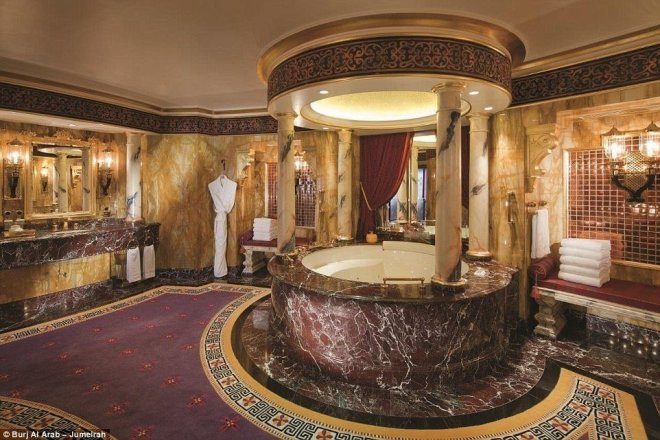
You have likely heard of the Big Five, but Kenya’s interior hides a different kind of magic. It is quieter here. Less chaotic. Just raw, unfiltered landscape and wildlife that doesn’t mind your presence.
### Meru National Park
If you are tired of the crowded gates of the Masai Mara, look north. Meru National Park is the place. It is not just a stopover. It is a destination for those who want to see elephants walking through tall grass without a bus full of tourists in front of them.
Where to Stay: Luxury in Stone
Forget standard safari lodges with canvas walls. In Meru, you can sleep inside the earth itself.
Ol Jogi Oleria Lodge offers something rare. The rooms are carved directly into the rock face. This is not a gimmick. It is a structural reality. You are literally inside the mountain.
“The rooms are carved directly into the rock face. You are literally inside the mountain.”
The Bath Experience
Here is the practical detail most guides miss. When you settle into your room, the bathroom is designed for exposure. You have a full-sized tub, yes. But it is open to the sky.
Imagine this. You are soaking in warm water. The rock surrounds you on three sides. The fourth side? Nothing. Just open air. You can sunbathe while you soak. It is an odd sensation. Warm water, cool air, direct sunlight on your back. It feels ancient. Like bathing in a cave that forgot to close.
Wildlife & Logistics
Why go here? The wildlife density is high, but the crowd density is zero.
- Elephants: Meru is one of the best places in Kenya to see large herds of elephants in a natural setting.
- Rhinos: The Black Rhino Sanctuary operates here. Spotting one is a real possibility.
- Birds: Over 400 species. If you are a birder, this is paradise.
When to go: June to October is dry. The animals congregate around waterholes. You will see more. January to March is also good. Short rains can make roads muddy, so check conditions if you are self-driving.
Cost: Staying in a rock-carved suite is expensive. You are paying for exclusivity and engineering. Expect to pay a premium for this specific experience. It is not cheap. But it is unforgettable.
How to Get There
Meru is about 250 kilometers from Nairobi. It takes roughly five to six hours by road. The last stretch is gravel. A 4×4 is mandatory. Do not attempt this in a sedan. The roads can be rough after rain.
Some travelers fly into Meru Airstrip. It cuts travel time in half. Worth the extra cost? If you hate long drives, yes. If you like the journey, stick to the road.
What to Bring
Sunscreen. You will be exposed. Mosquito repellent. The heat brings the bugs. A good camera. The light in Meru is soft, even midday. It photographs well.
This is not a place to rush through. It is a place to slow down.
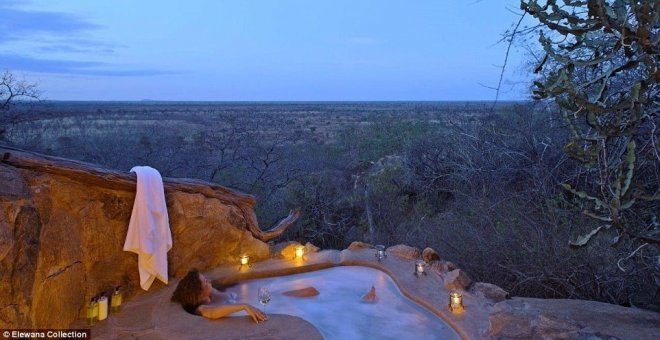
The Royal Scale of Umaid Bhawan Palace
Forget boutique hotels. This isn’t a cozy B&B. It’s a 26-acre estate in Jodhpur, India, that feels like stepping into a film set designed by a king with an unlimited budget. The grounds are landscaped with period-specific gardens. Think manicured lawns, shaded walkways, and that distinct arid Rajasthan heat bouncing off the sandstone walls.
Inside, the design choices are loud. You’ll see murals covering walls that likely haven’t been touched since the 1940s. Chrome torches line the halls. There are fake leopard-skin couches scattered in the lounges for that “I own a safari” vibe. It’s theatrical. It’s excessive. It’s exactly what you’d expect from a former royal residence turned luxury hotel.
But the real show is in the Maharani Suite. And the King’s Suite.
Take the bathroom in the royal suite. It’s 447 square meters. Yes, that’s nearly 500 square meters. The tub? Carved directly from pink Italian marble. There’s a jacuzzi. There’s a steam room. The scale is hard to wrap your head around until you’re standing in it. It’s not just a bathroom. It’s a destination in itself.
Why Book Here (and How to Time It)
You don’t just walk in. You book months ahead. This is one of the most exclusive properties in India. The cost? Expect to pay a premium. We’re talking thousands per night, easily. But for some travelers, the history is the product.
When to go? Avoid the summer months. June through August is brutal. The heat in Jodhpur is aggressive. Aim for October to March. The skies are blue. The air is crisp. The gardens are in bloom.
What’s Actually Worth Seeing on Grounds
The suite is the hook. The rest of the estate keeps you there.
- The Museum Wing: The museum part of the palace is free to stay in guests. It houses vintage cars, portraits of the Jodhpur royalty, and artifacts from the Maratha era. It’s a quick walk from the main building. Go early before the heat sets in.
- The Gardens: They aren’t just decorative. They’re designed for cooling. Narrow paths, water features, dense trees. Walk them at sunset. The light hitting the sandstone turns the whole complex gold.
- The Balcony: If your room has one, use it. You get a view of the old city. The blue houses of Jodhpur are visible in the distance. It’s the classic postcard shot.
Logistics and Reality Check
Is it worth the price tag? Maybe not for the bathroom marble alone. But for the service? For the history? For the sheer audacity of it all? Yes.
Book directly. Or use a specialist who knows how to navigate the reservation system for properties like this. Don’t rely on generic aggregators. They often don’t show the true availability or the best rates.
Pack light. The air conditioning in these high-ceilinged rooms is powerful. You’ll shed layers within an hour. Bring a light scarf. The priests and locals appreciate modesty when you’re near the temple areas within the complex.
It
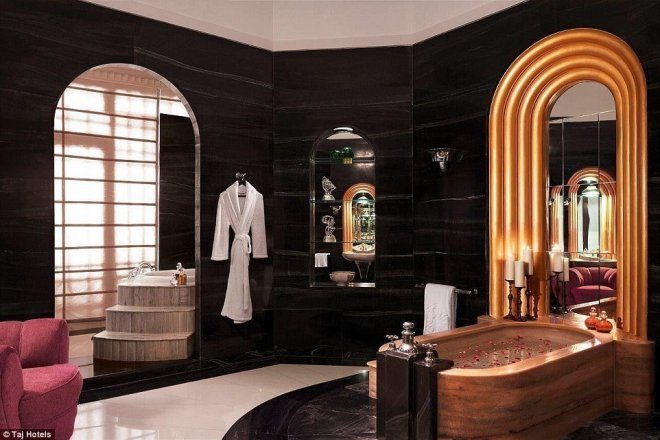
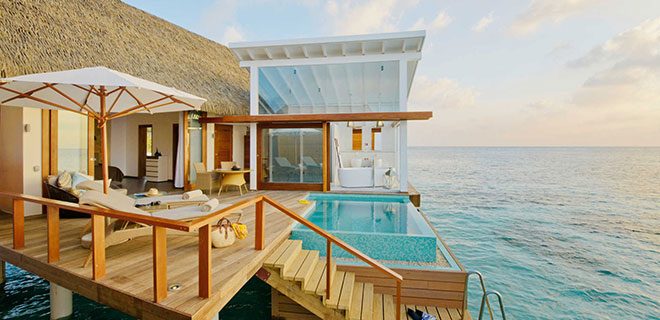
Beyond the Standard Resort Package: Why Kondolhu’s Open-Air Design Works
You’ve likely scrolled past the usual Maldivian listings. Water bungalows. Overwater villas with glass floors. The standard package. But if you are looking for something that feels less like a hotel room and more like a suspended moment of clarity, Kondolhu Island Resort in the Maldives offers a different angle. Specifically, its commitment to open-air concepts isn’t just aesthetic; it’s a structural choice that changes how you experience the trip.
Most travelers book based on the photo of the infinity pool. Kondolhu gives you that. And then some. The design philosophy here strips away the walls. Instead of a fixed room, you get a bathroom and a private pool that merge into the landscape. The boundary between “inside” and “outside” disappears.
“The panoramic view of the Indian Ocean isn’t just seen; it’s inhabited.”
This is crucial for anyone planning a trip who feels claustrophobic in traditional resort layouts. You step out. You see the water. The air moves. The humidity is real, but so is the breeze. It’s not a climate-controlled box. It’s an extension of the atoll itself.
How to Time Your Visit and What’s Actually Worth It
Timing matters more than the room type. If you go during the monsoon season, the wind picks up. That’s part of the charm for some, a nuisance for others. Aim for the dry months if you want calm glass-like waters for snorkeling right off your private deck.
Where to focus your attention? The bathroom. Yes, really. It’s designed to be open-air. You shower with a view of the horizon. It’s intimidating at first. Then it’s liberating. Don’t skip the pool. It’s not huge, but it’s positioned to catch the sunset light in a way that makes photography effortless.
Which amenities justify the price point? The connectivity. The design allows you to work if you must, but the pull of the ocean is constant. You’ll find yourself working less and watching the tide more.
The cost? It’s premium. But you’re paying for the lack of walls. You’re paying for the sound of the waves instead of air conditioning hum. If you’re comparing it to other mid-range Maldivian resorts, Kondolhu trades some luxury extras for this architectural honesty.
Logistics for the Practical Traveler
Getting there usually involves a speedboat transfer from Malé. Check the schedule. Weather can delay boats. Pack light. The open design means less storage space than a traditional suite. Keep your clothes minimal. The vibe is relaxed, not formal.
What’s genuinely worth seeing? The underwater world. The reef is accessible. Snorkeling gear is often provided. You don’t need to book expensive excursions immediately. Walk to the edge of your pool. Look down. Fish are often there. It’s immediate. It’s private.
There’s a reason this concept is gaining traction. It’s not just about luxury. It’s about immersion. You aren’t visiting the Maldives. You’re in it.
The sun sets. The light changes. The pool water matches the ocean. You realize you haven’t checked your phone in hours. Is that a vacation or a retreat? The line is blurred. And
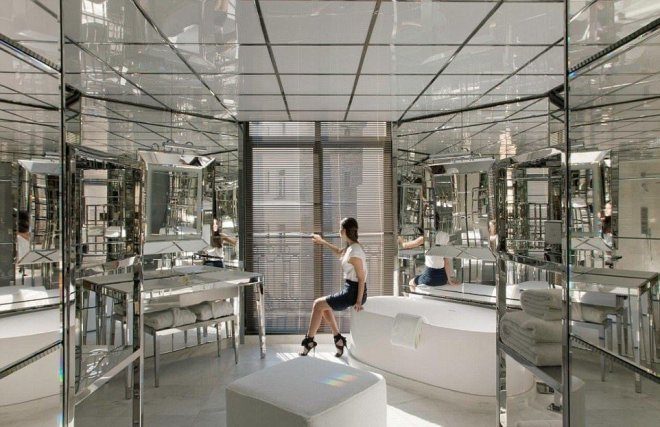
There is a specific kind of madness in Parisian luxury. It isn’t just about gold taps or marble floors. It is about scale. And nowhere is that scale more absurd—or more breathtaking—than at Hotel Le Royal Monceau Raffles. Specifically, when you step into the Royal Monceau Suite, the rules of normal hotel living go out the window.
The Bathroom That Swallows Space
You mentioned the 320-square-meter bathroom. Let’s put that in perspective. Most studios in Paris are smaller than that bathroom. It is not an exaggeration to say this space is an architectural event in itself.
Inside, you do not just shower. You navigate.
- Art Installations : This isn’t a spa with candles. It is a gallery. The suite features commissioned art pieces that turn hygiene into an aesthetic experience.
- Furniture as Sculpture : The fixtures are not standard. They are high-design pieces that demand attention. You are walking through a living room that happens to have a shower.
- The Shower Cabin : Yes, it has a dedicated shower cabin. But in a room this size, the cabin is just one element in a vast landscape of tile, stone, and space.
Why This Matters for Travelers
If you are planning a trip to Paris and looking for luxury hotel suites in Paris with private art collections, this is the benchmark. Most five-star hotels offer “suits.” Le Royal Monceau offers residences.
The cost is significant. But the experience is not about sleeping. It is about inhabiting a piece of contemporary art.
Practical Details for the Booking
- Location : 37 Rue de Pas de Calais, 75008 Paris. Near the Arc de Triomphe, but tucked away on a quieter street.
- Best Time to Visit : Spring or early autumn. The light in the suite is part of the design.
- What to Expect : Service that is invisible until you need it. The staff anticipates needs before you articulate them.
- Not for Everyone : If you want a cozy bed and a small shower, this is overkill. If you want to feel like you are living in a museum, this is essential.
The Verdict
Most travelers never see this space. They book the standard room. They see the Eiffel Tower from the window. They miss the point.
The point of Le Royal Monceau is not the view. It is the interior. It is the sheer, unapologetic volume of space dedicated to comfort and art.
When you stand in that 320-square-meter bathroom, you realize that luxury is not about opulence. It is about the freedom to spread out. To own space. To let the water run for ten minutes because you can.
Paris has many hotels. Few have the soul of this suite.
The question is not whether you can afford it. The question is whether you can truly relax in a space that demands your full attention.
For some, that is a nightmare. For others, it is paradise.
There is no middle ground.
The Hidden Gems of the Maldives: Beyond the Resort Bubble
Most travelers think the Maldives is just white sand and overwater bungalows. They book the package. They fly in. They sink into a lounger. They leave. It’s pretty, sure. But it’s also expensive and repetitive. If you want to see the real Maldives—the one where locals actually live and fish and drink coconut tea—you have to leave the resort islands. You have to go where the ferries go.
Take the public ferry from Male to Hulhumale, then switch to the local island of Maafushi. It’s chaotic. It’s loud. It’s vibrant. And it costs a fraction of what you’d pay at a five-star resort. A room here might run you $50 a night. Not $500. Not $1,500. $50.
This is budget-friendly Maldives travel for people who don’t mind sharing a bathroom with strangers occasionally, or sleeping near a generator. But is it worth it? Absolutely. You get to see how the country actually works. You see fishermen mending nets at dawn. You see kids running through the streets in bright shirts. You taste mas huni —tuna and coconut salad—for pennies. It’s an experience that resorts can’t replicate because they’re designed to isolate you from the very culture you’re visiting.
Getting Around Without Breaking the Bank
Ferries are the backbone of this archipelago. They run on schedules that are more like suggestions. Don’t plan your entire day around them. Plan your day around the possibility of them.
- Male to Hulhumale : 10 minutes. 800 Rufiyaa. It’s a quick hop. Grab a seat on the deck. The sea is calm here. The air smells like diesel and salt.
- Hulhumale to Maafushi : 30 minutes. 150 Rufiyaa. Watch the islands blur by. You’ll spot a dolphin pod if you’re lucky. If you’re not, you’ll see a floating trash barge. Both are part of the real Maldives.
- Maafushi to Fulidhoo : Another hour. This is where the water turns that impossible turquoise. The ferry rocks a bit. Bring motion sickness pills. They’re cheap in Male. Buy them before you board.
Speedboats are faster. They’re also 10 to 20 times more expensive. Unless you’re in a rush, or you’re carrying a lot of cash, skip them. The public transport network is extensive. It covers almost every inhabited island. It’s reliable enough for a weekend trip. It’s not designed for luxury. It’s designed for movement.
Eating Like a Local
Resort meals are pricey. Island cafes are not. You can eat like a king on Maafushi for under $10 a day. But the question isn’t just cost. It’s what you’re actually eating.
Start with hedhikaa —short eats. Fried dough balls stuffed with tuna and chili. They’re small. They’re hot. They’re addictive. Move on to roshi —flatbread cooked on a griddle. Dip it in curry. Or dip it in tuna salad. Or just eat it