Barcelona is the heavyweight of Spain. It sits in the northeast, claiming the title of second-largest city after Madrid. The numbers are massive. Roughly 1.5 million people call this place home. It is an industrial hub, strong in textiles, shipbuilding, and manufacturing. But you are not here for the factories. You are here for the sun, the history, and the chaos.
The climate sets the tone. Winters are mild. Summers are hot and humid. The currency is the Euro. You will hear Spanish and Catalan everywhere. The city has been around for at least 2,000 years. It hosts major international festivals. It attracts millions of tourists who want to see something different. It is metropolitan, weird, and fascinating.
Why Visit Barcelona Now
There are reasons to book the flight today. The architecture is unlike anywhere else. The food is incredible. The vibe is electric. If you are planning a trip, you need to know where to go. You need to know what to eat. You need a plan that covers the big hits and the hidden gems.
This is not just a list. It is a survival guide for the modern traveler. We will cover the museums. We will talk about history. We will look at hotels and shopping. But first, you have to see the icon.
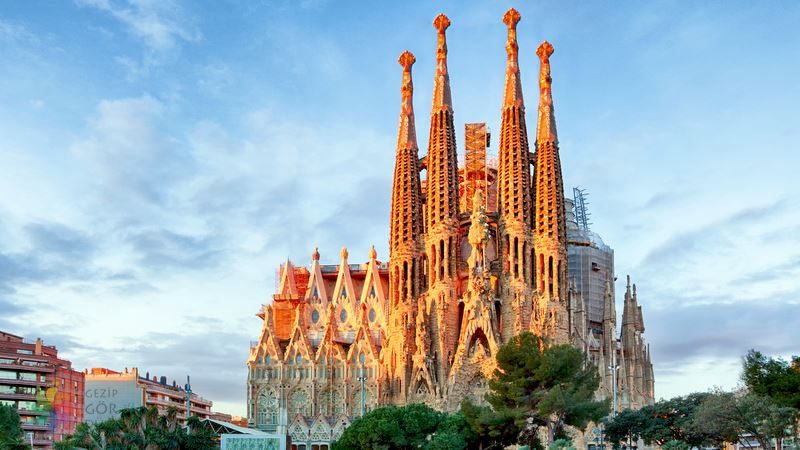
Sagrada Familia: Gaudi’s Masterpiece
If you only see one thing in Barcelona, make it the Sagrada Familia. It is the symbol of the city. It draws people in. Antoni Gaudi is the architect behind it. It is his greatest work.
The story started in 1882. A group called the Association of St. Joseph the Devout wanted a church. They hired Francisco de Paula de Villar y Lozano first. Things went south quickly. Disagreements arose. The project was handed to Gaudi in 1883.
He worked on it until he died in 1926. A tram accident took his life. He never finished the basilica. It remains unfinished to this day.
“The basilica, despite remaining incomplete after the master’s death, is still considered an essential stop on any Barcelona travel itinerary.”
Today, it is a must-see. It is intricate. It is overwhelming. It is Gaudi’s life’s work, frozen in time. Book tickets in advance. The lines are long. The details are dense. You will spend hours just looking up.
What Else to See
The Sagrada Familia is just the start. The city is packed with history. You can walk through old quarters. You can eat tapas in narrow alleys. You can climb hills for views.
Here is what you need to look into:
- Museums : The Picasso Museum is famous. The National Art Museum of Catalonia is vast. Don’t skip the science museums if you have kids.
- Historical Sites : The Gothic Quarter is a maze of medieval streets. The Born district is trendy but historic.
- Tourist Spots : Las Ramblas is crowded. Go early. Park Güell is Gaudi’s other big hit. The colors are bright. The views are sharp.
- Food and Drink : Try patatas bravas. Get a caña (small beer). Eat churros with
Casa Mila: Gaudi’nin Taş Ocağı ve Pedrera’nın İç Yüzü
Sagrada Familia’nın o büyüleyici, adeta dışarıdan bakıldığında devasa bir kumandanın parmak izleri gibi duran iç mekanı terk ettikten sonra, hemen peşinden gitmeniz gereken yer var. Barcelona’daki Gaudi turunuzun ikinci durağı, Casa Mila ’dır.
Katalonya Meydanı (Plaça de Catalunya)’na çok yakın. Hızlıca yürüyerek ulaşabilirsiniz. Gaudi’nin eserleri arasında Sagrada Familia’den sonra en değerli olanı kabul edilir. Bu sıralama tartışmaya açık. Ama o binanın ölçeğiyle kıyaslanırsa, Casa Mila daha insana yakın, daha “yaşanabilir” bir mimari.
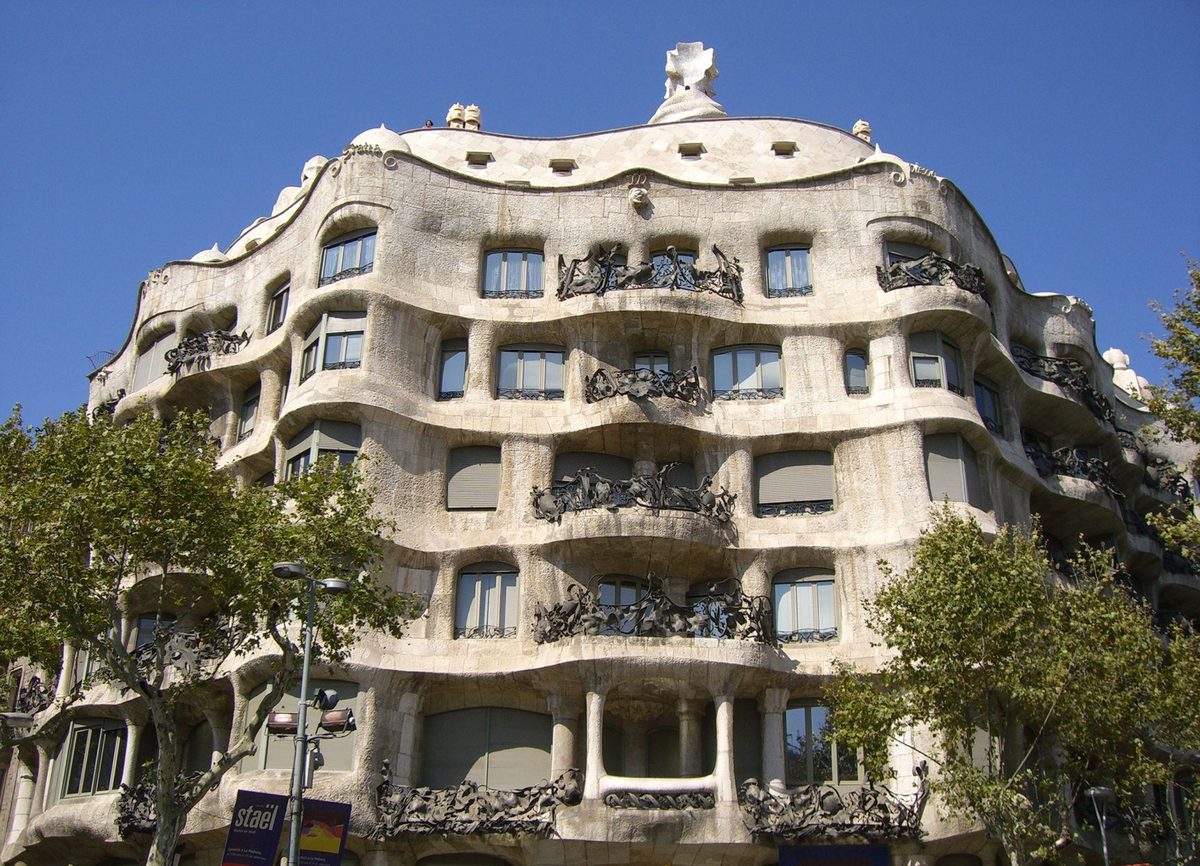
Yapım 1906’da başladı. 1912’de bitti. Arada altı yıl var. Bu bina, Gaudi’nin dönemin zengin iş adamlarından Pere Mila için tasarladığı lüks bir konut projesiydi. Ama halkın tepkisi sertti. Tamamlanıp açıldığında ağır eleştiriler aldı. Yerel halk onu sevmeyi reddetti. Ona “La Pedrera” adını taktılar. Yani “taş ocağı”. Neden? Çünkü dış cephesi düzensizdi. Doğal taş gibi görünüyordu. Düzensiz. Kaotik.
Gaudi’nin amacı belliydi. Ön cephede dalgalı bir deniz hayal etmiş. İçinde salınan yosunlar. Rüzgarın şekil verdiği bir yapı. Bu hissi vermek istemiş. Önde dökme demirden yapılmış balkonlar var. Şekilleri alışılmışın dışında. İlginç bacalarla kaplı çatısı ise başlı başına bir sanat eseri. Çatıdan inen bacalar. Adeta heykeller gibi.
İçeri girdiğinizde, özel dairelerin yanı sıra Caixa de Catalunya Galerisi bulunuyor. Galeride Gaudi’nin diğer eserlerine dair bilgiler yer alıyor. Ama asıl dikkat çeken, binanın kendisi.
Casa Mila’ya Nasıl Gidilir ve Ne Zaman Gitmeli?
Katalonya Meydanı’ndan yürüyerek kısa sürede ulaşabileceğiniz Casa Mila, Gaudi’nin en değerli 2. eseri konumunda. 1906-1912 yılları arasında yapımı gerçekleştirilen konut, ünlü mimar tarafından dönemin önemli iş adamlarından Pere Mila için tasarlanmış.
Tamamlanmasının ardından ağır eleştirilere maruz kalan ve yerel halkın dilimizde taş ocağı anlamına gelen La Pedrera ismiyle andıkları yapının ön cephesinde Gaudi, dalgalı bir deniz ile içerisinde salınan yosunların görüntüsünü yansıtmak istemiş.
Ön tarafları dökme demirle kapatılmış balkonları ve ilginç şekilli bacalarla kaplı çatısıyla dikkat çeken binanın
The easiest way to how to get to casa mila barcelona is to start from the very heart of the city’s pedestrian network. You don’t need a taxi for this. You can walk. You can hop on a bus. You can even take the metro and emerge right into the action. But if you want to see the real spine of Barcelona, you start at Plaça de Catalunya and walk south. All the way to the port.
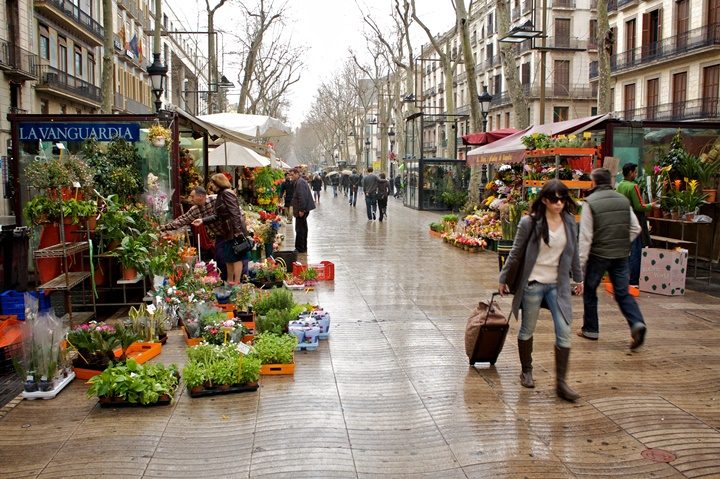
This is La Rambla.
It is a long, shaded avenue that feels less like a street and more like a living room for the entire city. The name comes from the old riverbed that used to carry rainwater from the mountains down to the Mediterranean before the walls were torn down in 1766. Now, instead of water, you get crowds. Thousands of them. Every day.
The Walking Route: What You Actually See
If you start at Plaça de Catalunya, you are standing at the top of the funnel. The flow is constant. To your left, you have the Font de Canaletes. It’s a classic fountain. Locals swear the water gives you the desire to return to Barcelona. Whether that’s true or just a tourist myth doesn’t matter. It’s a good meeting spot.
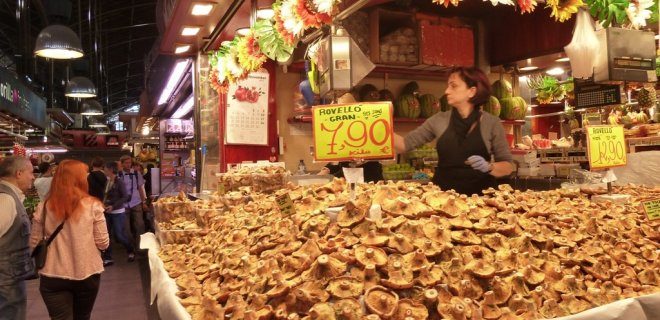
Keep walking. You will hit Mercat de La Boqueria. This is not a grocery store. It is a spectacle. The air smells of ham, fruit, and noise. If you are hungry, eat here. It costs more than a street tapas bar, but the energy is unmatched. Grab a slice of jamón ibérico. Eat it standing up. Watch the world go by.
Beyond the market, the Gran Teatre del Liceu rises up. It’s opulent. It’s historic. It’s one of Europe’s major opera houses. You don’t need a ticket to appreciate the exterior if you’re on a budget, but stepping inside, if you can, is worth the price of admission. The acoustics are legendary.
Finally, the path leads you to the waterfront. There, staring out at the Mediterranean, is the Christopher Columbus monument. It’s massive. It’s imposing. It points directly toward the Americas. The base of the monument is where the rambla ends.
Practical Details for Your Itinerary
La Rambla is the main attraction, but it is also a trap for the unwary. Pickpockets know exactly where the tourists look up and where they put their hands in their pockets. Keep your bag close. Always.
The shops here are a mix of souvenir stalls and chain stores. The souvenirs are often overpriced and generic. You can find better local crafts in El Born or Gràcia. But for a first-timer, the variety on La Rambla is hard to ignore. You can buy fan-made ceramics, leather goods, or cheap sunglasses.
Timing matters. Go early in the morning if you want to see the street sweepers at work and feel the city waking up. The light is soft. The noise is lower. Go late at night, and you get a different vibe. The performers come out. The clowns. The living statues. It becomes theatrical.
Avoid Sundays if you are shopping. Many of the smaller gift shops and some boutiques close up. It’s a
Getting to Camp Nou: The Logistics
La Rambla is iconic, sure. But if you’re looking for the pulse of modern Barcelona, you head to the Nou Camp area. The trip from the city center takes about 20–30 minutes by metro. Line 3 (Green) gets you close. L2 (Purple) drops you right at the entrance. It’s faster than the bus, which gets stuck in traffic near the stadium.
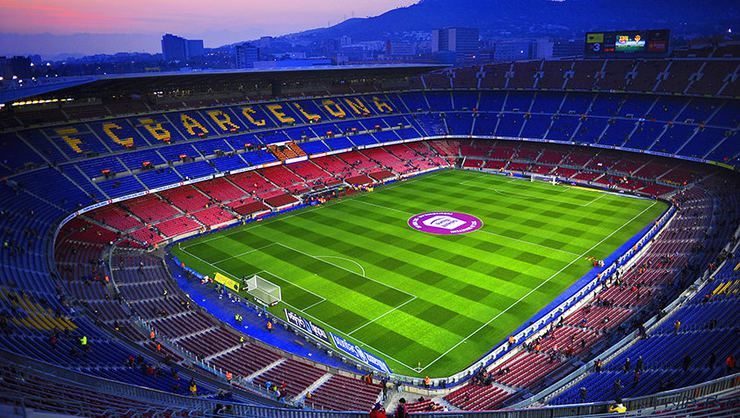
The stadium itself is massive. Designed by Francesc Mitjans, it rose from the ground in just three years. 55,000 square meters of concrete and steel. It holds nearly 99,000 people. That number changes as they retrofit it for the new “Spotify Camp Nou” expansion, but the scale remains overwhelming. Walking into the bowl feels like stepping into a cathedral of sport.
The FC Museum: More Than Just Trophies
The museum isn’t just a trophy case. It’s a timeline. You start at the bottom, near the locker rooms. The atmosphere shifts from tourist-heavy to intimate. You walk through the tunnel onto the pitch. The grass looks impossibly green under the floodlights. It’s a visceral experience. You can almost hear the roar.
Then you go up. The visual and audio presentations track over a century of history. It’s dense. There are documentaries playing on loops, archival footage, and interactive displays. But the real draw is the collection of art. The club has always supported local artists.
You’ll find works by Dalí. Miró. Subirachs. Tapies. These aren’t just souvenirs. They’re significant pieces donated by the players and the institution over decades. Seeing a Miró hanging next to a European Cup trophy creates a strange juxtaposition. High culture meets high stakes.
Why Go? The Context
Many locals refer to FC Barcelona as the unofficial national team of Catalonia. It’s not just a football club. It’s a political statement. A cultural identity. Visiting the stadium and museum is understanding that context.
The tour guides (audio or live) explain the nuances. The rivalry with Real Madrid. The role of the club during the dictatorship. The way Messi became a symbol. Without this background, it’s just a big building with shiny cups. With it, it’s a lesson in social history.
Practical Tips for the Visit
- Timing: Book weeks in advance. Weekend matches sell out instantly. Even on non-match days, the stadium tour fills up by noon.
- Cost: Tickets vary. A basic tour is cheaper than the full experience with player’s tunnel access.
- Duration: Allocate at least two hours. The museum alone takes 90 minutes. Add the stadium walk.
- Best Time: Early morning on a weekday. Fewer crowds. Better light for photos in the museum.
- What to See: Don’t rush the art section. The Dalí pieces are often overlooked in favor of the trophies. They’re worth the detour.
The energy around the stadium is different from La Rambla. It’s less chaotic. More focused. Fans gather early. Scarves wave. The anticipation builds as the sun sets. It’s a different side of Barcelona. One that doesn’t rely on tapas or Gaudi. Just pure, unfiltered passion.
Casa Batllo: Gaudi’nin Kemikler Evi’ne Yol Tarifi
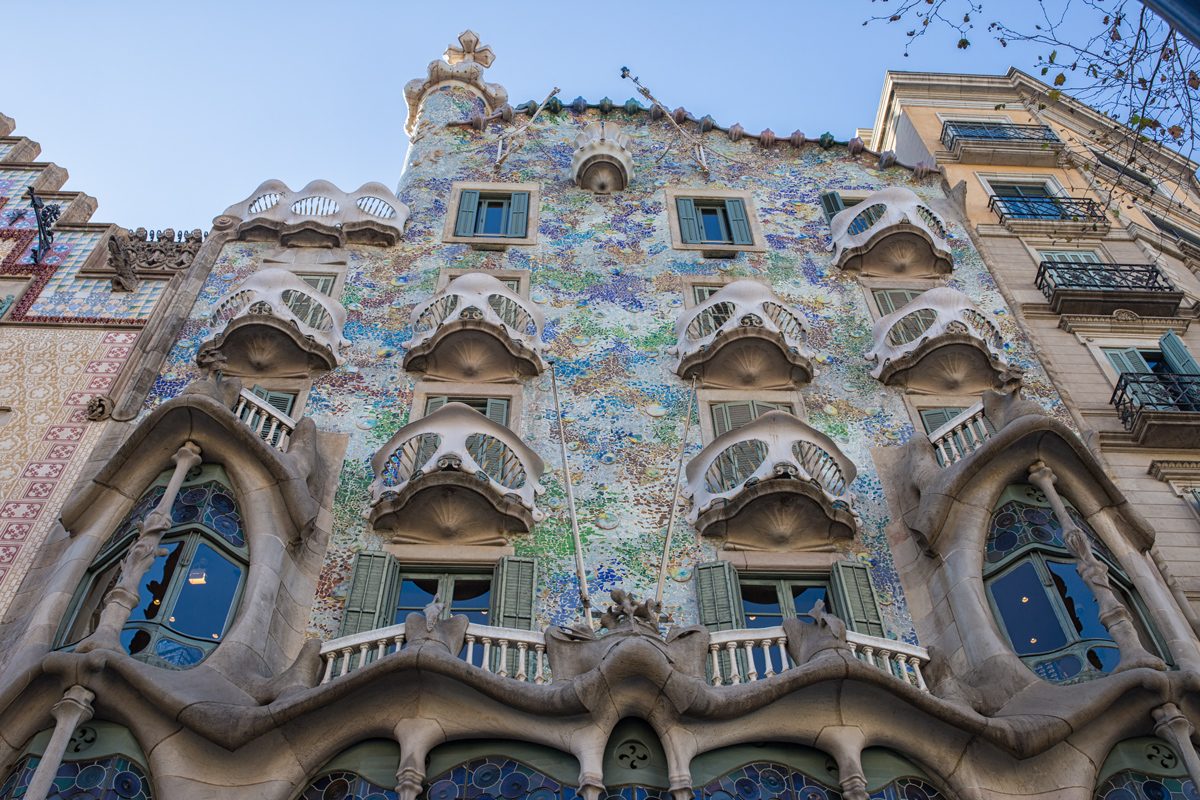
Barcelona’daysanız, La Rambla’dan kopup Passeig de Gràcia’ya yürümek bir ritüel olmalı. O cadde boyunca yürürken sol tarafınıza bakın. Orada, Antoni Gaudi’nin en çarpıcı mimari imzalarından biri sizi bekliyor. Casa Batllo, yerel dilde “Kemikler Evi” olarak anılan bu yapı, sadece bir bina değil, taşın nefes aldığı bir heykel.
Katalonya Meydanı’ndan (Plaça de Catalunya) buraya yürüyerek varmak o kadar kolay ki. Sadece 10 dakika. Gerçekten. Haritaya bakmak bile lüzumsuz. Sokakların akışına kapılın.
Neden “Kemikler Evi” Deniyor?
Adını almasındaki neden, Gaudi’nin Modernisme sanat akımını o kadar özgün yorumlaması ki. Dış cephe, kemiklere ve iskelet yapısına öylesine benziyor ki, ilk bakışta inandırıcı geliyor. 1904 yılında eski bir konutun yenilenmesi sürecinde ortaya çıkmış bu yapı, Gaudi’nin Claude Monet’nin “Nilüferler” tablosundan ilham aldığına dair söylentileri de taşıyor. Renk paleti, suyun yansıması gibi akıcı.
İçeriye Girdiğinizde Neler Var?
Müze olarak işletilen evin içi, dışını bile aşan bir büyüye sahip. Özellikle ilk kattaki salon, ziyaretçileri şaşırtıyor. Tavan işçiliği, deniz kabuklarını anımsatan formlarıyla başınızı döndürüyor. Odalardan birine baktığınızda, kent manzarası eşliğinde Gaudi’nin vizyonunu hissediyorsunuz. Her detay, bir öncekiyle yarışan bir doğallık taşıyor.
Ziyaret İpuçları: Nasıl Planlamalı?
Eğer sıradan bir turist kalabalığına takılmak istemiyorsanız, zamanlamayı doğru yapın.
- Giriş Saatleri: Sabah ilk saatlerde veya akşamüstü, ışığın değiştiği vakitler daha huzurlu.
- Biletler: Özel firma tarafından yönetildiği için biletleri önceden online alın. Sırada beklemek, Gaudi’nin yarattığı sanatı izleme sürenizi kısaltır.
- Sesli Rehber: Müthiş. İç mekanın detaylarını, Gaudi’nin niyetlerini anlatan katmanlı bir anlatım sunuyor.
Diğer İkonik Yapılarla Karşılaştırma
Gaudi’nin eserlerini tek tek gezmek, onun evrimini takip etmek gibidir. La Sagrada Familia’nın inşası sürerken, Casa Batllo daha olgun bir çizgiye sahip. Guell Park’ın vahşi doğallığına kıyasla, Casa Batllo şehrin kalbinde, insanın içindeki sanata hit
How to Get to Casa Batllo and the Real Story Behind La Boqueria
Navigating Barcelona’s architectural giants requires a bit of logistical planning. You are trying to figure out casa batllo how to get there efficiently, but the city’s pull often distracts you before you even reach the ticket counter. That is exactly why so many visitors end up wandering off-course, drawn into the chaotic, vibrant gravity of La Rambla.
Right in the middle of that historic avenue sits Mercat de La Boqueria. It is not just a market. It is a sensory overload wrapped in a historic building. The air alone tells you something is different. You smell roasted chestnuts, fresh seafood, and ripe fruit all at once.
For travelers trying to plan their route, understanding this location is key. It sits directly on La Rambla. If you are heading to Gaudi’s masterpiece nearby, this is your pitstop. The market’s history dates back to 1217. Some sources say that. The current structure, however, is much more modern. It gained international fame as the go-to spot for top-tier Barcelona restaurants. Chefs come here to buy the freshest produce. Vegetables. Fruits. Meats. Seafood. Everything is local.
“If you are hungry here, do not just watch. Eat.”
The layout of the market is designed for movement. You have the classic counters. But you also have sections where food is cooked right in front of you. This is not just for show. It is a practical part of the experience. You can walk in, grab a fresh fruit juice, and move on. Or you can stay.
The sweetness hits you first. Candied fruits. Pastries. The sugar rush is immediate. But then the savory options kick in. Jamon ibérico. Seafood skewers. Tapas plates that taste like the coast. It is Katalan cuisine in its rawest form. No waiters. No menus. Just fresh ingredients and immediate gratification.
Logistically, it is busy. Very busy. If you are trying to get from this market to Casa Batllo, you will likely walk down La Rambla or cut through the side streets. It takes about 10 to 15 minutes. The cost of entry is free. The cost of food varies. A bottle of water might be two euros. A plate of seafood could be ten. It is worth paying for quality here. The produce is superior to what you find in standard grocery stores.
Timing matters. Go early. The light is better. The crowds are thinner. By afternoon, it is a crush of tourists and locals hunting for dinner ingredients. You lose the atmosphere. You just lose your patience.
Why do people prefer this over other markets? It is the integration of dining and shopping. You do not have to find a restaurant elsewhere. You eat where you buy. It cuts out the middleman. Literally.
The variety is staggering. You can find items from all over Catalonia. Products from the farms surrounding the city. This is not imported junk. It is local supply chains working in real-time. The chefs who frequent this market have been doing so for decades. They know exactly which stall has the best tomatoes. Which fishmonger gets the best catch.
If you are planning a trip, map this out. Do not
Picasso Müzesi’ne Ulaşım ve Ziyaret Rehberi
Mercat de La Boqueria’dan yürüyerek çıkarsanız, La Rambla’nın gürültüsünden sıyrılıp daha sessiz bir cennete adım atmış olursunuz. İki blok kadar gidersiniz. Sol tarafınızda, Orta Çağ’dan kalma karanlık ama görkemli taş binalar belirir. İşte Picasso’nun gençliğinin izlerini sürdüğünüz yer.
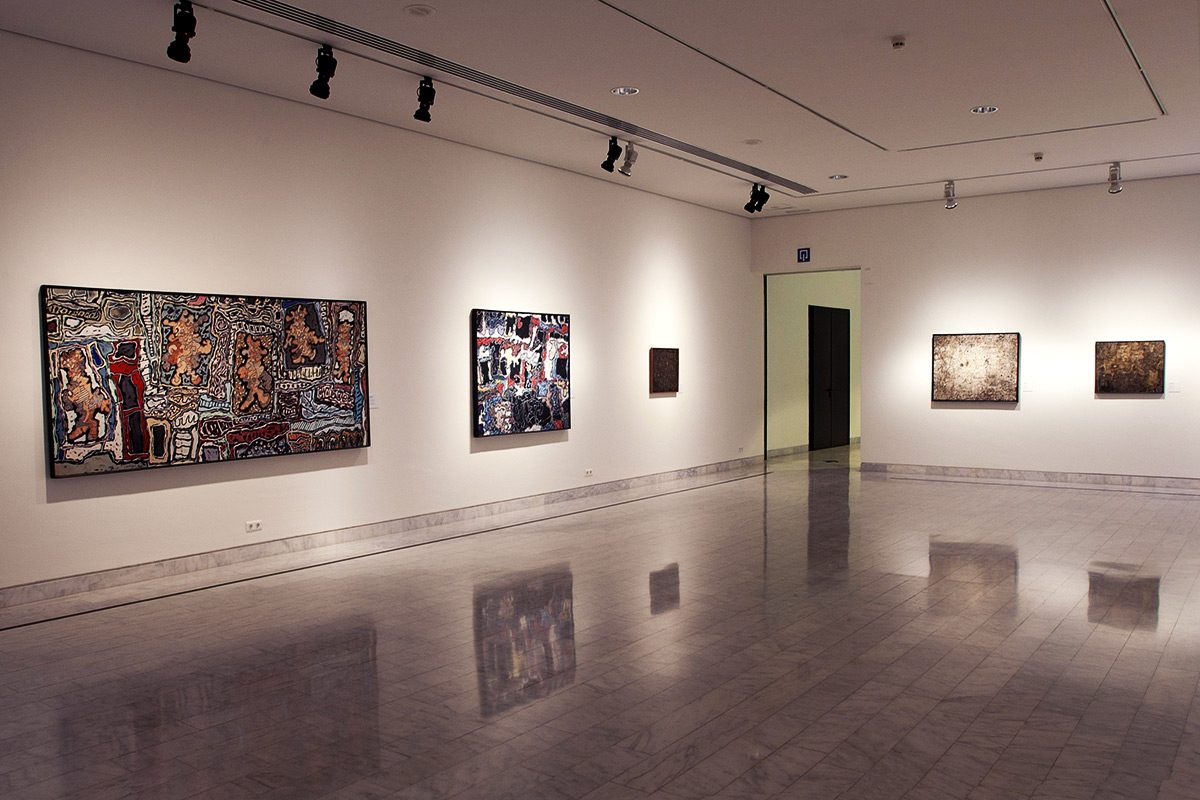
Bu müze sıradan bir sanat galerisi değil. İspanyol sanatçının adına açılan ilk müze olması haliyle özel bir yere sahip. Paris’ten sonra en büyük koleksiyona sahiptir. Tam 3.500 eserin arasında kaybolabilirsiniz. 1963’ten beri kapılarını açıyor. Tıpkı Paris’teki müze gibi, Picasso’nun en yoğun eserlerine bu iki şehirde rastlarsınız.
Müze, Palacio de Berenguer d’Aguliar adlı tarihi bir sarayda hizmet veriyor. Duvardaki oymalar, merdivenlerin ahşap dokusu… Her şey 14. yüzyılın ruhunu taşır. Ama içerideki tablolarda o dönem yok. Gençlik var. Kriz var. İsyankarlık var.
Dünya çapında Picasso dendi akla gelen ilk isimdir. Ama burada gördükleriniz o bilindik “Guernica”lar değil. Daha önce görmediğiniz, nadiren sergilenen eserler var önünüzde. İlk dönem çalışmaları. Daha karanlık, daha introspektif.
Hangi tabloları incelemelisiniz?
– Hombre Con Boina : Erken döneminin yoğun renk paleti.
– Autorretrato con Peluca : Kendine şüpheyle bakan bir genç adam.
– Ciencia y Caridad : Hayatındaki ikilemlerin yansıması.
– Menu de Els Quatro Gats : Sanatçının takıldığı o meşhur kafein menüsü.
Nasıl gidilir sorusu basit. La Rambla’dan ayrılın. Via Laietana veya Carrer de Montcada yönüne yönelin. Montcada sokakları müzenin kalbidir. Birkaç eski sarayın içinde saklı.
Zamanlama önemli. Sabah erken saatlerde giderenler, kalabalığın henüz ulaşmadığı o sessiz anı yakalar. Öğleüstü La Boqueria’dan gelen turistler bu yöne kayar. O yüzden boş zaman bulmak zordur.
Giriş ücreti makul. Ama zamanınızı verimli kullanın. Sadece ünlü eserlere bakmak için değil. Mimaride de kaybolmak için. Taş duvarlara, avlulara, ışığın nasıl kırıldığına dikkat edin. Sanatçı burada yaşadı. Belki bu binalar, tablolarındaki o derinlikli gölgelerin kaynağıdır.
Kimse hızlanmanızı istemez. Yavaşça yürüyün. Her köşe başka bir dönemi temsil eder.
Barri Gotic: Barselona’nın Göbeğinde Kaybolmak
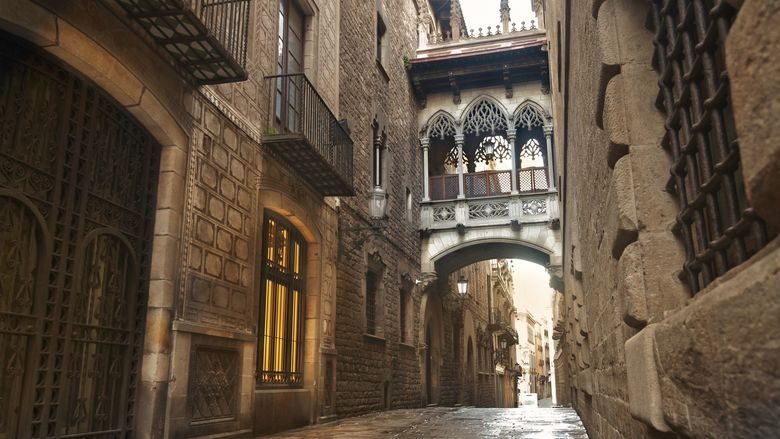
Eskilerin Barrio Gotico dedikleri o dar sokaklara ilk adımlarınızı attığınızda, zamanın durduğunu hissedersiniz. Burası sadece bir mahal değil. Barselona’nın kalbi atıyor. Ve bu kalp, yüzyıllar öncesinden beri vuruyor. 11. ile 16. yüzyıllar arasında Katalonya’nın denizcilikteki zirvesini yaşadığı o dönemden kalma yapılar, bugün bile hâlâ sokak taşlarının altında fısıldıyor.
Roma’nın eline geçmeden önce, M.Ö. 3. yüzyılda Hannibal’in babası Hamilcar Barca tarafından küçük bir köy olarak kurulan bu yerleşim, sonradan Barcino adını alan bir kaleye dönüştü. O eski surların izini sürmek, şehrin DNA’sını okumak gibidir.
Nereye Bakmalısınız?
Sokaklar sizi bekliyor. Ama öncelikle nereye gideceğinizi bilmelisiniz. Şehir Tarihi Müzesi ve Frederic Mare Heykel Müzesi tam burada. İkisi de o eski dokunun bir parçası. Ama ücretsiz gezmek daha cazip olan yerler de var. Başdiyakozun Evi. Roma Duvarı kalıntıları. Ve tabii ki Augustus Tapınağı. Bu kalıntılar ücretsiz görülebiliyor. Yani cebinizden bir kuruş çıkmadan, Roma tarihine dokunabilirsiniz.
“Barri Gotic, Barselona’nın tarihine ilgi duyuyorsanız, aklınızdaki tüm soruların yanıtlarını bulabileceğiniz tek adrestir.”
Meydanlar ve Saatler
Müzeleri ve duvarları gezdikten sonra ayağa kalkın. Sant Jaume, Pi ve Josep Oriol meydanlarına doğru ilerleyin. Bu meydanlar, bölgedeki tarihi yapılarla çevrili. Her biri kendine has bir aura taşıyor. Özellikle Sant Jaume Meydanı’nda, belediye binası ve katedralin gölgesinde oturanları izlemek bile bir deneyim.
Ne zaman giderseniz gidin, bu sokaklarda kaybolmak kaçınılmaz. Ama bu bir sorun değil. Hedefiniz Picasso Müzesi’ne nasıl ulaşacağınızı bilmek olabilir. Barri Gotic’ten müzeyi bulmak, labirentte bir ip parçası toplamak gibidir. İşaretleri takip edin. Daracık geçitlerden, taş merdivenlerden geçin.
Hangi rotayı seçerseniz seçin, sonuç aynı. Tarihin içinde kaybolursunuz. Ve bu, Barselona’yı ziyaret etmenin en güzel yanıdır. Belki de en iyi yanlarından birisi.
Sokak lambası yandığında, o soğuk taşlar bile sıcak hissettirir. Bir sonraki sokağa dönün. Belki de o anda, tam ihtiyacınız olan o gizli avluyu bulursunuz.
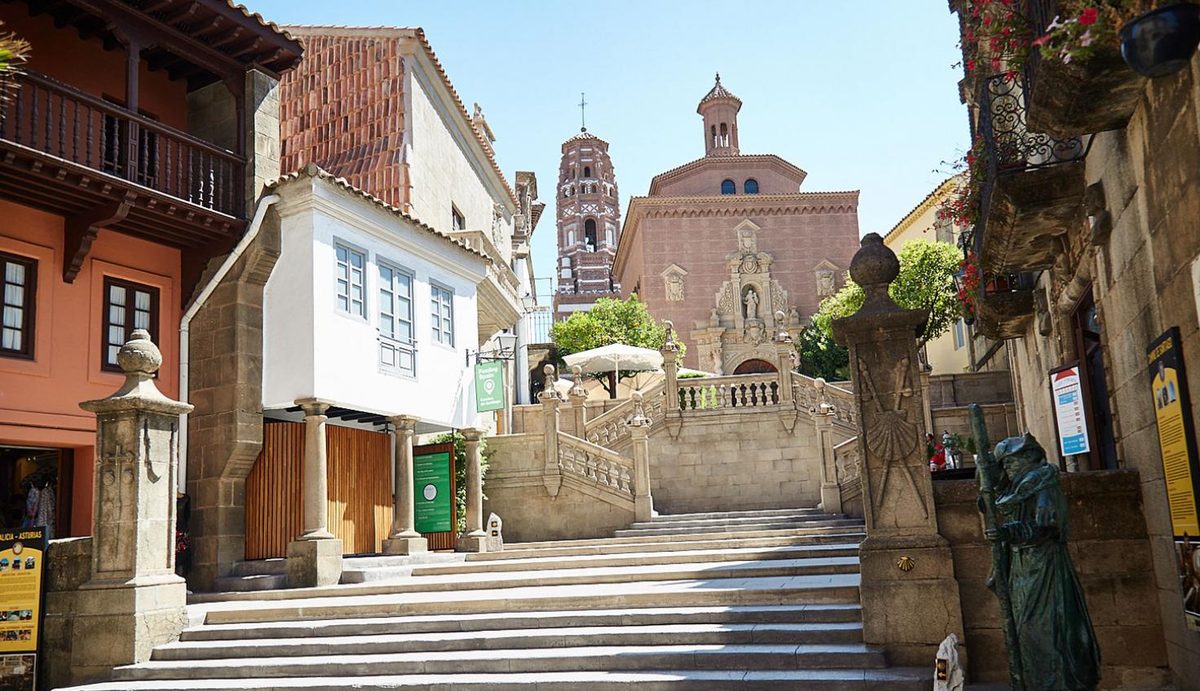
Barcelonalıların bile bazen gözden kaçırdığı, ama kesinlikle kaçırılmaması gereken bir nokta var. Poble Espanyol. Montjuic Tepesi’nin üzerinde, adeta şehir manzarasıyla yükselen bu açık hava müzesi, benim kişisel listemdeki en üst sıralara sıkışmış durumda. 1929 Dünya Fuarı (EXPO) için Katalan mimar Josep Puig i Cadafalch tarafından tasarlanmış bu köy, sadece mimari bir serüven değil, aynı zamanda bir zaman makinesi.
42.000 metrekarelik bu devasa alanda, İspanya’nın dört bir yanından 116 farklı yapıyı tek bir yerde görüyorsunuz. Aragon’dan bir dini yapının, Endülüs stilindeki bir meydanla yan yana durduğu nadir yerlerden biri burası. Kültür ve yaşam tarzı, ziyaretçilere doğrudan, dokunarak hissettiriliyor.
Teknoloji, Sanat ve El Sanatları Buluşma Noktası
Poble Espanyol’u sıradan bir turistik mekan olmaktan çıkaran şey, burada sadece binaları izlemiyor olmanız. 40 atölyede yerel zanaatkârlar halen çalışıyor. Seramikçi, demirci, dantel dokuyan… Bunların hepsi canlı. Yanında kafeler, restoranlar ve hatta bir Flamenko kulübü var.
Nasıl gidilir? Metro veya otobüsle Montjuic’e ulaşmak kolay. Ama asıl önemli olan, ne zaman gideceğiniz. Yaz aylarında kalabalık olur. Sonbahar veya ilkbahar, ışık açıktır, avlularda oturmak keyiflidir. Giriş ücreti değişkenlik gösterse de, genellikle yaklaşık 13-14 euro civarındadır. Çocuklar ve öğrenciler için indirimler mevcuttur.
“Burada sadece izlemeyin. Zanaatkârlarla konuşun, kokuları alın, sesleri dinleyin.”
Hangi Bölgeyi İlk Görmeli?
Hangi İspanyol bölgesini önce gezeceğiniz sorusu, aslında en az iki kişi arasında değişen bir tartışma konusudur. Bazıları Kastilya’nın o ağırbaşlı sokaklarını tercih eder. Bazıları ise Andalusia’nın o sarı ve mavi tonlarına kapılır. Tavsiyem? Kaybolun. Haritaya takılmayın. Her sokağın bir hikayesi vardır.
Poble Espanyol, sadece bir yer değil. Bir duygu. Ve Barcelona’dan ayrılırken, aklınızda kalan son görüntü olursa güzel olur.
Barcelona’nın tepeleri arasında en çok tırmanılan ve en çok övülen yer şüphesiz Tibidabo. Şehrin en yüksek noktası olan bu tepe, sadece coğrafi bir zirve değil, aynı zamanda şehrin tarihine ve oyun kültürüne bir kapı. Poble Espanyol’dan buraya nasıl gidildiğini, tepedeki yapıları ve neden kesinlikle görmemiz gerektiğini aşağıda detaylandırdık.
Tibidabo’ya Nasıl Gidilir?
Önce lojistiği halledelim. Poble Espanyol’u ziyaret ettikten sonra Tibidabo’ya geçmek mantıklı bir rotadır. Şehrin kalabalığından sıyrılıp yukarı çıkmak için birkaç seçeneğiniz var:
- Teleferik (Telefèric de Montjuïc-Tibidabo): Bu, sadece ulaşım aracı değil, bir deneyim. Montjuïc’ten başlayarak havada süzülerek Tibidabo tepesine ulaşırsınız. Şehrin çatıları, liman ve deniz manzarasıyla birlikte size eşlik eder. Biletleri önceden almanız akıllıca, çünkü sıraya girmek zaman alabilir.
- Otobüs: H3 veya V15 hatları ile şehrin çeşitli noktalarından veya Poble Espanyol yakınından doğrudan tepeye çıkabilirsiniz. Daha ucuzdur ama trafiğe takılma riskiniz vardır.
- Araçla: Kendi aracınızla gidebilir ve tepe başındaki büyük otoparka park edebilirsiniz. Ancak hafta sonları yer bulmak bazen zorlaşabilir.
“Tibidabo’ya tırmanmak, Barcelona’yı yukarıdan izlemek için en iyi yoldur. Manzarayı hak etmek için biraz çaba harcamak gerekir.”
Tibidabo Tepesi: 512 Metre Yükseklikte Bir Zaman Makinesi
Tibidabo, Collserola Dağları’nın en yüksek noktasıdır. Rakımı 512 metredir. Buraya çıktığınızda, Barcelona’nın tüm çeşitliliğini tek bir bakışta görebilirsiniz. Kuzeydeki modern binalar, güneydeki deniz ve liman, doğudaki bulutlar… Hepsi orada.
Kutsal Yürek Kilisesi (Sagrado Corazón)
Tepenin zirvesinde duran göze çarpan yapı, 512 metrelik bu yüksekliğin sembolüdür. Kilisenin inşaatı 1902 yılında başladı. Modernist ve Neo-Gotik stillerin harmanlandığı bu yapı, tamamlanana kadar 60 yıl sürdü. Yani inşaat 1960’ların sonlarına kadar devam etti.
Kiliseyi görmeden tepeden inmek olmaz. İçeri girmek ücretsizdir. İç mekan, dışarıdan beklenenden daha sade ve etkileyicidir. Tırmanış sizi yorar ama kilisenin
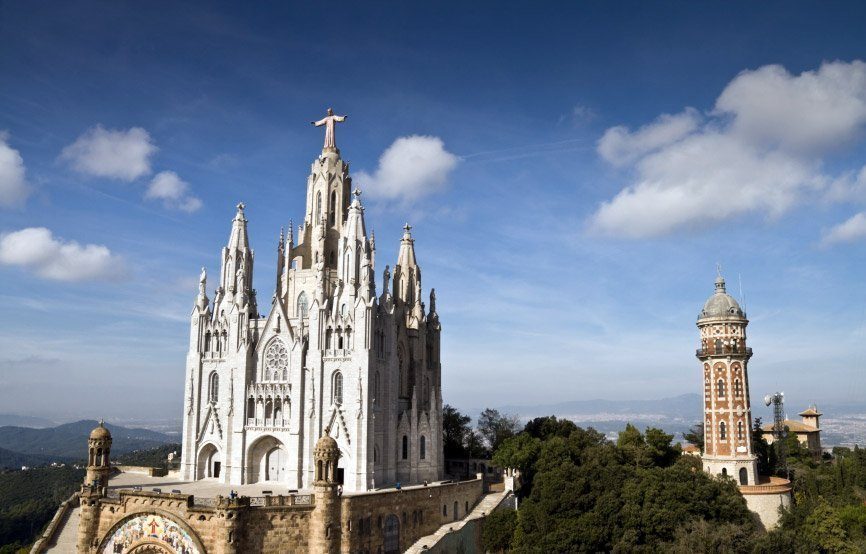
Tibidabo tepesi gibi hem doğanın hem de eğlencenin bir arada olduğu yerler sizi cezbediyorsa, Montjuic’e yönelmeniz gerekir. 173 metrelik rakımıyla şehre hakim olan bu tepe, sadece manzara için değil, kültürel derinliği için de durmanız gereken bir nokta.
Montjuic’e Nasıl Ulaşılır?
Montjuic’e ulaşım konusunda iki ana seçeneğiniz var. İlk olarak Tibidabo Nasıl Gidilir? sorusuna benzer mantıkla, Montjuic Nasıl Gidilir? diye düşünüyorsanız, metro en pratik yoldur. L1 veya L3 hattını kullanıp Poble Sec istasyonuna inin. İniş yaptığınızda karşınıza devasa bir merdiven çıkıyor. Onu çıkıp biraz yürümek gerekiyor ama o yürüyüşün sonunda sizi bekleyen manzara ve hava, tırmanmanın değerini kanıtlıyor. Alternatif olarak, Funicular de Montjuic adlı funikülere binerek de tepeye çıkabilirsiniz. Bu, özellikle zamanınız kısıtlıysa veya yürümek istemiyorsa ideal bir çözüm.
Tarihin Katmanları: Kale ve Olimpiyat Mirası
Tepenin adı üzerinde bulunan eski Musevi mezarlığından geliyor. Bu mezarlık ziyarete açık olmasa da, tepeyi farklı kılan detaylardan biri. Asıl odak noktanız ise kale olmalı. Castell de Montjuic, geçmişte birçok kritik olaya tanıklık etmiş stratejik bir nokta. Günümüzde içinde askeri müze faaliyet gösteriyor. İçeri girip o tarihi duvarları hissetmek, şehrin savunma tarihinin ipuçlarını yakalamak için kaçırılmamalı bir durak.
Kaleden indiğinizde veya tepe üzerinde dolaşırken Olimpiyat Köyü’ne göz atın. 1992 Barcelona Olimpiyatları’nın kalbi burada atıyordu. Stadyumun mimarisi ve etrafındaki düzenleme, şehrin o yıllardaki dönüşümünün en somut kanıtı.
Sanat ve Huzurun Adresi: Mezarlık ve Heykeller
Montjuic’te kaleden sonra rotanızı değiştirmek isterseniz, mezarlık yönüne kayın. Tamamen ziyaret edilebilir olmasa da, dışarıdan bakıldığında veya belirli alanlardan izlendiğinde etkileyici. Ancak buradaki asıl sürpriz, mermer heykelleri ve vitraylarıyla ün kazanmış yapılar. Özellikle katedralin vitrayları, ışığın geçiş biçimiyle adeta bir sanat eseri gibi duruyor. Bu detaylar, sadece bir mezarlık değil, aynı zamanda bir açık hava sanat müzesi havası veren Montjuic’in ruhunu yakalamanızı sağlar.
Montjuic, Tibidabo’ya göre daha erişilebilir, daha tarihi ve biraz daha huzurlu. Eğer Tibidabo’ya tırmanmak fiziksel bir maceraysa,
Plaça de Catalunya: İskeleten Nasıl Gitmeli
Barcelona’nın kalbi burada atıyor. Eski şehirdeki La Ribera, El Raval ve Barri Gotic ile modern Eixample bölgesini birbirine bağlayan bu devasa meydan, günün her saatinde yoğun bir enerjiye sahip. Sadece bir geçiş noktası değil, şehrin ana arteri.
Buraya ulaşmak için toplu taşıma en pratik seçenek. Metronun L1, L3, L6 ve L7 hatları Plaça de Catalunya istasyonunda kesişiyor. Bu, şehrin her noktasından – özellikle de limandan veya havaalanından gelenler için – merkeze inmenin en hızlı yolu. Otobüslerin çoğu da buraya uğruyor. Taksimetrese bu, merkezdeki en ana durağa kadar olan yolculuğun başlangıcı anlamına geliyor.
“Plaça de Catalunya, sadece bir kesişim noktası değil; şehrin eski ve modern kimliğinin buluştuğu, hem yerel hem de turist akışının en yoğun olduğu ana üs.”
Meydanın etrafındaki alışveriş olanakları da dikkat çekici. Passeig de Gracia, La Rambla ve Portal de l’Angel gibi ikonik caddeler buradan başlıyor. Saatlerinizi burada harcayarak, lüks vitrinlerden sokak lezzetlerine kadar her şeye ulaşabilirsiniz. Ancak dikkat: kalabalık, özellikle öğleden sonra zirve yapar. Eğer sessiz bir yürüyüş arıyorsanız, sabah erken saatlerde gelin.
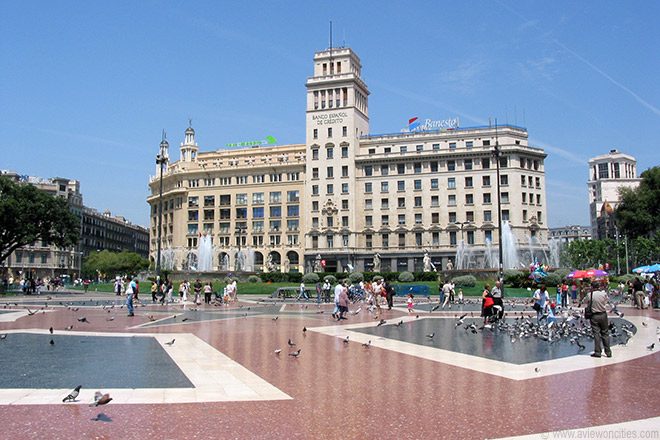
Plaça de Catalunya’da kaybolduğunuzu sandığınız anda, Barselona’nın kalbi sizi karanlıkta ve büyüleyici bir şekilde bekliyor. Sokağa çıkıp kuzeye, Gotik Mahalle’ye (Barri Gotic) doğru yürümek sadece bir ulaşım değil, zaman yolculuğu.
Barselona Katedrali’ne Nasıl Gidilir?
Plaça de Catalunya’dan yürüyerek gitmek en temiz seçenek. Yaklaşık 10-15 dakika sürer. Metro ile gidecekseniz, Catalunya istasyonundan çıkıp Direcció General de la Funció Pública binasına doğru ilerleyin. Solunuzda geniş bir meydan, sağınızda ise sokaklar. Bu sokaklardan biri sizi katedrale götürecek. Alternatif olarak, Liceu veya Jaume I istasyonları da yakında. Ama yürümek daha iyi. Sokaklar sizi beklenmedik köşelerde durmaya zorlayacak.
“La Seu”: Başpiskoposluk’un Kalbi
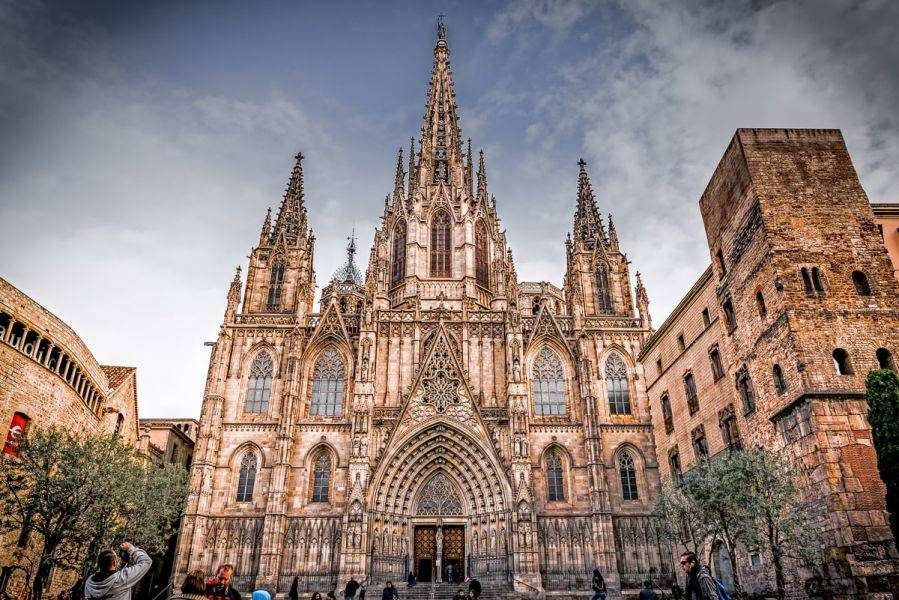
Katedralin resmi adı Barselona Katedrali. Ama locals ve eski kayıtlar onu “La Seu” (Taht) diye anıyor. Neden? Çünkü bu sadece bir kilise değil, başpiskoposun merkezi. Tarih katmanları burada görünür. Önce Roma tapınağıydı burası. Sonra Vizigot bazilikası. Sonra cami. Sonra kilise. Her defasında toprak temizlenip yeniden inşa edildi. 14. yüzyılda II. Jaume’nin emriyle ciddi bir yapılaşma başladı. Ama esas dikkati çeken detay, cephenin Fransız mimar Charles Walters’ın 1408 tarihli planlarına sadık kalınarak tasarlanması.
Cephedeki detaylar göz alıcı. Ama içeri girdiğinizde asıl şok yaşanır. İçerisi karanlık. Yüksek tavanlar. Gotik mimarinin o ağır, heybetli havası. Şapellerin her biri farklı bir azizeye veya azizeye adanmış. Hangi şapel hangi azize? Karışık. Ama etkisi güçlü. Orta Çağ ile Rönesans üslupları burada iç içe geçmiş. Uyumlu bir kaos.
İç Mekan ve Detaylar
Girişte sizi Hz. İsa ve 12 Havari’nin tasvirleri karşılıyor. Bu detay, katedralin dini işlevini ve sanatsal derinliğini aynı anda vurguluyor. Her şapel, kendi hikayesini anlatıyor. Bazıları daha sade. Bazıları altın varaklarla dolu. Ziyaretçiler genellikle iç mekanın büyüklüğüyle şaşırıyor. Özellikle gotik kemerler ve sütunlar, mekânın boyutunu abartıyor.
Giriş ücretsiz mi? Genellikle hayır. Bazı şapellere giriş ücretsiz olabilir ama ana alana erişim için bilet almanız gerekebilir. Fiyatlar
Getting to the Cathedral and the Miro Museum
You are walking through the Gothic Quarter, stone walls closing in on either side. The air smells of old brick and roasting coffee. Then you see it. The cathedral’s facade isn’t what you expect. It looks unfinished. Bare.
Why is that?
Construction stalled in the mid-19th century. Money ran out. The city couldn’t afford to finish it to the original neoclassical specs. So they stripped it back. The result is a weird, beautiful hybrid of Gothic bones and empty, windswept spaces. It’s not a mistake. It’s a feature.
How to get to the cathedral
You don’t need a taxi. You don’t need a tour guide. You walk.
Start at Plaça de Catalunya. Head down La Rambla. Keep going until you hit the ocean breeze. Turn left. Walk along the waterfront past the Columbus Monument. Then cut inland toward the old city. The cathedral sits right in the heart of Barri Gòtic. It’s about a 15-minute walk. Or take the metro to Jaume I or Liceu stations. Either way, you’re there.
The square in front, Plaça de la Seu, is quiet. Too quiet for Barcelona. People sit on the benches. They watch the pigeons. They look up at the strange, bare towers.
Inside, it’s cool. Dark. The light filters through stained glass that’s more vibrant than the stone surrounding it. There’s a cloister. It’s peaceful. You can hear your own footsteps.
Joan Miró Foundation
After the cathedral, you need to move. Not far. But different.
The Fundació Joan Miró is on Montjuïc hill. It’s not in the old city. It’s up high. You take the funicular or a bus. The climb is worth it.
This museum isn’t just about Miró. It’s about how he thought.
The building itself is designed by Josep Lluís Sert. Sert worked with Le Corbusier. The structure is white. Clean. Minimalist. It contrasts with Miró’s wild, colorful canvases. The contrast is intentional.
Miró donated thousands of works. Paintings. Drawings. Sculptures. Ceramics. The collection spans his entire career. You start with the early, darker works. You end with the large-scale murals. The progression is clear. The evolution is visible.
Why visit the Joan Miró Foundation?
Most museums show you the finished product. This one shows you the process.
You see the sketches. The rough drafts. The mistakes. Miró was a surrealist. But he wasn’t chaotic. He was precise. The museum captures that precision.
The building is a cultural hub. It’s not static. You’ll find film screenings. Lectures. Children’s theater. It’s alive.
Practical details
- Cost: Miró Foundation is around €14 for adults. The cathedral is free, but donations are welcome.
- Timing: Go to Miró late afternoon. The light is soft. The crowds thin out. The cathedral is best in the morning. It’s cooler. Quieter.
- Logistics: The Miró museum is
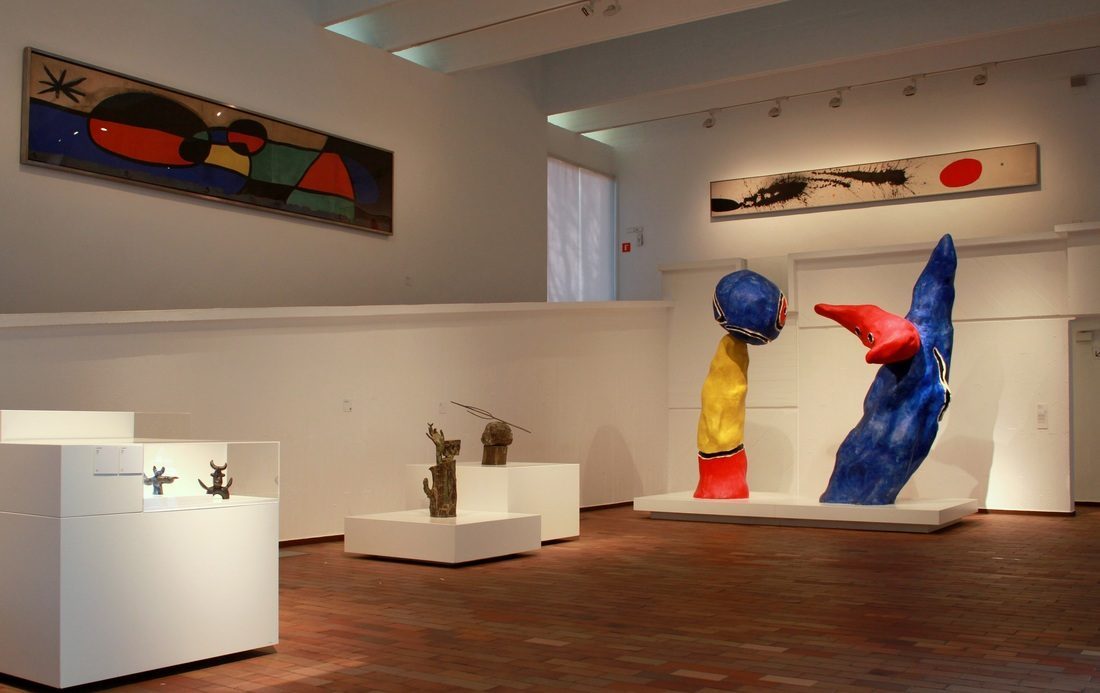
Joan Miró Müzesi’ne nasıl gidileceği konusunda kafanız karışık olabilir. Aslında rota basit. Önce kentin kültürel damarlarına dokunun. Sonra buraya gelin.
Katalan Modernizmi’nin Kalbi
1908’de açılan bu mekân sadece bir konser salonu değil. UNESCO Dünya Mirası listesine girmesi, değerin ne kadar yüksek olduğunu gösteriyor. İçerisi o kadar detaylı ki, sadece müziği dinlemek için değil, mimariyi incelemek için de var.
Nasıl gideceğinize gelirsek. Metro en hızlı yol. L3 veya L5 hatlarını kullanın. Catalanya durağı tam kapının önünde. Otobüsle gelmeyi tercih edenler için 59, D50 ve V15 hatları da hizmet veriyor. Taksi daha konforlu ama şehir trafiğinde zaman kaybedebilirsiniz.
Neden Vazgeçilmemeli?
Modernist mimarinin zirvesi. Glau Gaudí’nin etkileri hissediliyor ama bu kendi başına bir şaheser. Pencereler cam kiliseler gibi. Çatı kaplamaları renkli. Her detay el işçiliğiyle yapılmış gibi duruyor.
Giriş biletleri önceden alın. Özellikle yaz aylarında kuyruklar uzun. Sahne arkası turları ekstra ücretli ama değer. Burası sadece bir mekan değil. Bir zaman makinesi.
Pratik Bilgiler
- Adres: Palau de la Música Catalana, Palau de la Música, 4-6, 08003 Barcelona
- Ulaşım: Metro L3/L5 (Catalunya)
- En İyi Zaman: Akşam saatlerinde sahne ışıkları daha etkileyici
- Bütçe: Giriş yaklaşık 20-25€, saha arkası tur ek olarak 10€
Burayı ziyaret etmek, Barcelona’nın ruhunu anlamak için bir anahtar. Miró’ya giden yolun yarısı buradaki nefeslerde saklı.
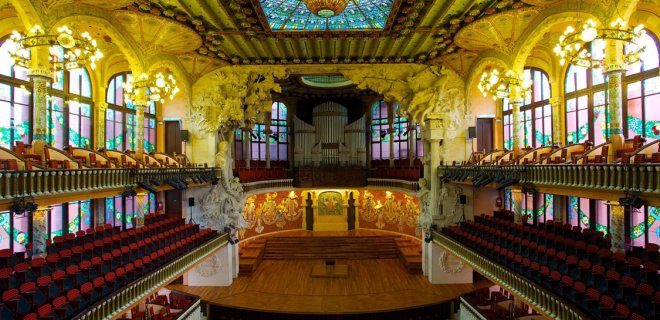
You walk into a space that feels less like a concert hall and more like a cathedral dedicated to sound. The air is thick with history here. Busts of Bach and Beethoven line the walls—silent witnesses to the classical roots that underpin everything. It’s a grounding moment. The architecture shifts from traditional reverence to something far more chaotic and vibrant. Modernist design takes over. You look up and the ceiling explodes in color.
Palau de la Música Catalana isn’t just a venue. It’s a visual assault in the best possible way. The mosaics are everywhere. Floral patterns twist around stained glass. Ceramic work glints in the light. It’s dense. Detailed. Overwhelmingly beautiful. This is why it draws the biggest crowds in Barcelona. If you want to understand Gaudí’s contemporaries, this building is the answer.
Palau de la Música Catalana: How to Visit Without Losing Your Mind
Getting here requires a tiny bit of strategy. The venue sits in the Sant Pere neighborhood, near the old Jewish Quarter. It’s close to the Liceu metro stop, but the crowds can be thick.
- Best time to visit: Early morning or late afternoon if you want photos without the selfie sticks.
- Entry: You can take a guided tour if you aren’t catching a concert. It’s shorter, cheaper, and gives you the architectural context.
- Cost: Tours run around €19. Concert prices vary wildly depending on the orchestra.
The interior feels like stepping into a stained-glass jewel box. Don’t just look at the stage. Look up. The skylights alone are worth the ticket price.
Booking ahead is non-negotiable. These spots fill up weeks, sometimes months, in advance. If you’re planning a trip, lock this in early. It’s not just about seeing music; it’s about seeing how Catalan identity was carved into stone and glass.
Guell Park
Leaving the dense, ornate interior of the Palau, you head up to Gràcia. The streets widen. The vibe loosens. Here lies Park Güell.
This isn’t just a park. It’s a public housing project that failed, which somehow turned into the most iconic spot in the city. Gaudí’s vision was to create a garden city for the wealthy. It didn’t work. The land was too steep. The houses were too expensive. But the public spaces—the mosaics, the serpentine bench, the dragon staircase—remain.
The cost to enter is roughly €10. Yes, you pay to enter a public park. But the permit system controls the flow. Without it, you’re walking around the chaotic edges. With it, you get to the Heart of Gaudí.
- The Dragon Staircase: Covered in trencadís (broken tile mosaics). Slippery when wet. Watch your step.
- The Colonnade Hall: 86 Doric columns. They look like a Greek temple, but they’re holding up a plaza above. It’s structural engineering disguised as art.
- The Bench: The famous curvy bench that wraps around the view of the city. It’s long. It’s comfortable. It’s packed with tourists.
Timing matters here. Go right when it opens. Or wait until the last hour. Midday
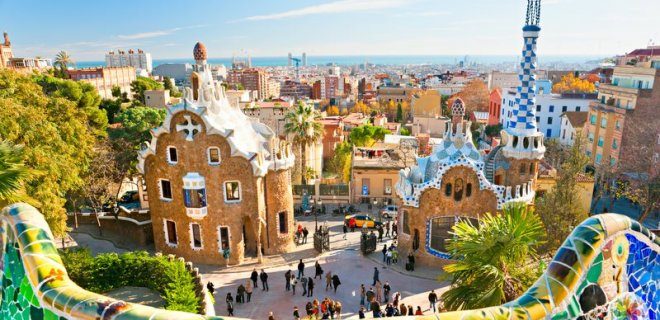
- yüzyılın başında, Barcelona’nın kalabalık bir semtinde, Eusebi Güell’in girişimiyle inşa edilen bu park aslında bir hediye. Şehrin insanlarına armağan edilen bu yeşil alan, bugün sadece bir park değil, kentsel bir sanat eseri. Burada iki temel yapı öne çıkıyor. Çatıları tuhaf, organik şekillerde. Birinde yükselen kule ise izleyenleri büyülüyor. Buradan manzara başka türlü görünüyor. Turistlerin fotoğraflarının çoğu burada çekiliyor.
Gaudí’nin Mimari Mirası ve Park Güell Tarihçesi
Park Güell, Antoni Gaudí’nin en ikonik eserlerinden biri. Başlangıçta zengin bir aile için özel bir yerleşim yeri olarak tasarlanmıştı. Proje başarısız oldu. Çok az kişi taşındı. Ama Gaudí’nin vizyonu, bu başarısızlığı bir sanat müzesine dönüştürdü. Bugün park, UNESCO Dünya Mirası listesinde.
Mimari detaylara bakın. Çatılar eğri. Tuhaf. Doğadaki formları taklit ediyor. Bu, Gaudí’nin imzası. Kule, parkın en yüksek noktasında duruyor. Tepeden Barcelona’nın tepelerine ve denize bakmak nefes kesici. Ama sadece manzara değil. Mozaikler. Renkli parçalar. Trencadís tekniği kullanılmış. Kırık seramik parçalarından oluşan bu mozaikler, güneş altında parlıyor.
Park Güell’e Nasıl Gidilir?
Şehir merkezinden ulaşım kolay. Ama plan yapmanız şart. Park çok kalabalık.
- Metro: L3 hattını kullanın. Lesseps veya Les Corts istasyonlarında inin. Lesseps’ten daha yakın ama daha dik bir yol var.
- Otobüs: 24, 92, V15 hatları parkın yakınından geçiyor.
- Yürüyüş: Gracia bölgesinden yukarı yürüyüş keyifli ama yokuş var. Rahat ayakkabı giyin.
Giriş ücreti var. Saatlik biletler sınırlı. Online rezervasyon yapın. Kapıda satılan biletler tükendiğinde, içeri giremezsiniz. Bu kural esnek değil.
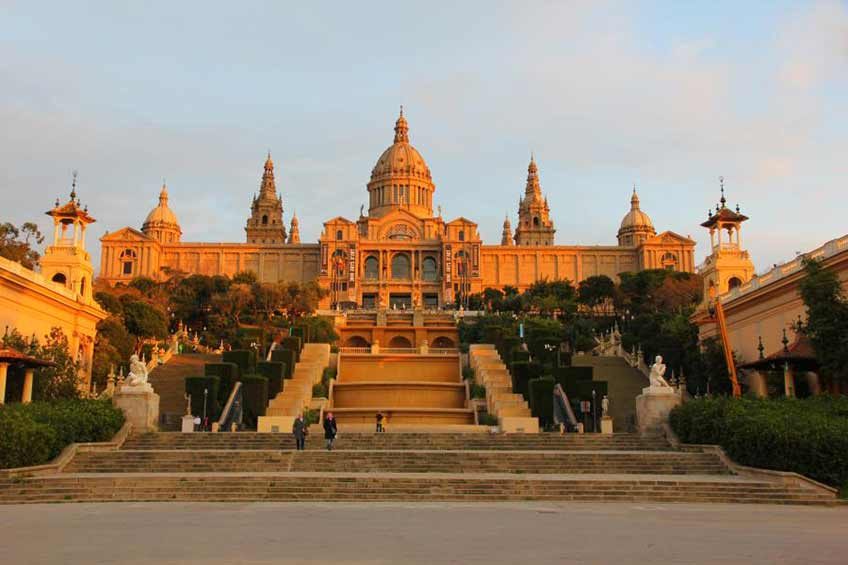
Katalanya Ulusal Sanat Müzesi (MNAC) ve Stratejik Ziyaret
Çoğu ziyaretçi sadece parka odaklanıyor. Ama hata yapıyorlar. MNAC, parka yürüme mesafesinde. Palau Nacional ’de yer alıyor.
“Park Güell’den sonra MNAC’a geçmek, sanat tarihini iki farklı çağda yaşamanızı sağlar.”
MNAC, Romanesk ve Gotik sanat eserlerini barındırıyor. Özellikle San Quirze ve Julita freskleri dikkate
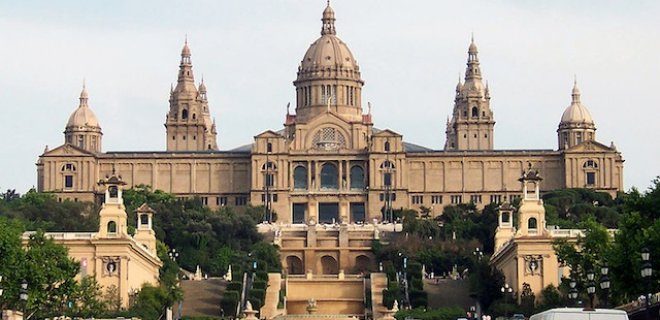
1800’lerin sonunda yükseltilen bu devasa yapı, 2004 yılından bu yana kapılarını müze olarak açıyor. Hem dış cephesi hem de iç mekanları tarihin tozlu sayfalarından inmiş gibi duruyor. Katalunya Ulusal Müzesi’nin mimarisini ve içindeki sanat eserlerini gören herkes büyüleniyor. Burada sadece tablo yok. Şehrin önde gelen sanatçılarına ait çizimler, o döneme ait dekoratif parçalar, nadide madeni paralar ve madalyalar da koleksiyonlarda yerini alıyor.
Binanın kendisi bir sanat eseri. Saray gibi görünüyor. Bir katedralin ihtişamını taşıyor. Ziyaretçiler için burası sadece bir müze değil, zaman makinesi.
MNAC’ya Ulaşım: Montjuïc Dağına Çıkış
Katalunya Ulusal Sanat Müzesi’ne gitmek için öncelikle şehrin kalbinden Montjuïc Tepesi’ne tırmanmanız gerekiyor. Bu tırmanış, rotanızın ilk adımı.
Katalunya Meydanı buranın başlangıç noktası. Buradan başlayarak iki ana yol var.
- Bilbao Köprüsü: 2010’da açılan bu modern köprüyü kullanarak tepenin zirvesine yürüyebilirsiniz. Manzara için güzel bir başlangıç.
- Historik Asansör: Daha az yorucu bir seçenek. Katalunya Meydanı’ndan geçen Funicular de Montjuïc ile aşağıdan yukarıya çıkılıyor.
Tepenin tepesine vardığınızda, binayı göreceksiniz. Çift merdivenli cephedeki aslan heykelleri sizi karşılıyor. Bu aslanlar, müzenin sembolü. Onları görmek için bilet bile gerekmez. Merdivenler geniş. Yürümek keyifli.
“Buraya geldiğinizde, önce binanın büyüklüğü sizi sersemletecek. Sonra içerideki sanat sizi etkileyecek.”
İç Mekan: Romanesk’ten Modernizme
Müzenin içinde gezinirken zamanı kaybedeceksiniz. Koleksiyonlar katlar arasında değişiyor.
- Romanesk Sanatı: İlk kattaki en önemli hazine. 11. ve 12. yüzyıllara ait freskler. Bunlar orijinal duvar resimleri değil. Kuzey Katalanya’daki küçük kiliselerden sökülüp buraya getirilmiş. Renkleri hala canlı. Altın detaylar göz alıcı. Bu freskleri görmek için müze içinin en eski kısmına iniyorsunuz.
- Gotik ve Rönesans: Üst katlara çıktıkça sanat akımları değişiyor. İspanya ve Avrupa’dan önemli eserler sergileniyor.
- Modernizm: 19.
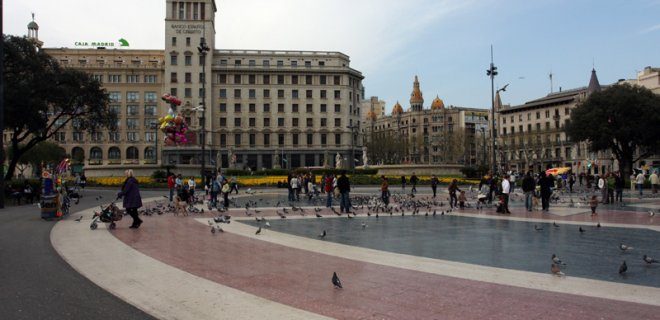
Getting to Plaza de Cataluña
If you are standing in the middle of it, you already know the drill. This isn’t just a square. It is the pulsating heart of Barcelona. Covering roughly 50,000 square meters, the plaza has a history that stretches back to the 19th century. It hasn’t stayed static though. Restoration projects have kept it fresh, but the vibe remains consistent. It is a space designed for gathering. You will find everything from street performers to political rallies here. It is never empty. The energy shifts with the sun, but the crowd never truly leaves.
The architecture surrounding it does half the heavy lifting. Historic buildings frame the open space, offering a backdrop that feels timeless. Then there are the cafes and high-end restaurants lining the perimeter. They invite you in. You sit, you watch the chaos unfold, and you realize why this spot has survived so many changes.
Finding Your Way There
Getting to Plaza de Cataluña is straightforward because it is hard to miss. It sits right at the top of Las Ramblas, the city’s most famous thoroughfare. If you are coming from the port, walk up the main drag and you will end up here. For those arriving by public transport, the metro is your best friend. The L1 and L3 lines both terminate at the Cataluña station, dropping you directly into the square’s underbelly. It is a hub for buses too. Anywhere you are in the city center, you can likely catch a ride that deposits you within a hundred meters of the fountain.
Where to Eat and Drink in Barcelona
Food in Barcelona is not an afterthought. It is a point of pride. The cuisine reflects the broader Catalonia region, which means seafood is king and local produce is taken seriously. You are not just eating dinner; you are engaging with a culture that values slow meals and bold flavors. When you ask where to go, the answer is rarely chain restaurants. Look for places with character.
Casa Lolea and the Search for the Perfect Sangria
Let’s talk about sangria. Not the sugary, artificial stuff you might buy in a tourist trap bottle. We are talking about the real deal. Casa Lolea on Carrer de Sant Pere Més Alt has mastered this. The staff there are friendly, the atmosphere is relaxed, and the drinks are iconic.
Their version of sangria became so popular that you now see their branded bottles in supermarkets and even at the airport. Seeing those cans or bottles in random places is proof of their reach. But the experience in the restaurant is different. It is where the magic happens. You order the glass. You taste the fruit, the wine, the care. It is a small spot, so do not expect white-tablecloth service. You expect warmth. You expect flavor.
Address: Carrer de Sant Pere Més Alt, 49, 08003 Barcelona, Spain
Phone: +34 936 24 10 16
Beyond the Bottle
Why does this matter? Because travel is about consumption, but it is also about connection. Casa Lolea offers both. The location is slightly off the main tourist drag, which is a relief. It allows you to breathe. You are not being hustled. You are just sitting with a

Seafood spots near Casa Lolea: Getting there and what to eat
Wine rules Barscelona’s palate, but the cocktail scene is where things get complicated. You’ve got the classic Sangria—wine, vodka, orange juice, the whole fruit-bomb routine. But if you’re wandering away from that specific spot, you’re likely hunting for something with less sugar and more salt.
That’s where the seafood comes in.
If you are still lingering near Casa Lolea, looking for the best way to navigate to nearby seafood hubs, the logistics are straightforward. You aren’t far from the water. Most of the top-tier places are within a 10-15 minute walk if you know how to cut through the old city grid. Don’t rely on taxis for short hops in the Gothic Quarter. You’ll just get stuck in gridlock. Walk. It’s part of the experience. The cobblestones will test your balance, but you’ll arrive with an appetite.
Where to find the freshest catch in Barcelona
Once you move past the tourist traps serving frozen tuna on styrofoam, you need to know what’s actually worth your time. The city doesn’t lack options. It lacks discernment among tourists.
Look for places that prioritize the day’s catch over the menu’s aesthetics. In Barcelona, the seafood is fresh because it comes off the boats in Barceloneta or the nearby ports. If a restaurant is inland and claims “ocean fresh” without a direct supply chain, question it.
Key terms to look for on the menu:
– Gambas : Prawns. If they’re grilled, they should be simple. Lemon, salt, maybe a hint of garlic.
– Pulpo : Octopus. It should be tender. If it’s chewy, send it back.
– Fideuà : Think paella, but with noodles instead of rice. Often richer, more intense.
Prices vary wildly. A decent plate of mixed grilled seafood can run you 25-40 euros per person if you’re not ordering the whole spread. Avoid the places with plastic menu covers. They’re there for a reason. They’re trying to hide the fact that the daily special was rejected by the kitchen.
Timing is everything. Come late. Not at 7 PM when the locals are eating. Come at 9 PM. Or later. The kitchen starts firing when the crowd shifts. The food is better. The atmosphere is looser. You’re not competing with a business lunch crowd for the good cuts.
Is it expensive? Yes. But you’re paying for proximity to the Mediterranean. A plate of mussels, for instance, might cost more than a steak in other European cities. But the flavor profile is distinct. Briny, sweet, clean.
Don’t just eat. Watch how they serve it. In Barcelona, presentation matters, but substance matters more. Look for the steam rising off the shellfish. It’s a sign of heat. Of freshness. Of a place that turns over inventory fast.
There’s a specific rhythm to dining here. It’s not rushed, but it’s not idle. You order, you wait, you eat, you talk. The night stretches out. The wine bottle empties slowly. And you’re left wondering if you’ll ever find another place that balances the chaos of
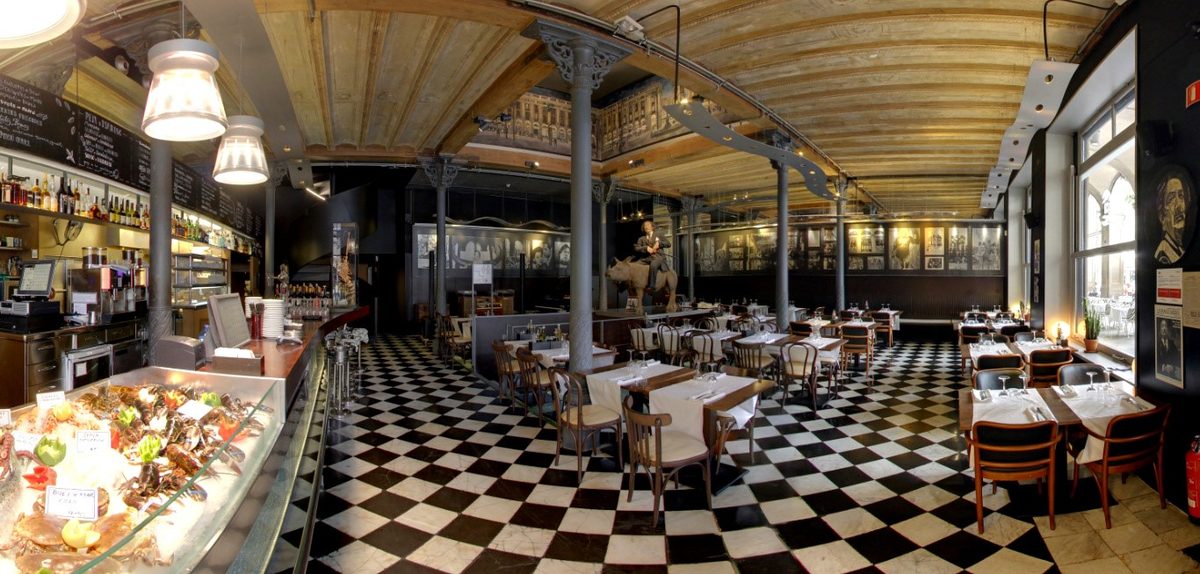
Plaça Reial, sadece bir meydan değil, Barcelona’nın kalbinde atılan bir nabız. Burası Gran Cafe Espanyol’un hayalet gibi durduğu, daha sonra Pedagojik Doğal Bilimler Müzesi’ne ev sahipliği yaptığı ve hatta bir tahnitçilik atölyesi olarak kullanıldığı tarihi bir düğüm noktası. Mimariye saygı duyanlar için bu mekan, sadece yemek yenen bir yer değil. Yüksek tavanlı, eklektik manzaralı geniş ve açık bir mekân sunuyor. Dışarıda kalmak mı istiyorsun? Gaudi tarafından tasarlanan o ikonik lamba direklerinin altında, Plaça Reial portrelerinin gölgesinde yemek yemek de bir seçenek.
Marisco Reial yılın her günü kapılarını açıyor. Deneyimli bir gezgin olarak, sezonluk yerlerin kapandığı veya kalitesinin düştüğü zamanlarda bile burası tutarlı. Atmosfer kozmopolit. Deniz ürünleri ve mevcut lezzetlerin olduğu balıklar öne çıkıyor. Akdeniz mutfağından gelen lezzetler misafirlerin beğenisine sunuluyor. Ürünler kaliteli ve taze.
Marisco Reial’da Hangi Yemekleri Denemelisiniz?
Spesiyaller arasında ıstakoz soslu pirinç var. Karides çorbası da listede yer alıyor. İklim kontrollü mahzeninde çok çeşitli şaraplar sunuluyor. Bu detaylar, sadece bir menü listesi değil. Bir deneyim vadeden detaylar.
Adres: Plaça Reial, 8, 08002 Barcelona, İspanya
Tel: +34 934 12 45 36
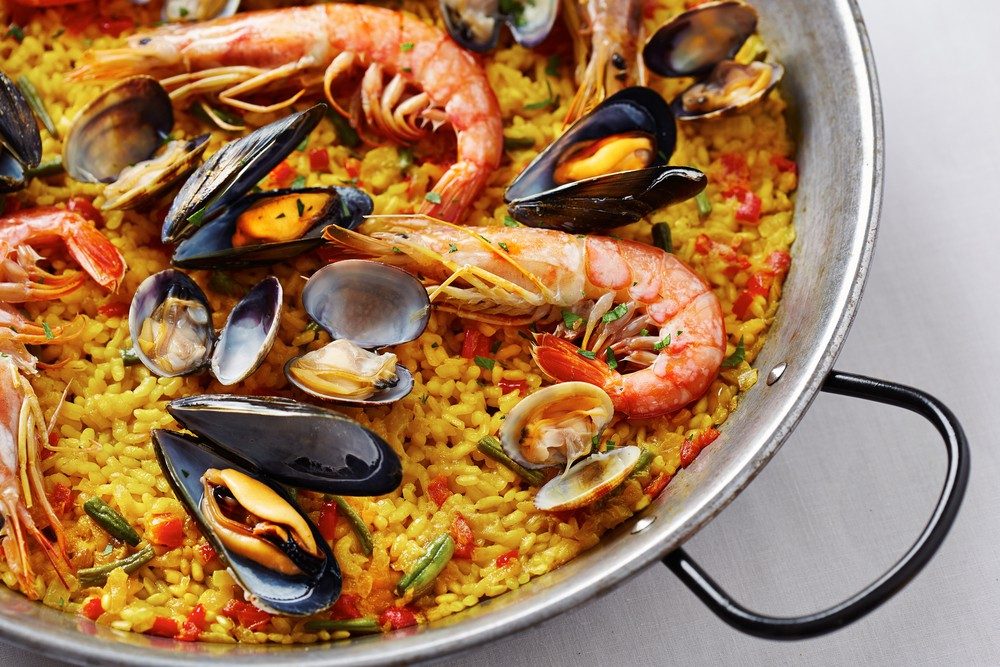
Where to eat fresh seafood in Barcelona
Barcelona’s coastline isn’t just scenery. It is a direct invitation to eat well, cheaply. If you are hunting for fish and seafood that won’t drain your wallet, the options are plentiful. You just have to know where to look.
Skip the tourist traps near the port. Instead, head inland.
Bar Lobo: A Central Stop for Tapas and Seafood
Sometimes you need a break in the middle of the city. You need something open. Bright. Real food.
Bar Lobo fits that bill. It sits in the heart of Barcelona. The space is airy. Natural light floods in. It is not a cramped cellar restaurant. It feels like a modern stopover.
They serve breakfast. Lunch. Dinner.
If you are passing through Plaça Catalunya or exploring the nearby Gothic Quarter, this is a logical pause. The menu changes with the day’s catch. You will find fresh tapas. Peix (fish) dishes. Standard Spanish fare done right.
The address is easy to find. It is on Carrer del Pintor Fortuny. Just off the main drag.
Address: Carrer del Pintor Fortuny, 3, 08001 Barcelona, Spain
Phone: +34 934 81 53 46
The key is to eat like a local. That means fresh ingredients, bright spaces, and prices that make sense.
How to Find the Best Deals on Seafood
Why do restaurants near the water charge more? Because they can.
Look for places that source daily. Avoid menus with photos. Those are usually for tourists.
Check the time. Lunch specials often offer the best value. In Spain, lunch is a big deal. It happens between 1 pm and 3 pm. Dinner starts late. If you eat early, you pay less.
Which areas offer the best value?
El Raval. Gràcia. Poble Sec. Stay away from Las Ramblas if you care about your pocket.
Practical Tips for Eating Fish in Barcelona
- Check the market. La Boqueria is famous. But it is expensive for tourists. Go to Mercat de la Boqueria for inspiration. Then eat nearby.
- Ask for “menú del día”. This is the daily menu. It usually includes a starter, main, drink, and dessert. It is the cheapest way to eat well.
- Beware of “Mariscos” on every corner. Not all seafood is fresh. Look for clean tables. See the staff handling the fish. Trust your eyes.
- Timing matters. Dinner after 9 pm is standard. Before that, you might find fewer options or higher prices.
Barcelona is a city of layers. The sea is one. The food is another.
Don’t just look at the water. Eat it.
Where will you go next?
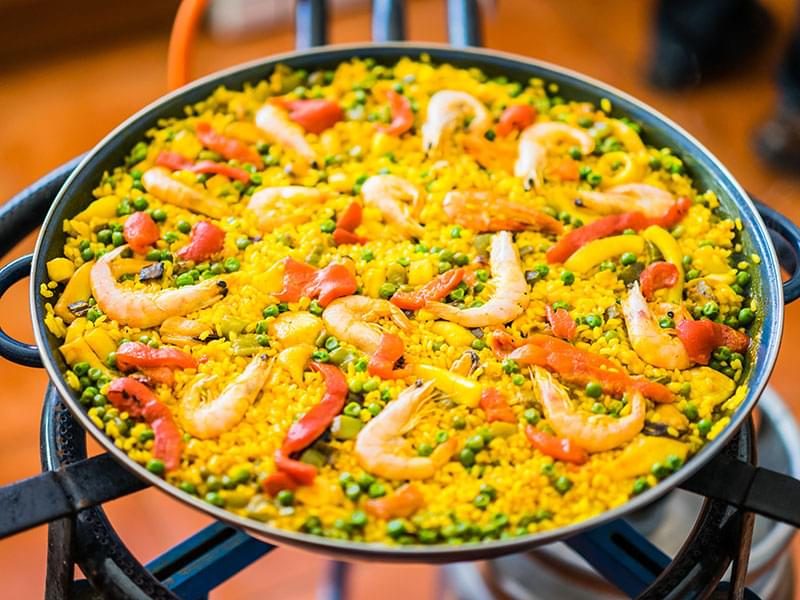
Paella. You think you know it. Toasty rice. Saffron. A crisp, caramelized bottom. But there is another side to the dish. A wetter side. The kind that clings to your spoon. When seafood takes center stage, the rice absorbs more liquid. It becomes softer. Almost porridge-like in its richness.
This is where Bar Lobo matters.
Not because it serves the driest rice in Valencia. But because it respects the wetter tradition. The kind that screams “seafood.”
How to Get to Bar Lobo in Valencia
You need to be in the right neighborhood. The old town can be a maze. Even with GPS. The alleys twist. Walls lean. If you rely solely on a screen, you’ll miss the vibe.
Start at the Central Market. It’s loud. It’s colorful. It smells like ripe fruit and raw fish. Walk north. Keep the cathedral spires in your sight. The streets narrow. You’ll pass artisan shops. Then you’ll see it. Not a neon sign. Just a modest entrance. Maybe a wooden bench outside.
The cost? Expect to pay for quality. Paella here isn’t cheap. You’re paying for the fresh seafood. Prawns the size of your hand. Mussels that still smell of the open ocean. The rice isn’t the only star. It’s the vehicle.
Timing is everything.
* Go early. 1:00 PM. Or risk it being gone.
* Go with friends. It’s a communal dish. Big pans. Shared spoons.
Don’t go if you want dry, separate grains. That’s not this paella. This is rich. This is saturated. The broth doesn’t evaporate completely. It stays. It coats.
Txapela Meets Gazpacho
Why pair these two? They shouldn’t work. One is hot rice. The other is cold soup.
But that’s the point.
After the heavy, saucy paella, your palate needs a reset. Enter the gazpacho.
It’s not just tomato water. It’s thick. Creamy. Often made with bread soaked in vinegar and olive oil. Chilled to near-freezing.
At Bar Lobo, or similar spots in Valencia, the contrast is deliberate.
* The seafood paella is briny. Salty. Warm.
* The gazpacho is acidic. Sweet. Cold.
It cuts through the richness. It refreshes.
Some places serve it in a small bowl. Others in a pitcher. You pour it over ice. Maybe add a splash of sherry. The texture should be smooth. No chunks. Unless you like them. But the traditional version is silky.
You don’t drink it with the paella. You drink it after. Or between bites.
The Logistics of the Wet Paella
Why does this version exist? It’s older, arguably. Before the rice varieties we have today were standardized. Before saffron became a luxury item for tourists.
In the marshlands of Albufera, the rice grew wild. It absorbed water differently. The cooks used what was around. Fish.
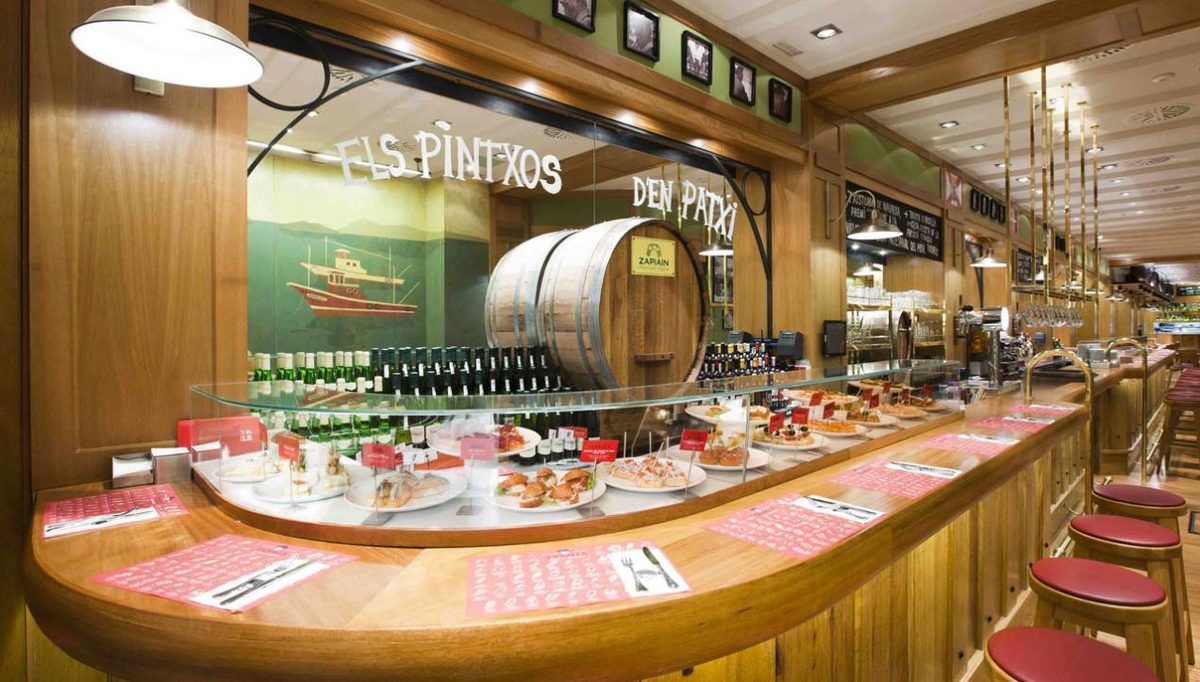
If you are on Passeig de Gràcia and your stomach demands serious attention, you stop at Txapela. It isn’t just a restaurant. It is a staple. The name alone signals Basque credibility in a city known for Catalan food. You want authenticity? You go here.
The vibe is immediate. It is lively. Friendly. The kind of place where you feel welcome even if you don’t speak the language. You have options for where to sit. The counter is quick. The main dining room is classic. But the terrace? That is for the Barcelona evenings. Cool air. Good wine. The food is just as good outside as it is in.
Why does this place stand out among the city’s hundreds of dining options? It is the balance of quality and atmosphere. They do not overcomplicate the menu. They focus on what works. The wines are selected to match the dishes perfectly. You are not guessing. You are tasting.
Where to find Txapela in Barcelona
The location is central. You cannot miss it if you are wandering the upscale avenues.
Address: Passeig de Gràcia, 58, 08007 Barcelona, Spain
Phone: +34 934 87 22 79
Is it worth the detour?
Consider your itinerary. If you are staying near the Gothic Quarter, a taxi or long walk is needed. If you are near Casa Batlló or La Pedrera, you are already there. The cost is mid-to-high range, typical for this neighborhood. But the portion sizes and quality justify the price.
Do not go for a snack. Go for a meal. Bring a bottle of wine. Stay late. The energy shifts as the night progresses. Locals know this spot. Tourists who know their food know this spot. It is a reliable anchor in a city that can sometimes feel overwhelming with choices.
You leave full. You leave happy. The only question is whether you have room for dessert. Probably not. And that is fine.
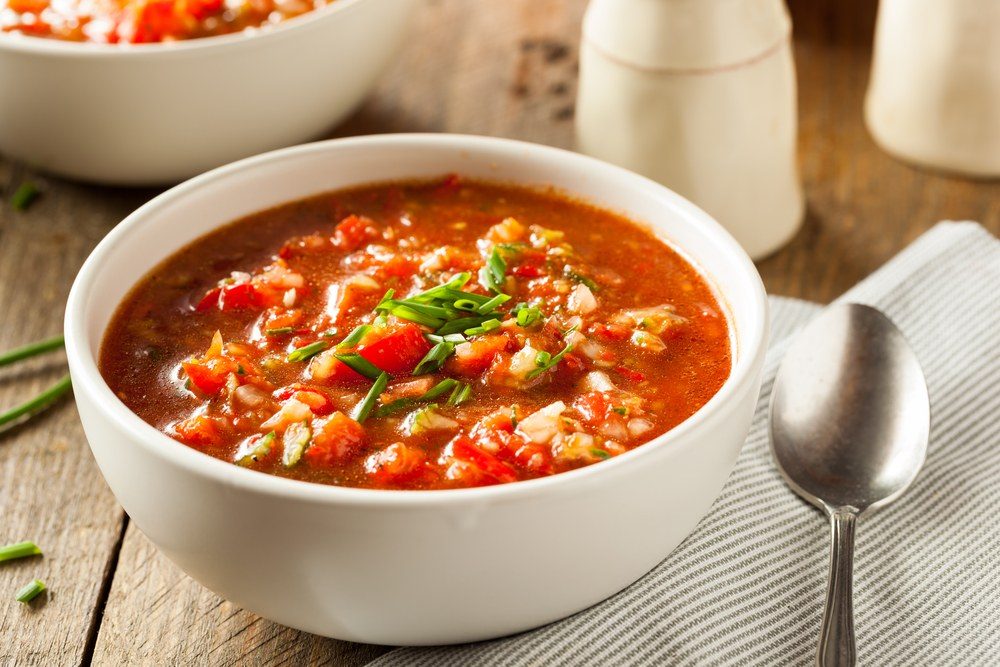
Soğuk çorba deyince akla gelen ilk şey Gazpacho olabilir. Ama İspanya’da, özellikle Barselona’da iş biraz daha derinleşiyor. Gazoacho, yerel dokuya inerseniz sadece bir çorba değil. Bir deneyim. İspanyolların favorisi. Soğuk. Nemli. Ağızda bıraktığı o domates, salatalık ve zeytinyağı uyumuyla sizi anında adaya hapsediyor. Ama doğru yeri bulmak, her zaman kolay olmuyor. Özellikle turistlerin kalabalık olduğu liman bölgelerinde, otantik lezzetlerin arka planda kaldığı durumlar sık görülür.
Port Vell Restaurant ~ Conil amb Cargols
Limanın kalbinde, Port Vell denildiğinde akla gelen ilk mekanlardan biri Port Vell Restaurant. Burası sadece yemek yenen bir yer değil. Görüntü de önemli. Teknelerin kayalardan süzülüşünü izlerken çatalınızı kaldırmanız, Barselona’yı kavrama biçiminizi değiştiriyor. Menüde geleneksel İspanyol lezzetleri öne çıkıyor. Taze deniz ürünleri. Yerel peynirler. Ve elbette, bahsedilen o meşhur soğuk çorba çeşitleri.
Buraya nasıl gidersiniz? Port Vell, yürüyerek ulaşılabilir. Plaça de Catalunya’dan aşağıya inerseniz, limana ulaşırsınız. Metro için L3 veya L4 hatlarını kullanabilirsiniz. Ya da taksiyi tercih edebilirsiniz. Şehir trafiği yoğun olabilir. Özellikle akşamüstü saatlerinde, liman çevresindeki yollar daralır. Planınızı buna göre yapın.
“Yemek sadece beslenmek değil. Ortamın bir parçası olmaktır.”
Bu cümle Port Vell’in ruhunu özetliyor. Tablo seçiminde pencerenin yanında oturma şansınız varsa, o fırsatı kaçırmayın. Işık gittiğinde, deniz mavisinin içine gömülen bir atmosfer oluşuyor. Yemekler bekliyor.
Diğer bir durak ise Conil amb Cargols. İsmi İspanyolca. “Kargolı” demek. Yani salatalık gibi taze bir dokusu var, ama içinde deniz kabukları da barındırıyor. Bu mekan daha çok yerel halkın tercih ettiği bir spot. Turist akınının az olduğu, ama lezzet arayışında olanlar için ideal. Konum olarak Port Vell’e yakın, ama farklı bir sokakta. İşaretleri takip etmek için dikkatli olun. Bazı zamanlar haritalar yanıltabilir. Yerel halkın girdiği kapılardan birini seçmek her zaman daha güvenli bir yol.
Neredeyse aynı bütçe aralığındasınız. Ama deneyim farklı. Port Vell’de görkem var. Conil amb Cargols’ta samimiyet
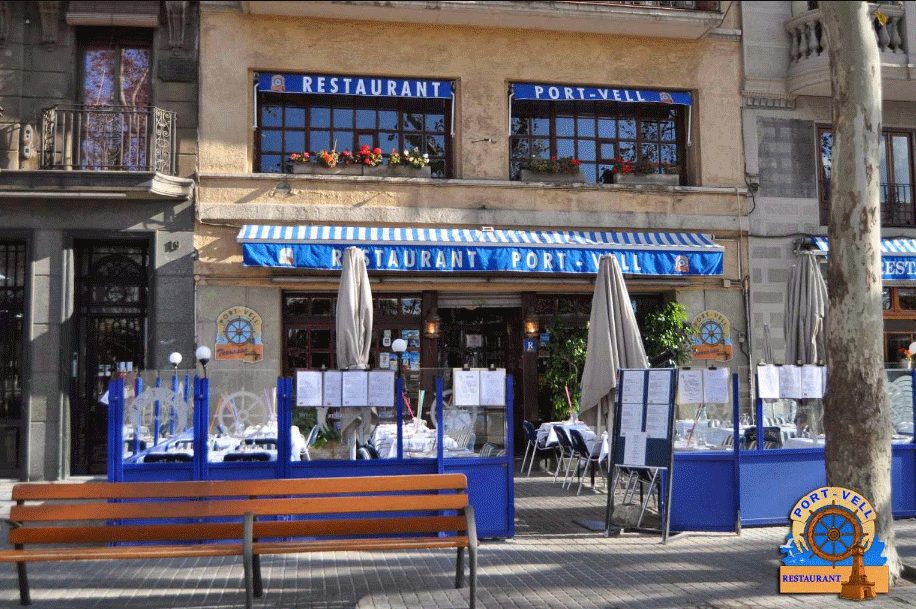
Why Port Vell is Barcelona’s Best Kept Seafood Secret
Forget the tourist traps near La Rambla. If you want real seafood in Barcelona, you go to the water. Specifically, Port Vell. The harbor here isn’t just a backdrop; it’s the main attraction.
The restaurant in question sits right on the edge. Open terrace. Clean air. That’s not a luxury here, it’s the standard. You’re eating with the smell of salt and diesel in the distance, which somehow makes the food taste better.
The menu? It’s heavy on the catch of the day. Seafood enriched. Tasty. Worth every euro if you time it right.
Where to go:
Passeig Joan de Borbo, 08003 Barcelona, Spain
Call ahead:
+34 932 21 71 40
You need to reserve. Or show up early. The views of the Columbus Monument and the cruise ships pulling in are free. The clams aren’t.
Is it worth the trek from the Gothic Quarter? Yes. Because most places in the city serve frozen fish on ice. This place serves what the boats brought in that morning.
Think about it. Sitting on a terrace. Wind in your face. A plate of grilled prawns. That’s the Barcelona experience. Not the museum crowds. This.
Book it. Or risk being stuck with a table facing a brick wall and a menu that’s been translated three times.
Conil Amb Cargols: Salyangozlu Tavşan
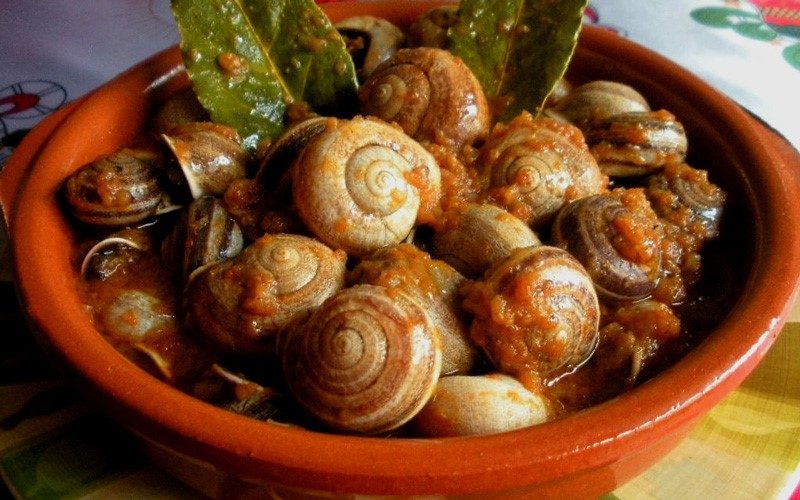
Eğer Barselona’nın standart paella ve tapas döngüsünden sıkıldıysanız, Conil Amb Cargols ile karşı karşıyasınız. Katalan mutfağının en iddialı lezzetlerinden biri. Salyangoz ile birlikte pişirilen tavşan eti. Basit değil. Hafif oyunbaz. Ama doğru pişirildiğinde inanılmaz.
Port Vell Restaurant
Limanda takılıp kalmayın. Port Vell Restaurant ’a gitmek için sadece yön bulmaya ihtiyacınız yok. Zaman yönetimi de önemli. Burada yemek saatleri sert olabilir. Rezervasyon şart. Yoksa boşuna beklersiniz.
Domino Bar ve Cava Şarabı
Son durak: Domino Bar. Cava şarabı için gidiyorsunuz. İspanya’nın kendi şampanyası. İtalyan şampanyası değil. Fark var. Cava şarabı ile Barselona gecesi burada bitmiyor. Sadece değişiyor.
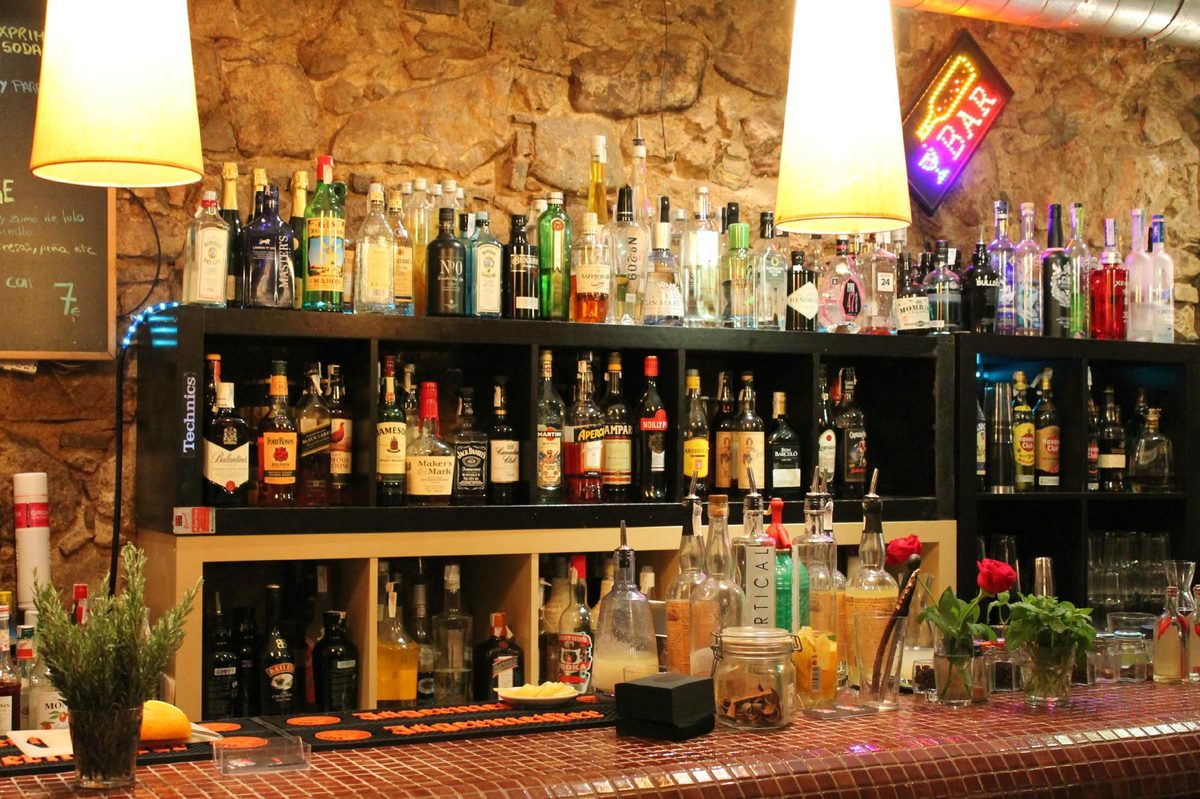
If you are looking for a place where the drinks aren’t just shaken and served from behind a polished mahogany counter, Domino Bar in Barcelona might just be your new obsession. This isn’t some tourist trap where the ice is cloudy and the garnish is an afterthought. Here, everything is handmade. And I don’t mean they whip up their own crème de menthe from scratch (though that would be impressive). I mean the cocktails themselves are crafted with a precision that rivals the best mixologists in the city.
The philosophy is simple yet effective. They use homemade ingredients for the non-alcoholic parts of the drink. Syrups. Bitters. Fresh juices. The alcohol itself is high-quality, but the magic happens in how it’s combined. The result? Some of the best cocktails in Barcelona. Period.
Why Domino Bar stands out
You might wonder what sets it apart in a city that never runs out of places to drink. It’s the attention to detail. The staff. The vibe.
- Handcrafted Cocktails: Every drink is made to order. No shortcuts.
- Homemade Mixers: Syrups and garnishes are prepared in-house.
- Attentive Service: The waiters are friendly, helpful, and clearly knowledgeable.
- Prime Location: Situated in a quiet corner, yet part of the bustling nightlife scene.
The address is Carrer de les flors 16, 08041 Barcelona, Spain. It’s easy to find if you know where to look. Not in the thick of La Rambla chaos, but close enough to walk off your dinner.
When to go
Nightlife in Barcelona starts late. Think late. If you show up at 9 PM, you might be the only person there. Wait until 11 PM or later. The energy shifts. The music gets louder. The cocktails flow better.
Logistics and tips
- Reservations: Not always necessary, but recommended for groups.
- Dress code: Smart casual. You don’t need a suit, but don’t show up in gym shorts.
- Cost: Mid-range for Barcelona. You pay for quality.
The Verdict
Is it worth the hype? Yes. Is it the only place you should go? No. But it’s definitely one of the places you must include in your itinerary. The service is warm. The drinks are strong. The atmosphere is right.
For more info, call +34 696 46 17 25. But honestly, showing up at the right time might work better than calling.
The city moves fast. But here, the drinks are made slowly. Enjoy the difference. 🍸
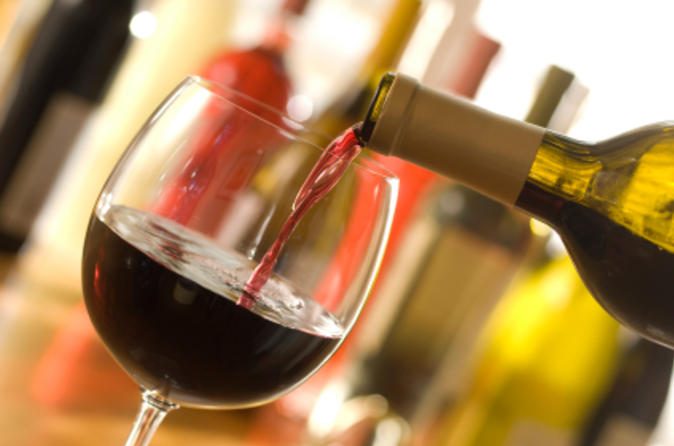
Cava. Barselona’nın damak tadına kazınan o hafif, köpüklü şaraptır. Burası için geleneksel içki derseniz, cevabı budur. Market raflarında veya küçük bira evlerinde bulabileceğiniz cava, pişmanlık yaşamamanızı sağlayan bir fiyata sahiptir.
Domino Bar’a Ulaşım Rehberi
Domino Bar’a nasıl gidersiniz? Bu sorunun cevabı biraz yürüyüş gerektirir ama şehrin nabzını tutmak için değer. Bar, Eixample bölgesinde, özellikle Passeig de Gràcia civarında yer alır. Metro istasyonlarından (L2 veya L3 hattı) indikten sonra kısa bir yürüyüşle ulaşabilirsiniz. Taksi kullanırsanız, trafik saatlerinde beklemek zorunda kalabilirsiniz. Yürümek daha iyi. Sokaklar sizi şaşırtacak.
Barselona’da Konaklama Stratejileri
Barselona. Dünyanın en popüler turizm merkezlerinden biri. Son yıllarda Türk turist sayısı arttı. Bu da otel fiyatlarını ve talebi etkiledi. Nerede kalınmalı? Bu soru, bütçenize ve seyahat amacınıza göre değişir. Biz araştırmayı yaptık. İşte Barselona’nın en dikkat çeken otel önerileri.
Gran Hotel Torre Catalunya
Gran Hotel Torre Catalunya. İsmi kadar etkileyici. Şehrin kalbinde, stratejik bir konumda duruyor.
Gran Hotel Torre Catalunya: A Strategic Base for Barcelona
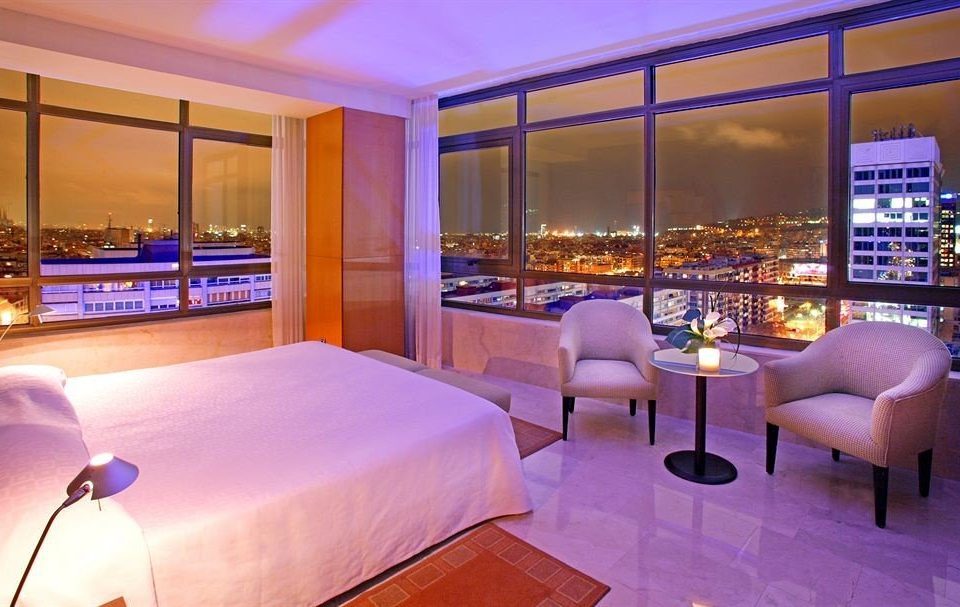
You want to stay somewhere that doesn’t feel like a tourist trap but still puts you within striking distance of everything. That’s the pitch for Gran Hotel Torre Catalunya. The rooms are wide. They’re bright. And they come standard with free Wi-Fi, satellite TV, air conditioning, central heating, and a minibar. It’s the basic kit for modern travel.
The lobby features the Eclectic Bar. It serves snacks and cocktails. There’s an outdoor terrace too. The decor leans toward luxury without being stuffy.
Location is where this hotel actually earns its keep. You’re 170 meters from the Sants Train and Metro Station. One stop on the train gets you to Plaza Catalunya and the historic center. It’s barely a commute. If you’re chasing football history, Camp Nou is three metro stops away.
For shopping or exhibitions, you’re walking distance from both Fira Congress Center and Las Arenas Shopping Center. Ten minutes on foot. That’s manageable when you’re tired.
Address: Av. de Roma, 2-4, 08014 Barcelona, Spain
Phone: +34 936 00 69 82
How to Get to Gran Hotel Torre Catalunya
Getting there is straightforward because Sants is a major hub. If you’re arriving by train, it’s a short walk. If you’re taking the metro, look for the Sants Estació stop. The hotel sits just off Avinguda de Roma.
Barcelona Princess
This is the next entry in our list. The context shifts slightly here.
Barcelona Princess: High-Rise Views and Practical Perks
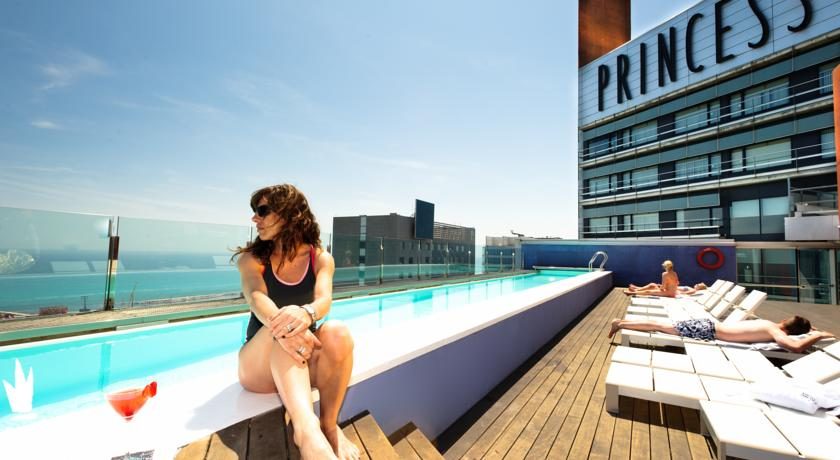
If you want to see Barcelona from a height, this place delivers. The hotel sits high above the city, offering 363 modern rooms that are bright and airy. You are not just getting a bed; you are getting a view. The location on Avinguda Diagonal gives you easy access to the city, but the real draw is the vertical experience.
The amenities here are designed for convenience. Internet access is strong enough for work in the business center, which also offers free printing. WiFi covers the entire property. Inside the room, the minibar is complimentary. This is a small detail, but it matters when you are trying to manage travel costs.
Two Pools and a Relax Area
The swimming setup is distinct. On the 23rd floor, you will find two heated outdoor pools. They sit next to a sun terrace with panoramic Mediterranean views. The water is warm. The air is crisp. It is a classic Barcelona summer scene, even if it is not technically summer.
Down on the third floor, there is a separate Relax Area. This zone includes another sun terrace and a pool. It also houses a sauna and a gym. You can swim high up, then move down to sweat it out or relax in the steam. The connectivity between these floors makes the whole experience feel integrated.
Booking Logistics
Getting here is straightforward. The address is Avinguda Diagonal, 1, 08019 Barcelona, Spain. If you need to speak to someone before you book, call +34 933 56 10 00.
Why wait? The combination of free minibar items, heated pools, and high-rise views is rare for the price point. Many hotels charge extra for those services. Here, they are included. You can secure a reservation without hesitation. The city below is waiting, and so is the pool.
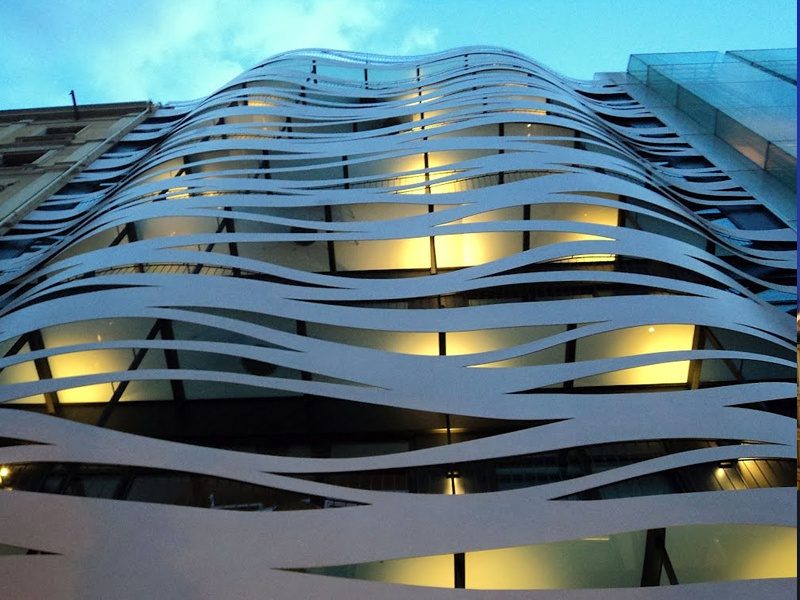
Suites Avenue Barcelona: Passeig de Gràcia’da Gaudî Esintili Bir Konaklama Deneyimi
Barcelona’nın kalbinde, Passeig de Gràcia üzerindeki bu lüks daireler sadece bir konaklama yeri değil, şehrin mimari ruhunu yansıtan bir sanat eseri. Ön cephelerdeki muhteşem dalgalı yapı, Antoni Gaudî’nin imza tarzına atıfta bulunuyor. Doğa formlarından ilham alan bu tasarım, inci beyazı renk tonlarıyla güneş ışığını yakalıyor. Günün farklı saatlerinde, ışığın açısıyla birlikte yüzeyin renkleri de değişiyor. Bu dinamik görünüm, binayı Passieg de Gràcia’nın modern mücevheri haline getiriyor.
Misafirler, heybetli La Pedrera (Casa Milà) binasının manzarasına tanıklık ediyor. Şehrin bu ikonik caddesinin kentsel ağındaki yeri, Suites Avenue’yi seçkin bir duruma getiriyor.
Konum ve Erişim Detayları
Adres: Passeig de Gràcia, 83, 08008 Barcelona, İspanya.
Telefon: +34 934 87 41 59
Suites Avenue Nasıl Gidilir?
Passeig de Gràcia, Barcelona’nın en önemli ulaşım merkezlerinden biridir. Şehir merkezine yakın olmasının yanı sıra, metro hatları ve otobüs bağlantıları çok yoğundur.
- Metro: L2, L3 ve L4 hatlarının kesiştiği Catalunya Meydanı’na yürüme mesafesindedir. Passeig de Gràcia duraklarından inildiğinde bina caddenin hemen üstünde yer alır.
- Otobüs: H10, V15 ve D50 gibi hatlar bu caddedan geçmektedir.
- Yürüyüş: Plaça de Catalunya’dan yürüyerek 10-15 dakikada ulaşılabilir. Bu rota, şehrin atmosferini de hissetmek isteyenler için idealdir.
Evenia Rosello ve Bölgenin Niteliği
Bölgedeki diğer otel seçenekleri arasında Evenia Rosello da yer almaktadır. Ancak Suites Avenue, daha özel ve konut odaklı bir deneyim sunarak farkını korur. Bu tip daireler, otellerin standart hizmetlerinden farklı, daha fazla özgürlük ve ev konforu sağlar.
Neden Bu Konaklama Seçilmeli?
- Mimari Değer: Gaudî tarzı dalgalı cephe ve inci rengi detaylar, fotoğrafçılar ve mimari tutkunlar için çekici noktalar sunar.
- Merkezi Konum: La Pedrera, Casa Batlló ve diğer önemli turistik mekanlara yürüme mesafesindedir.
- Günlük Yaşam: Passeig de Gràcia, alışveriş ve restoranlar açısından zengindir. Yemek, müzik ve kültür merkezlerine kolay erişim sağlar.
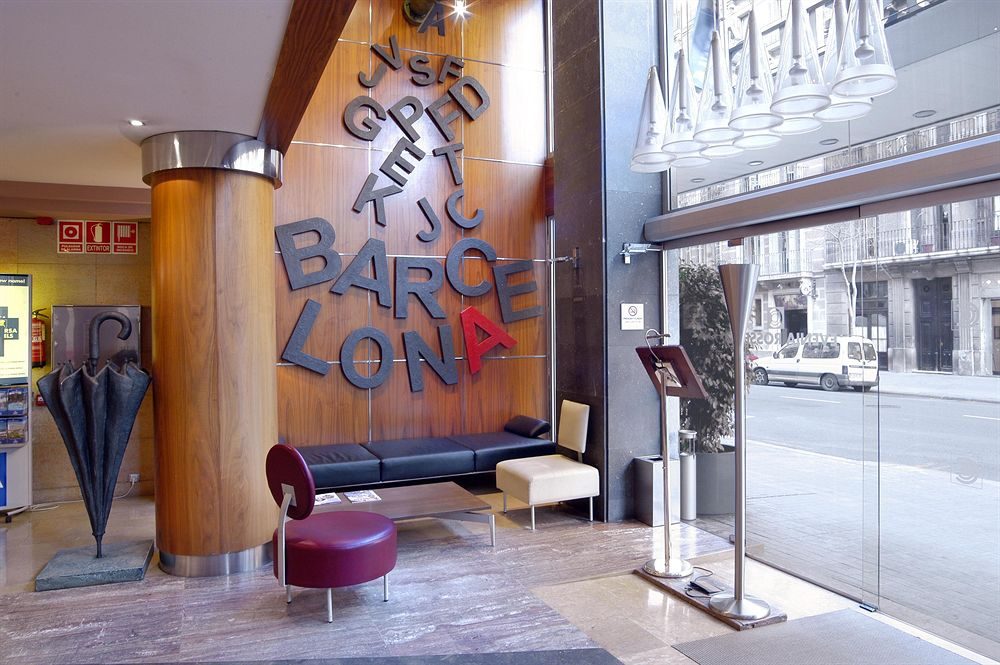
You are in the heart of the Eixample district if you book the Evenia Rossello Hotel. It is not some hidden gem tucked away in a quiet residential alley. It is squarely in Barcelona’s commercial and business hub. The location is aggressive in its centrality. You are steps away from the action, but also steps away from the noise.
The hotel sits next to the gardens of Placeta de Joan Brossa. That is a nice touch. Green space in a concrete jungle is never a bad thing. It breaks up the visual monotony of the surrounding architecture. From there, you are exactly 350 meters from two of the city’s most important arteries: Passeig de Gràcia and Avinguda Diagonal.
Why This Location Works for Budget Travelers
People often ask where to stay in Barcelona without breaking the bank or sacrificing convenience. The answer usually involves a compromise. You pick cheap and far, or expensive and central. The Evenia Rossello tries to thread that needle. It is not the cheapest hostel in Catalonia. It is not a luxury palace with marble lobbies. It is a solid, mid-range option that leverages its address to justify the price tag.
The address is Carrer del Rosselló, 191, 08036 Barcelona, Spain. If you use a map app, search for the hotel directly. It is hard to miss because it is on a major thoroughfare.
Getting There: Logistics and Transport
How do you get to this specific corner of the city? The logistics are straightforward, which is half the battle won in a chaotic city like Barcelona.
- From Barcelona-El Prat Airport (BCN): Take the Aerobus to Plaça de Catalunya. From there, you are in the central district. The hotel is about 1.5 kilometers northeast. You can walk it in 20 minutes if you are energetic and have light bags. Or you can take the L3 (Green) metro line to Diagonal station and walk two blocks.
- From Sants Station: This is the main train hub. Take the L5 (Blue) or L3 (Green) metro lines toward Diagonal. It is a short ride.
- By Car: Parking here is a nightmare. Do not rent a car if you plan to stay in this neighborhood. The streets are narrow, the traffic is dense, and parking fees will eat your dinner budget. Use public transit.
The proximity to Passeig de Gràcia is the key selling point. This is where you find the high-end flagship stores, Gaudí’s Casa Batlló, and La Pedrera. You can walk there in about four or five minutes. You can also walk to Avinguda Diagonal, which connects you to the rest of the city’s metro network and serves as a major bus artery.
The Neighborhood: What Is Worth Seeing?
Because you are in the Eixample, you are surrounded by modernist architecture. The grid pattern of the neighborhood, designed by Ildefons Cerdà, makes navigation logical. You are not getting lost easily.
Passeig de Gràcia
This is not just a street. It is
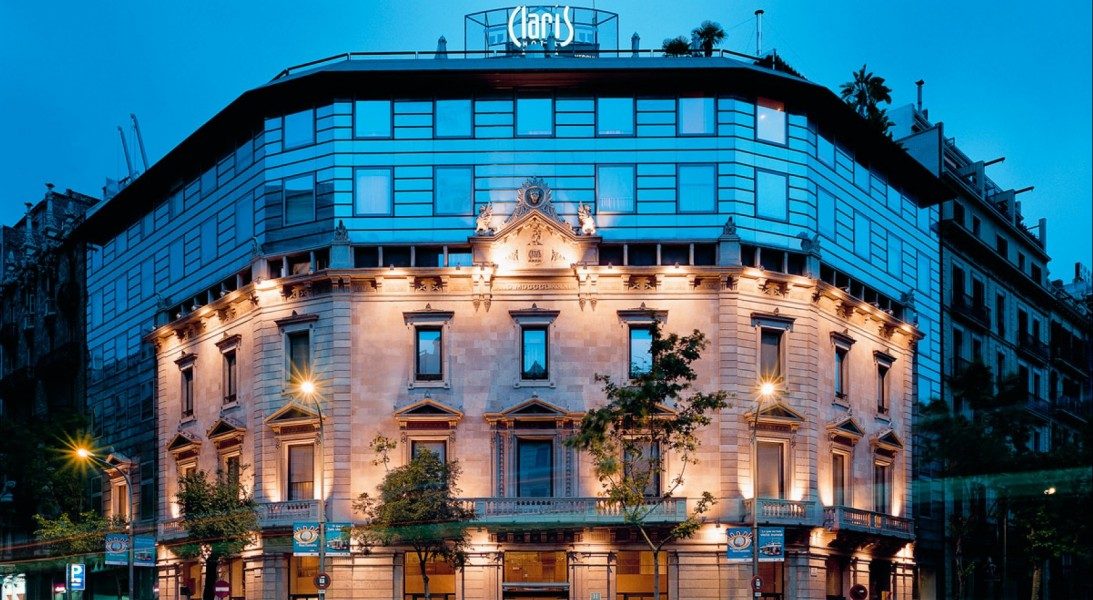
Where to Stay Near Gaudi and Modernist Barcelona
You want to be close to the action but not in the thick of the tourist crush. Hotel Claris sits right in the heart of Barcelona. It is a five-star property that knows how to handle the city’s energy. The location is the main draw. You are just steps away from the Museu Egipci de Barcelona and the Palau de la Música Catalana. Both are heavyweights when it comes to cultural sites. Casa Batlló is nearby. Antoni Gaudí’s skeletal masterpiece doesn’t require a teleporter. A walk gets you there. The Palau de la Música Catalana is also within easy reach. This is not a hotel buried in a quiet suburb. It is central. It is practical.
The building itself is an Art Deco statement. It doesn’t try to hide its style. Inside, the rooms are designed for comfort. There are 124 of them. Each one has air conditioning. You need that in Barcelona. Summer heat is no joke. The minibars are stocked. If you are tired of walking and need a cold drink, it is there. An LCD television is in every room. Satellite channels are available. You can watch the game. Or the news. Or nothing at all. The point is choice.
Connectivity is handled well. Free wireless internet is provided. It is not a paid perk. It is standard. In a city where you will be checking maps constantly, that matters. The concierge service is on hand. If you need tickets for the Sagrada Família or a table at a crowded restaurant, they can help. A fireplace in the lobby adds a touch of warmth. Or nostalgia. Depending on the season.
Amenities and Relaxation
After a day of navigating narrow Gothic Quarter streets or climbing Park Güell’s hills, you need to decompress. Hotel Claris offers a suite of facilities. An open-air pool is available. It is rare to find a pool in a city-center hotel. The water is refreshing. A sauna is included. Sweat out the day. The gym is also there. If you are the type who needs to maintain a routine even while traveling, you can hit the weights. It is not huge. It is sufficient.
These amenities are not afterthoughts. They are integrated into the experience. The hotel positions itself as one of the best options in Barcelona. It is a bold claim. But the combination of location and service supports it. The staff handles the logistics. You handle the exploring.
Practical Details for Your Booking
Know the specifics before you book. Addresses in Barcelona can be confusing without a grid system. This hotel has a clear one.
Address: Carrer de Pau Claris, 150, 08009 Barcelona, Spain
Phone: +34 934 87 62 62
Use the phone number if you have specific requests. Don’t rely solely on email. Response times can vary. The area around Pau Claris is upscale. It is clean. It is safe. It connects easily to the metro. You can hop on a train and reach any corner of the city in minutes. This reduces transit fatigue. You spend less time on buses. More time in museums. More time eating tapas.
Navigating the City Efficiently
You need a