You’ve probably never heard of Uşak. That’s exactly why you need to go there.
It’s not on the standard Istanbul-Ankara-Izmir triangle. It’s tucked away in western Turkey, a place that feels like a secret kept too well. But here is the thing. This town doesn’t mess around. It calls itself the “City of Firsts” for a reason.
And it’s not just bragging rights.
Uşak holds some heavy titles. It was the very first place in Turkey to get electricity. The first sugar factory in the country was built here. These aren’t small achievements. They are foundational moments for modern Turkish infrastructure. The air still feels different here. Charged. Old.
But the real reason travelers should care isn’t the history books. It’s the landscape.
The Canyon Kings of Turkey
Uşak is home to two of the most impressive geological feats in the entire country. We are talking about massive scale here. The world’s largest two canyons are literally sitting in this province.
Most people fly past Turkey’s west coast. They miss the interior. They miss the deep cuts in the earth that define this region. If you are planning a trip to Turkey that doesn’t involve standing in line at the Blue Mosque or eating kebab in a tourist trap, Uşak is your pivot point.
Why Go Now?
The timing is right. Tourism in this region is still niche. You won’t find crowds. You won’t find inflated prices for basic lodging. You find silence. You find dust. You find views that make you forget to take photos.
The logistics are simple. You can reach Uşak by bus from Izmir or Denizli. It’s a short drive. The roads are decent. Once you are there, you aren’t far from the canyon entrances.
What to Actually See
Let’s be clear. This isn’t a museum tour. It’s a landscape tour.
- The Canyons: Yes, they are huge. Don’t just look at them from the edge. Drive along the perimeter. The light changes drastically between morning and late afternoon. The shadows carve out new shapes every hour. It’s a visual lesson in erosion.
- The Industrial Roots: You can still see traces of that early industrial era. The old sugar factory site is a landmark. It’s a reminder of what this place built. It adds texture to the visit. It’s not just rocks. It’s human history layered on top of geology.
- The Local Vibe: The people here are grounded. Not rude. Just practical. Ask about the electricity history. They’ll tell you. They’re proud. It shows.
The Practical Stuff
- Best Time to Visit: Spring or Autumn. Summer is too hot for canyon exploration. Winter can be muddy.
- Cost: Very affordable. Entry fees for natural sites are minimal. Food is local and cheap.
- Duration: Two days is enough. One for the canyons. One for the town and history.
- Logistics: Rent a car if you want freedom. Buses work if you plan ahead.
There’s a reason this city is called the City of Firsts. It
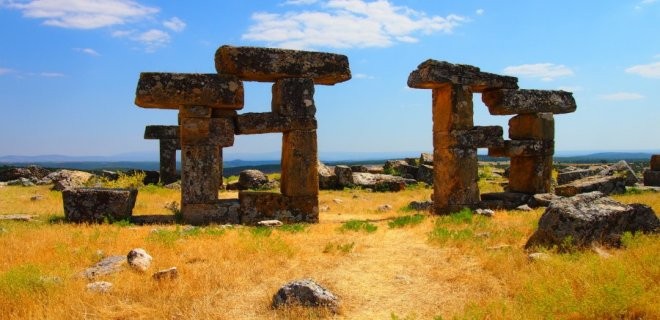
Blaundus Antik Kenti: Uşak’ın Tarihi Cevheri
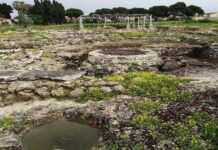
Helenistik çağın sessiz şahidi. Blaundus, Uşak’ın arazisinin altında yatan, ama artık ortaya çıkan bir hikâye. Şehir şu an koruma altında, sit alanı olarak işaretli. Ama bu, dokunamayacağın anlamına gelmiyor. Ziyaret edebilirsin.
Uşak’a gittiğinde, sadece modern şehri görmüyorsun. Dört bir yana dağılmış taş kalıntıları var. Kaya mezarları. Bazıları doğrudan kayanın içine oyulmuş. Tiyatrolar. Bazıları hâlâ ayakta, bazıları yığıntı halinde. Tapınaklar. Tanrıların oturduğu yerler, şimdi çimenler altında.
Blaundus’da yürürken, zamanın nasıl durduğunu hissedebilirsin. Helenistik dönem. MÖ 3. yüzyıl civarı. Selçuklu’ndan önce, Osmanlı’dan çok önce. Bu taşlar o zamanın nefesini tutuyor.
Nasıl gidilir? Uşak merkezden 41 kilometre uzakta. Yaklaşık 45 dakikalık bir sürüş. Karayolunda ilerlersin. Dağlık arazi. Manzaralar değişir. Tarihi bölgeye vardığında, işaretler seni yönlendirir.
Girmek için ne kadar ödersin? Giriş ücretleri değişir, ama genellikle sembolik. Öğrenciler ve yaşlılar için indirimli. Yerel rehberler varsa, fiyatları sorabilirsin. Genelde 50-100 TL arası, güncel takvimlere göre.
Ne zaman gitmek en iyisi? İlkbahar ve sonbahar. Yazın çok sıcak. Taşlar ısınır. Kışın yağmur yağar, kaygan olabilir. Nisan’dan Mayıs’a. Eylül’dan ekime kadar. Işık güzel. Gölgeler uzun.
Neler görülmeli?
- Kaya mezarları. Derinlikli oymalar. Aile mezarları.
- Tiyatro. Basamaklar. Sahne binası.
- Tapınak kalıntıları. Sütunlar. Adak yazıtları.
- Hamam ve agora. Günlük yaşam izleri.
Neden Blaundus’a değer? Çünkü kalabalık değil. Efes gibi değil. Pamukkale gibi değil. Daha sessiz. Daha kişisel. Kendi başına keşfedebileceğin bir yer. Uşak’ın tarihi kimliğini anlamak için önemli.
Yanına ne almalı?
- Su. Bol su.
- Güneş kremi.
- Rahat ayakkabı. Taşlar düzensiz.
- Kamera. Işık erken veya geç olabilir.
Uşak’a geldiğinde, Blaundus’u görmeden dönme. 41 kilometre az bir mesafe. Ama tarihe olan yolculuk uzun. Kendini o döneme bırak. Taşların arasında yürü. Zamanın akışını his
Cimcim Çeşmesi: Uşak’taki Gizemli Taş Eseri
Uşak’ın kalbinde, şehrin gürültüsünden sıyrılan bir köşede duruyor Cimcim Çeşmesi. Tarihin tozlu sayfalarından biri gibi. Kimin yaptırdığı, hangi yıl inşa edildiği… Hiçbir yerde tam bir kayıt yok. Belki de o gizem, onu daha çekici kılıyor.
Taşlar özenle seçilmiş. Her biri özenle oyulmuş. Kabatmalar ve motifler, döneminin en iyi el işçiliğini yansıtıyor. Dış cephesi sade ama detaylı. Zamanın aşındırdığı her iz, onun bir hikaye anlattığını fısıldıyor.
Gezmeye gelin. Görün. Dokunun. Çünkü bu çeşme, sadece suyla beslenen bir yapı değil. Sanatın, tarihin ve sessizliğin buluştuğu bir nokta. Uşak’ı gezerken, gözlerinizi açık tutun. Çünkü küçük detaylar, en büyük hikayeleri taşır.
Where to Find Uşak’s Historic Houses
You need to go to specific neighborhoods to see them. Don’t wander aimlessly. Head straight for Aybek, Karaağaç, Işık, and Kurtuluş. These are the spots where Uşak’s architectural heritage actually survived.
Uşak’s historic houses aren’t just pretty facades. They are the best examples of Ottoman and early Republican-era construction. You are looking at structures that have held up for centuries. They reflect a time when local craftsmanship met imperial style.
Why do these neighborhoods matter? Because the concentration of preserved buildings is highest here. You walk down a street in Karaağaç and suddenly you are standing in front of a wooden veranda that dates back to the 19th century. It is not a replica. It is the real thing.
The houses in Işık and Kurtuluş offer a slightly different view. Here, you see how the architecture evolved during the early Republic. The materials changed. The styles shifted. But the soul of the building remained.
Planning Your Route
There is no single ticket. You don’t buy a pass. You just walk.
Start in Aybek. The streets are narrow. The houses lean toward each other. It feels intimate. Then move to Karaağaç. This area is known for its well-preserved wooden structures. Look at the kâgir masonry. Notice the intricate woodwork on the upper floors.
In Işık, the buildings are often more spread out. The gardens are larger. You can see how wealthier families lived in the later Ottoman period.
Kurtuluş is the final stop. It is quieter. The houses here are often in need of repair. But that adds to the atmosphere. You are seeing history in its raw state.
What to Look For
When you visit Uşak historic houses, don’t just look at the front door. Look up. The çıkma (bay window) is a key feature. It was designed to maximize light and street view. Look at the külliye complexes nearby. The houses were often built around mosques or schools.
The craftsmanship is visible in the karkasa (wooden frame) and horasan (mortar) techniques. These methods allowed the buildings to withstand earthquakes. They have. For hundreds of years.
Why It Matters
Uşak’s historic houses tell a story of resilience. They survived wars. They survived political changes. They survived neglect. Now, they are a resource for travelers who want to see Turkey beyond the major cities.
You don’t need a guide. You need curiosity. And a sense of time.
Getting There
Uşak is in western Turkey. It is not Istanbul. It is not Antalya. That is the point.
The neighborhoods are accessible by foot or car. Parking is available in all four areas. But walking is better. You can stop when you see something that catches your eye.
Final Thoughts
Uşak’s historic houses are not a museum. They are living parts of the city. They are home to locals. They are part of the daily rhythm.
Respect that. Take photos. But don’t treat them like a set.
### Spotting the Spiral Minaret: A Guide to Burma Cami in Uşak
If you are navigating the historic center of Uşak, keep your eyes on the skyline. You are looking for a minaret that defies the straight lines common to Ottoman architecture. This is Burma Cami. Located right in the city center, the mosque is easy to miss if you aren’t scanning the rooftops, but once you see it, you won’t forget it.
The name itself is a hint. “Burma” refers to the spiral shape of the minaret, a design choice that makes this structure unique in the region. While the exact construction date is murky, historical consensus places its origins around 1570. That puts it squarely in the late 16th century, built during a period of significant architectural experimentation in the empire.
Why the Spiral Design Matters
You might wonder why a mosque in western Turkey is named after a Southeast Asian country. The connection isn’t about geographic origin but rather structural mimicry. The minaret’s helical form echoes the pagodas of Myanmar (formerly Burma), adapted here through local craftsmanship. It’s a rare example of cross-cultural architectural influence in Anatolia.
For travelers interested in historical mosques in Turkey, this site offers a tangible link to 16th-century design trends. The spiral isn’t just decorative; it provides structural stability while offering a visual landmark that has guided visitors to this spot for centuries.
Visiting Logistics and Timing
Planning a trip to see Burma Cami Uşak? Here is what you need to know:
- Location : It is situated in the heart of Uşak. You can walk to it from most central hotels or take a short taxi ride.
- Best Time to Visit : Early morning or late afternoon offers the best light for photography. The shadows on the spiral minaret become more pronounced, highlighting the intricate stonework.
- Access : As an active place of worship, you can enter for ibadet (prayer) if it is outside of prayer times. During prayer hours, non-Muslims typically observe from the designated entrance or courtyard without disturbing the congregation. Respect local customs and dress modestly.
What to Look For
Don’t just take a quick photo and move on. Study the base of the minaret. The transition from the square base to the cylindrical, spiraling upper section is where the craftsmanship shines. Look for any inscriptions or decorative tiles that might still be visible, though erosion has taken its toll over the last 450 years.
The surrounding area is also worth exploring. Uşak isn’t just a stopover; it has a quiet, preserved charm. Combine your visit with a walk through the nearby bazaar or a coffee at a local kahvehane. It adds context to the mosque’s role in daily community life.
Practical Tips for Travelers
- Transport : If you are renting a car, parking can be tricky in the city center. Look for public lots a block away and walk the last few minutes.
- Guides : There are no official audio guides, but local historians or enthusiastic shop owners nearby might share anecdotes. A few basic Turkish phrases go a long way here.
- Photography : Avoid using flash indoors. The natural light inside is often
Locals in Uşak simply call it the kapalı çarşı, or covered market. It sits right in the thick of the city center. Today, it operates as the sarraflar çarşısı —the goldsmiths’ quarter. You won’t find a plaque telling you exactly who built it. The architect remains a mystery.
Structure-wise, it’s straightforward. Two entrances lead into a long central corridor. Rooms line both sides of this hallway. It’s not grand. It’s functional.
Navigating the Goldsmiths’ Quarter
If you are looking for Uşak Bedesteni location, you’ll find it tucked into the urban fabric rather than standing alone in a park. This is where you go for authentic jewelry shopping. The shift from a general bazaar to a specialized gold market is subtle but distinct.
The building itself doesn’t scream history from the outside. But inside, the atmosphere shifts. The long corridor acts as a spine. Shops branch off to the left and right. It’s an intimate space. You can hear the hammers hitting metal. You can smell the polish.
What to Expect Inside
This isn’t a place for mass-produced souvenirs. It’s for serious buyers and collectors. The goldsmiths here have been doing this for decades. Some say longer. The lineage of craftsmanship runs deep in these walls.
- Atmosphere: Quiet. Focused.
- Merchandise: Gold jewelry, traditional designs.
- Layout: Single corridor, rooms on either side.
- History: Unknown origins, Ottoman-era structure.
There is no ticket booth. You just walk in. If you want to know the exact date it was built, you won’t find it in guidebooks. The answer is simply: no one knows. And that’s part of its charm.
Planning Your Visit
Timing matters here. Unlike tourist traps that open at dawn and close at dusk, these shops operate on their own rhythm. Go during the day. Bring cash. Some might accept cards, but old habits die hard in places like this.
The value isn’t in the architecture alone. It’s in what’s being sold. If you are hunting for where to buy traditional Turkish gold in Uşak, this is it. The prices will vary by weight and design. Haggle if you must. But respect the craft. These aren’t just items. They’re heirlooms waiting to happen.
Why It Matters
You could skip it. There are prettier ruins nearby. But that would be a mistake. This building survived centuries of change. It adapted. It stopped being a general market and became a sanctuary for jewelers. That evolution tells you something about Uşak itself. It’s pragmatic. It values quality over flash.
Walk down that long corridor. Look at the hands working behind the glass. Listen to the silence between the sounds. It’s not a museum. It’s a living part of the city.
And still, no one can say for sure who first laid those bricks.
Why the Atatürk House in Uşak is a Must-See Stop
If you are navigating the streets of Bozkurt quarter in Uşak, you need to know exactly what you are walking into. The building known locally as Kaftancızade Konağı is not just an old house. It is the Uşak Atatürk and Ethnography Museum. The name itself tells you there are two stories packed into one space.
For travelers planning a route through western Anatolia, this site offers a rare look at history that feels personal rather than polished. Why does it matter? Because this is where Mustafa Kemal Atatürk actually stayed during the War of Independence. You are not looking at a replica. You are standing in rooms he occupied.
The museum operates under two identities for a reason. The ethnographic section displays the cultural heritage of the region. But the Atatürk wing draws the crowds. Visitors come to see the president’s personal belongings. You can see the objects he used daily. It grounds the history in tangible reality.
“Every person visiting Uşak should make a point to see this museum. It is not optional if you want to understand the city’s soul.”
Logistically, this museum is accessible during your urban exploration of Uşak. It is not hidden away in a difficult-to-reach district. It sits in Bozkurt, a neighborhood that is easy to navigate by foot or taxi. When you walk through the door, you are stepping into a preserved moment.
How do you maximize your visit? Don’t just rush through. Spend time in the Atatürk house. Look closely at the furniture. Notice the simplicity. It contrasts with the grandeur often associated with leaders. This is the quiet dignity of the War of Independence era.
Is it worth adding to your itinerary? Absolutely. It fills a gap that many travelers miss. Most tourists head for the major cities or the coast. Uşak is different. It is slower. It is real. And this museum is the key to unlocking that pace. You leave with more than just photos. You leave with context.
Why Uşak Archaeology Museum Deserves Your Itinerary
If you are mapping out a route through western Turkey, most people stop for the underground cities or the rock formations in Cappadocia. But Uşak has a quiet strength that catches travelers off guard. The Uşak Archaeology Museum was the very first museum to open in the city. It set the standard for the region.
The building itself is modest. Small. You might walk past it if you aren’t looking closely. But don’t let the footprint fool you. Inside, the density of history is overwhelming. The collection is surprisingly rich. It packs decades of excavation finds into a compact space.
“The museum building is small, but it holds a vast number of historical artifacts.”
Even the courtyard tells a story. The outdoor area isn’t just empty space. It displays numerous archaeological finds under the sky. Stone statues. Inscriptions. Fragments of pottery. It creates an open-air gallery that extends the experience beyond the glass cases.
Who goes there? Locals, yes. But also international tourists seeking depth over breadth. It ranks among the top visited museums in the province. Not because of marketing. But because the artifacts speak for themselves.
If you are planning a visit, keep this in mind. The collection spans various eras. You will see items from the Lydian period. Pieces from the Roman era. Even some Byzantine remnants. Each piece offers a glimpse into the trade routes that once crisscrossed this land.
Logistically, it is easy to fit into a half-day trip. You can walk here from the city center in under twenty minutes. There is no need for a car. The entrance fee is standard for municipal museums in Turkey. Affordable. Accessible.
Why does it matter? Because Uşak was a crossroads. Not just for goods. For ideas. Culture. Religion. The museum captures that convergence. It shows how different civilizations layered their lives on top of one another.
Some travelers rush through museums. They glance at labels. They take a photo of the most impressive vase. That is fine. But Uşak rewards patience. The smaller items often have more character. A broken handle. A shard with a unique glaze. These fragments connect you to the hands that made them.
The lighting inside can be a bit dim in the back corners. Bring a small flashlight if you want to see details. Or just trust your guide. The staff here are knowledgeable. They often share stories that aren’t in the brochures.
Is it the largest museum in Turkey? No. Is it the most famous? Probably not. But is it genuine? Yes. In an age of curated experiences, this place feels real. It hasn’t been polished for Instagram. It exists to preserve history.
You leave with a fuller understanding of the region. And maybe a few extra photos of stones that have been sitting in the ground for two thousand years. Worth the detour? Absolutely. Especially if you prefer substance over spectacle.