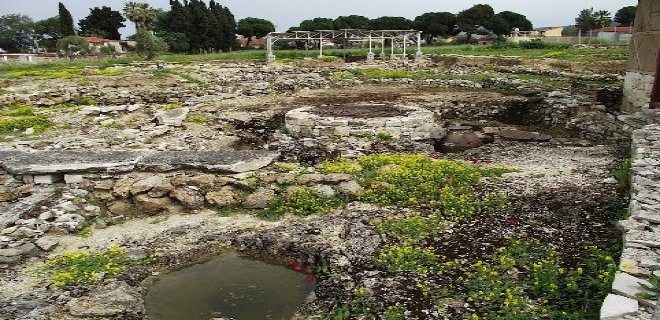
Nestled in the vibrant landscape of Urla, on Turkey’s Aegean coast, lies Klazomenai. It isn’t just another ruin; it was one of the twelve original cities of Ionia. If you’re planning a trip to this region, this site offers a rare glimpse into the Archaic, Early Bronze, and Classical periods. The layers of history here are deep, and the artifacts tell a story that stretches back millennia.
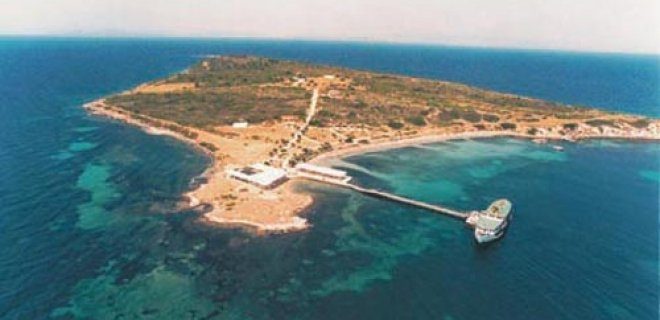
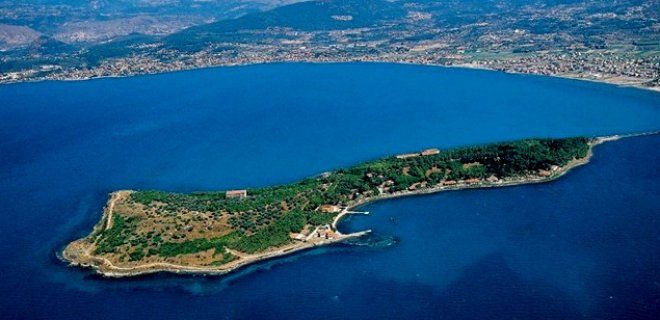
What makes Klazomenai particularly fascinating for archaeology enthusiasts and travelers alike is where the most significant finds are located. While the main site sits in Urla, a substantial portion of the excavated artifacts and ruins are actually housed on Karantina Adası. This island, sitting just off the coast, serves as an open-air museum of sorts.
When you visit, you’ll find that the connection between the mainland and the island is key to understanding the city’s layout and trade routes. The artifacts recovered from these digs aren’t just static displays. They are tangible proof of a bustling, ancient civilization that once thrived here. For those interested in Greek history, this isn’t just a footnote. It’s a primary source.
The majority of artifacts from Klazomenai’s excavations are located on Karantina Adası.
Planning a visit requires a bit of logistical thought. The site is accessible, but the island component might require a boat or specific tour arrangements depending on the season. It’s worth checking local conditions, as access can vary. This isn’t a place to rush through. It’s a place to absorb the scale of what was lost and what remains.
The contrast between the Archaic period’s raw energy and the Classical period’s refined aesthetics is palpable in the artifacts. You can see the evolution of craftsmanship and societal structure in the pottery, tools, and architectural fragments. It’s a visual timeline of human development right here on the coast of Urla.
For travelers seeking authentic historical experiences away from the crowded hotspots, Klazomenai offers a quiet intensity. It’s not just about seeing stones. It’s about standing where ancient merchants once walked, where philosophers might have debated, and where daily life unfolded against the backdrop of the Aegean Sea.
The preservation efforts here are ongoing. Each excavation season brings new discoveries, shifting our understanding of this Ionian city. It’s a living historical site in that sense. It continues to give up its secrets, slowly, over time.
If you’re in Izmir or heading south along the coast, Urla is a detour worth making. Klazomenai provides context to the region’s rich past. It’s not merely a destination. It’s a window into the complexities of ancient Greek society in Anatolia. The journey there, the walk among the ruins, and the view of Karantina Adası from the shore all contribute to a deeper appreciation of the site.
The artifacts themselves, scattered between the mainland and the island, invite questions. Who made these? Why were they placed here? What stories do they hold? The answers are often fragmented, but that’s part of the allure. It leaves room for imagination and historical deduction.
There’s a specific quality of light here in the late afternoon. It hits the ruins in a way that highlights texture and age. It’s a good time to visit if you want to capture
Why Yassıcaada is Worth the Ferry Ride
You don’t need a private yacht to escape the city’s grind. You just need to head to Karşıyaka. That’s where the ferries leave for Yassıcaada, a cluster of islands known for two things: water so clear it looks fake, and sand white enough to blind you in the midday sun. It’s not just a postcard; it’s a functioning tourist hub, but one that still retains a lazy, coastal charm.
The main draw here is the beach. We’re talking wide, clean stretches of sand. The sea is calm, shallow near the shore, and genuinely refreshing compared to the choppy waters of the main harbor. It’s the kind of place where you can lie flat and actually fall asleep because the rhythm of the waves drowns out the city noise.
Eating on the Island
Once you’re there, the plan is simple: sit down and eat. The island is dotted with restaurants, mostly casual spots with outdoor seating. They serve fresh seafood, grilled meats, and standard Turkish mezze. It’s not haute cuisine, but it’s solid. The atmosphere is the real ingredient. You’re eating with your toes in the sand or under a shade sail, watching the water.
Prices are reasonable for a tourist spot, but not cheap. Expect to pay a premium for the view and the convenience of being on the island. Still, for a full meal with drinks, it’s a fair trade for the experience. You aren’t just buying food; you’re buying time.
Logistics: Getting There and Back
Getting to Yassıcaada is straightforward but requires planning. There are no bridges. You have to take a ferry from Karşıyaka Pier. These boats run frequently during the day, especially in the summer months when the weather holds.
Here’s the catch: ferries don’t run 24/7. If you miss the last boat back to the mainland, you’re stuck until the first one in the morning. That’s a non-negotiable rule. Plan your return trip based on the schedule, not your mood. Check the times before you go. Don’t assume they’ll wait for you.
What’s Actually Worth Seeing?
Beyond the restaurants and the beach, what’s there? Not much. And that’s the point. The island isn’t packed with museums or historic ruins. It’s a leisure spot. You come here to disconnect.
- The Beaches: They are the main attraction. Clean, accessible, and right next to the dining area.
- The Views: On a clear day, you can see the city skyline from the water. It’s a stark contrast to the isolation of the island.
- The Vibe: It’s relaxed. No rushing. No entry fees for the beach itself.
Is it the most exciting place in the region? Probably not. But for a day trip where you want fresh air, good food, and a break from the concrete, it delivers. Just remember the return time. The island doesn’t care if you’re having fun. The ferry leaves when it leaves.
Urla’nın hafızasında başka bir isim var: Klazomenai.
Bu isim sadece bir etiket değil. Binlerce yıllık bir kimlik taşıyor. MÖ 2000’lere kadar uzanan kökleri, bu yarımadaya derin bir ağırlık katıyor. Bugün geleneksel şarap evleriyle tanınan yer, o zamandan beri aynı coğrafyada nefes alıyor.
Su ve Deniz Arasında Bir Yolculuk
Urla’yı anlamak için suyu anlamak gerekir.
Bölge, su mineralleri açısından inanılmaz zengin. Bu sadece bir coğrafi özellik değil. Yerel halkın uzun ömürlü olduğu, şarapların karakter kazandığı, toprağın ve rüzgarın birleştiği nokta burası. Her kuyuda farklı bir tat var. Her bahçede başka bir lezzet.
Deniz ise başka bir hikaye.
Urla Yarımadası’nın mükemmel koyları, Ege’nin en saf örneklerinden. Buralar kalabalık değil. Sessizlik hakimdi. Koylara inmek için biraz yürümek, biraz dalmak gerekir. Ama o an, tüm yorgunluğunu unutup sadece suya, gökyüzüne ve sessizliğe odaklanırsın.
Plajlar ve Saklı Cennetler
Çok sayıda plajı var. Ama sıradan bir plaj listesi değil bunlar.
- Kapıcı Beyler: Koyun doğası korunmuş. Şezlong yok. Çadır var. Su berrak.
- İkizler: İki koy yan yana. Birinde dalgalar daha sert. Diğerinde huzur.
- Çınaraltı: Gölge altında oturan bir deniz.
Buralara giden yol, asfaltın bittiği yerden başlar. Toprak yollar. Toz. Ama varış noktası, zihni temizleyen bir ayna.
Tarih Toprağa Sinmiş
Klazomenai.
Eski adı bu. Yunanistan’ın en eski yerleşim yerlerinden biri. MÖ 2000’lerde bile insanlar buradaydı. Ne yapıyorlardı? Yaşıyorlardı. Denizden besleniyor, toprağa güveniyorlardı.
Bugün kazılarda çıkan buluntular, o günlerin yankısını taşıyor. Ama tarihi müzelerde değil, sokaklarda görürsün.
Her duvarda bir tarih. Her taşta bir efsane. Urla, tarihi yaşayan bir yer. Okumak için kitaba ihtiyacın yok. Adımı at. Tozu toprağı hisset.
Neden mi bu kadar özel?
Çünkü burada her şey yavaş. Her şey doğal. Her şey gerçek.
Deniz mavisi. Toprak kırmızısı. Şarap koyu.
Urla, bunların hepsinin birleştiği yer.
If you are looking beyond the wine tastings and vineyards of Urla, there is a quieter, mineral-rich side to this corner of Izmir. Tucked away in one of the region’s most scenic pockets, Malgaca Irmeleri offers a different kind of escape. It isn’t about nightlife or bustling markets. It is about water. And heat. And slow, deliberate healing.
Why Travelers Seek Out Malgaca Hot Springs
Most visitors don’t stumble here by accident. They come for the thermal baths. The springs are famous locally for their therapeutic properties. People say the mineral-heavy water helps with a wide range of ailments. Joint pain. Skin conditions. General fatigue. Whether or not you believe in the healing power of sulfur and calcium, the vibe here is undeniably restorative. You walk in tired. You soak. You leave feeling lighter.
The location itself is half the draw. The springs sit amidst rolling hills and citrus groves. In winter, the contrast of warm water against cool air feels almost magical. In summer, it is a refuge from the Aegean heat.
How to Make the Most of Your Visit
Timing matters. Go early. The light is soft, and you’ll have the pools to yourself before the day-trippers from Izmir or Aydın arrive. Bring a towel. And maybe a book. There is no rush here. The water temperature varies slightly across different pools, so test the edges before diving in. Some are hotter. Some are gentle.
What’s Actually Worth Seeing?
Beyond the soak, the surrounding landscape is worth the detour. The area is quiet. Rural. Real. You can walk the trails behind the springs. Spot wild herbs. Watch the locals tend to their gardens. It is not a theme park. It is a working landscape with history in its soil.
The question isn’t whether Malgaca Irmeleri will cure you. It’s whether you need to stop moving for a while.
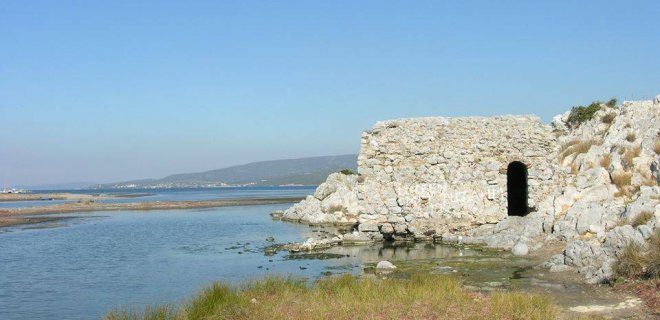
The Mystery of Gülbahçe Ilıcası’s Ancient Warmth
If you think you’ve seen every thermal spring in Izmir, this one might make you reconsider. Located in the village of Gülbahçe, just a short hop from Urla, the springs aren’t just about soaking. They’re about time.
The water here carries a quiet history that dates back to the Roman era. You can almost hear the sandals of ancient bathers in the silence. But the ground beneath the warm water holds an even deeper secret.
Right around the thermal site sits a höyük —an archaeological mound—that has been sitting there for 5,000 years. That’s five millennia of human history compressed into a dirt hill next to a place where you can wash off the dust of the day.
It’s not a resort. It’s not polished for Instagram. It’s rough, real, and steeped in layers of the past. Walking into the water feels like stepping into a timeline.
Why go? For the stillness. For the chance to sit where Romans sat, while standing on soil that witnessed the Bronze Age.
The logistics are simple. Drive to Urla. Turn toward Gülbahçe. Follow the signs. The springs are public, accessible, and mostly free. Bring a towel. Bring curiosity. Leave the expectations of luxury behind.
The water is warm. The air is cool. The history is heavy. And for a moment, you’re just another visitor in a line that stretches back further than memory.
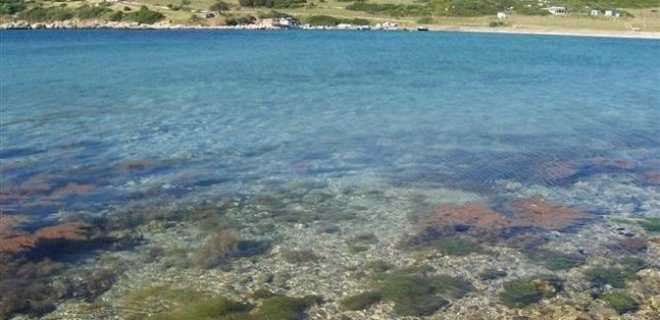
Why Demirlici Beach Dominates the Day-Trip Scene
Demirlici Plajı isn’t exactly a hidden gem. It’s loud. It’s busy. And for many, that’s exactly the point.
This is a spot where locals and foreigners collide in equal measure. You don’t come here for solitude. You come for the water. You come for the sand.
Most visitors treat this as a day-trip destination. They arrive in the morning. They pack a picnic. They leave before the sun dips below the horizon. It’s efficient. It’s simple. It’s how the beach is meant to be experienced by the masses.
The draw is straightforward. The sea is clean. The coastline stretches out with inviting white sand. If you just want to swim and soak up the sun without the hassle of overnight bookings or complex logistics, this is where you go.
Planning Your Visit to Demirlici Plajı
Since the vast majority of people here are day-trippers, the logistics are surprisingly low-stress. You don’t need a tent. You don’t need a reservation.
Where to stay nearby:
If you’re driving from the city, the coastal roads are well-maintained. Parking can get tight on weekends, so arriving by mid-morning is wise.
What to bring:
The amenities are there, but they get crowded. Bring your own towel. Pack enough water. The vendors on the beach are plentiful, but why pay premium prices for a bottle of water when you can save ten lira and walk further down the shore?
Best time to go:
Early morning beats the heat. Late afternoon beats the crowds. Midday? That’s when the beach is at its most vibrant—and most congested. If you want to actually see the blue of the water without a sea of umbrellas in your frame, aim for the first few hours after sunrise.
The Vibe: Noise, Energy, and Sea Air
There is no quiet corner here. If you seek silence, look elsewhere. Demirlici Plajı is about energy. It’s about the sound of waves crashing against the shore and the murmur of hundreds of conversations happening at once.
It’s a social beach. You’ll hear Turkish, English, German, Russian. People are here to relax, but they’re also here to be seen. The atmosphere is festive.
For some, that’s exhausting. For others, it’s the main event.
The beach itself is well-maintained. The sand is soft. The water clarity is decent, especially if you walk out past the initial entry points. It’s not crystal-clear turquoise like some private resorts, but it’s clean enough for a refreshing dip.
What’s Actually Worth Doing Here?
- Swim in the open sea. The entry is gentle. The depth increases gradually. It’s safe for families.
- Walk the shoreline. Don’t just sit. The beach stretches for miles. Walk until the crowd thins out. You’ll find quieter patches if you keep moving.
- Eat local. There are fish restaurants nearby. The seafood is fresh. It’s not cheap, but it’s authentic.
- Watch the sunset. Even if you’re leaving in the evening, the view from the water’s edge is worth staying for. The sky turns orange and
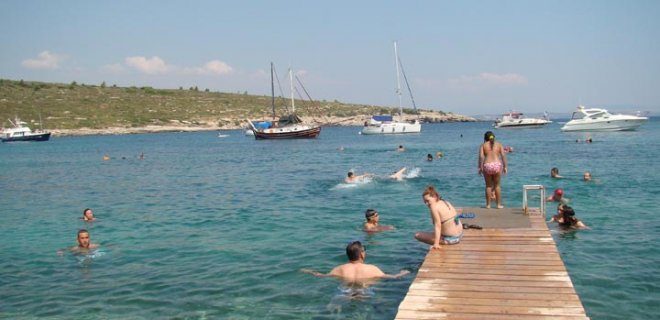
Escape the noise at Güvenlik Tepesi
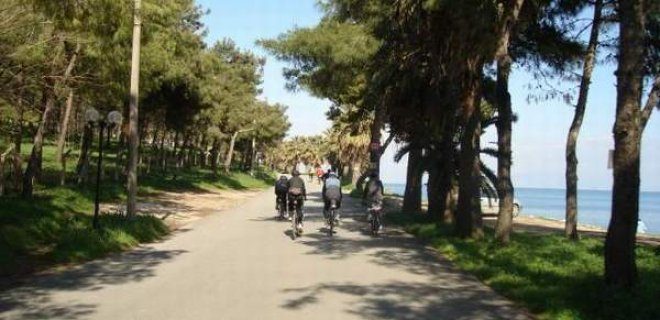
If you need a break from the city grind, Güvenlik Tepesi offers exactly that. It is not a formal park with manicured lawns and ticket booths. It is a sprawling picnic and mesire area, designed for locals looking to disconnect. The landscape is dominated by deep greens, thick with trees that provide natural shade.
The silence here is heavy. You can hear birds. You can hear the wind in the branches. It is quiet enough to actually think.
Where to go and what to bring
This is not a place for high-tech gear. It is a place for blankets, sandwiches, and good conversation. Bring a thermos. The air stays cool even when the sun hits hard. There are no food stalls inside the reserve, so pack light but smart.
When to visit
Early morning is best. The light is soft. The shadows are long. By noon, the heat rises and families start to fill the open spaces. If you want solitude, go before 9 AM. If you want company and noise, come after 2 PM.
Logistics and costs
Entry is free. No gates. No turnstiles. Just roads leading into the green. Parking is available along the perimeter, though spots fill up fast on weekends. Public transport options are limited, so a car or taxi is the practical choice.
What makes it worth it
It is not about sightseeing. It is about relief. The trees are mature. The grass is thick. You can lay down and look up at the canopy. It is simple. It is effective.
“The silence here is not empty. It is full of peace.”
Some people call it boring. They miss the point. The value is in the lack of stimulation. You come here to stop doing things. To sit. To breathe.
The path winds through the trees. It is uneven. Watch your step. The roots are exposed. But the reward is the view. A wide expanse of green that stretches out toward the horizon. The sky looks closer here.
Weekends get crowded. Families spread out their checkered blankets. Kids run. Dogs bark. It is lively. But if you go on a Tuesday, it is yours alone. The cost is zero. The time required is minimal. The return on investment is mental clarity.
Do not expect luxury. Expect nature. Raw and unpolished. That is what Güvenlik Tepesi delivers. Nothing more. Nothing less.
The city breathes differently after the tourist hubs fade. You step off the main drag in Konak, past the clock tower that has watched over the bay for nearly a century, and the noise of the ferries recedes into a hum. This is where the real rhythm of İzmir lives. It isn’t in the glossy brochures or the crowded beaches. It’s in the quiet courtyards of Şifne, the salt-kissed air of Karaburun, and the ancient stones of Bergama that feel less like a museum and more like a living room.
The Weight of History in Bergama
If you are looking for Bergama Gezilecek Yerler, start at the Acropolis. It dominates the skyline, a jagged crown of marble against a blue sky. The Temple of Trajan stands tall, its columns unbroken by time in a way that few other Roman structures survive. But the real story isn’t just the grandeur. It’s the Pergamon Library, where Archimedes is rumored to have written his works. The acoustics here are strange. Silence feels heavy.
You can rent a car from the city center in about an hour. The drive is winding, dusty in places, but the payoff is immediate. While many rush to just take photos and leave, staying overnight changes the experience. Bergama’daki Tarihi Oteller offer a chance to see the ruins lit up at night, when the crowds vanish and the shadows lengthen across the theater seating. It’s quiet. Almost eerie. The thermal springs nearby are also worth a visit, though the water is hot enough to test your patience. Go early in the morning.
Alaçatı’s Walled Gardens and Stone Streets
Move west toward Çeşme, and the landscape shifts. Alaçatı is not just about wind surfing, though that’s its claim to fame. The Alaçatı’daki Tarihi Oteller are built into the fabric of the town—restored stone mansions with high walls and hidden courtyards. You can spend hours just walking the cobblestone streets, looking at the architecture. It’s Aegean style at its most refined.
Why go here? For the light. The sun hits the stone facades in a way that makes the whole town glow orange in the late afternoon. You can find small boutiques selling handmade ceramics or leather goods. The prices are higher than in the city, but the quality matches. If you’re planning a weekend trip, Alaçatı’daki Tarihi Oteller fill up fast. Book weeks in advance. Don’t rely on last-minute apps.
Foça’s Salt and Silence
North of Çeşme lies Foça. It’s smaller, quieter, and arguably more authentic. The harbor is lined with fish restaurants, but skip the ones with the loud speakers. Go for the salt flats instead. The Foça Gezi Rehberi should mention these as a key stop. They are vast, flat expanses where salt is harvested by hand. The light there is blindingly bright, reflecting off the white crust. It’s a surreal landscape, especially in the heat of July.
The town itself has a slow pace. You can walk from one end