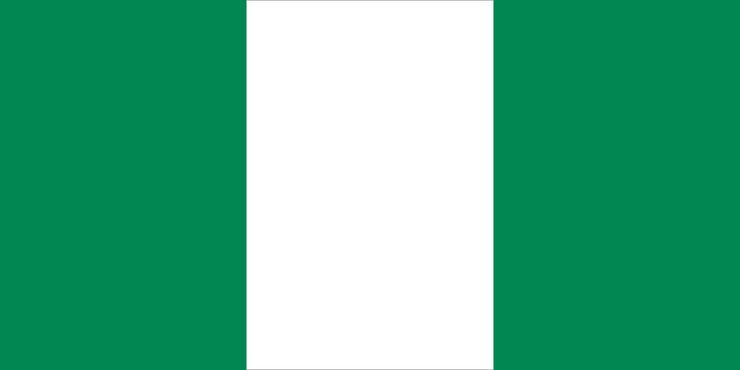
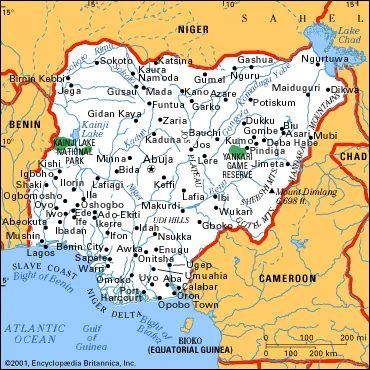
Nigeria is not a country you visit lightly. It is a beast of a nation, sprawling across 356,669 square miles of western Africa with nearly 240 million people calling it home. If you are planning a trip, you need to understand that this is not a relaxed beach holiday. It is a place of intense energy, deep history, and complex logistics.
The capital is Abuja, not Lagos. That alone throws many first-time visitors off. Lagos remains the economic heartbeat and the largest city, but political power moved to the central federal capital in 1991.
Understanding the Nigerian Context
Before you book flights, grasp the scale. The population is estimated at 239,430,000 for 2026. That density changes everything about travel.
Nigeria is a federal republic. The government structure has two legislative bodies. The head of state is the president. This political stability has been hard-won.
The country sits on plateaus and lowlands. The Niger River feeds these basins. It defines the geography. It defines the economy.
Nigeria’s economy is mixed. Petroleum production is king. Agriculture follows. Manufacturing is growing, but services and trade employ more than two-fifths of the workforce. When you travel, you are moving through a developing economy. Expect variability.
Historical Weight on the Road
You cannot walk through Nigeria without feeling its past. It has been inhabited for thousands of years.
The Nok culture ruled from 500 BCE to 200 CE. Their terracotta heads are now in museums worldwide, but their influence lingered.
Precolonial empires shaped the land. Kanem-Bornu. Benin. Oyo. These were powerful states. The Hausa and Fulani also built their own kingdoms.
Then came the Europeans in the 15th century. The slave trade began here. It was a dark center for the trade in enslaved people.
British control started in 1861. By 1914, it was a British colony. Independence came in 1960. A republic followed in 1963.
Then came the strife. Ethnic tensions led to military coups. Military rule lasted from 1966 to 1979 and again from 1983 to 1999.
The civil war between 1967 and 1970 was brutal. The federal government fought Biafra. The Eastern region surrendered after perhaps a million Biafrans died by starvation. This history is raw. It is not sanitized for tourists.
Ken Saro-Wiwa was executed in 1995. International sanctions followed. Civilian rule finally returned in 1999 with the election of a president.
But the friction remains. Ethnic strife erupted in the early 21st century. Protests over oil production continue in the Niger Delta. Friction between Muslims and Christians increased when northern and central states adopted Islamic law, or Sharia.
Culture and Daily Life
Nigeria has more than 250 ethnic groups. This diversity is its greatest asset and its biggest challenge.
The major groups include:
– Hausa
– Fulani
– Yoruba
– Igbo
Each has distinct traditions. Each has distinct languages, though English is official. Hausa is also widely spoken.
Religion is a major divider and connector. Christianity (Protestant,