
Racine doesn’t ask for much. It sits quietly in southeastern Wisconsin, hugging the eastern shore of Lake Michigan about 25 miles south of Milwaukee. If you’re driving down from the Windy City, it’s an easy detour. But don’t mistake its quiet demeanor for irrelevance. This city has been working hard since before it had a name that stuck.
The land was originally home to the Miami and Potawatomi peoples, long before it became a dot on the American map. In 1834, a lake captain named Gilbert Knapp founded it as Port Gilbert. A few years later, in 1841, the name changed to Racine. It comes from the French word for “root,” likely referencing the Root River that spills into the lake right here. The harbor improvements in the 1840s and the railroad arriving in the 1850s turned this quiet spot into an industrial powerhouse. Danish immigrants poured in during the 19th century, leaving a mark that you can still feel if you know where to look.
Where to Start in Racine
You don’t need a map to find the best parts of town. You just need to follow the architecture and the water.
The SC Johnson administration and research complex is not just a workplace. It’s a pilgrimage site for anyone who appreciates design. Frank Lloyd Wright designed it, and you can see his influence in every angle and beam. It’s the heart of the city’s manufacturing identity. Racine makes chemical home products, farm machinery, metal castings, and transmissions. It’s a serious place for making things.
But the city isn’t just about industry. It’s about art, too. The Racine Art Museum, which reopened in a new building in 2003 after its 1941 founding, holds an extensive collection of American crafts. It’s worth an hour of your morning.
If you want something lighter, head to the free zoo. It’s small. It’s accessible. It’s perfect for a quick break from the hustle. The history museum is another easy stop. It keeps the local stories alive.
The Lighthouse and the Legend
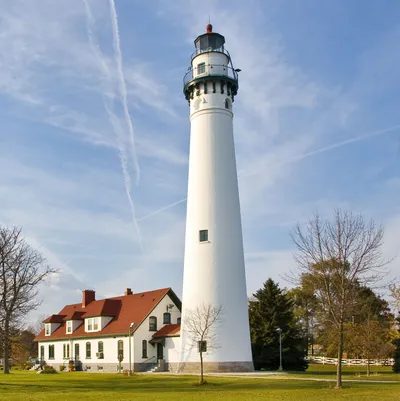
You can’t visit Racine without seeing the water. Specifically, you need to see the Wind Point Lighthouse. Built in 1880 and automated in 1964, it’s the oldest active lighthouse on Lake Michigan. Standing there, looking out at the vast expanse of gray water, you understand why this place was settled. The lake is beautiful but unforgiving.
The light still guides ships. It has for over a century.
Then there’s the darker side of local lore. Racine has a display commemorating the 1933 bank robbery by John Dillinger and his associates. It’s a quirky piece of Americana. Dillinger was on the run, and Racine was one of the places he stopped. You can see the exhibit and picture the tension. It adds a layer of grit to the otherwise pleasant coastal vibe.
Who Lives Here and When to Go
The population hovers around 80,000 in the city proper, with the metro area pushing just past 190,000. It’s not a