You wanted peace. You wanted love. You wanted LSD.
It was the 1960s and a generation of kids looked at the world their parents built and said nope. War. Conformity. Buying things just because. All of it. Instead, they grabbed music. Communes. Psychedelics. A vision of freedom so radical it terrified their elders. For a moment. Then it crumbled. Almost as fast as it started.
Where did they come from?
Not nowhere. Never nowhere.
They stood on the shoulders of weirdos who came before them. Look at bohemianism. Started in early 19th-century Europe. Artists. Poets. People who hated middle-class boredom and chose art and poverty. They liked free love. They dressed strangely.
Then there was transcendentalism. Thoreau. Emerson. They said live simple. Resist bad government. Be spiritually independent.
Closer to home were the Beats. 1940s. 1950s. Kerouac. Ginsberg. Burroughs. Cassady. They rejected postwar conformity. Jazz played loud. Fashion came from musicians. Poetry happened in real-time. Beat poetry wasn’t planned. It was spontaneous. It broke the rules.
But the hippie movement itself? It started in San Francisco. Mid-1960s specifically.
The Haight-Ashbury District. Why? Cheap rent.
That’s the first secret. It wasn’t just idealism. It was cheap rent. Artists and students and dropouts moved in. The area felt different. Bohemian. Mainstream America didn’t exist here. You had coffee houses. Boutique shops. Stores selling drug stuff. Kids from conservative homes ran here. They wanted out.
They called themselves flower children. Or freaks. Or The Underground.
“Hippie” was an insult.
Old people used it. Journalists used it. It came from “hip” which the Beats used first. But the kids didn’t identify with the name. They hated it. Or ignored it.
Most were Boomers. Born right after World War II. They grew up in the 50s. High consumerism. Cold War terror. Duck and cover drills. Soviet paranoia.
They felt isolated. Inside the suburbs. They wanted something more. Something real.
So they found each other. Large groups. Communes.
Holistic medicine. Organic diets. No processing.
The clothes changed too.
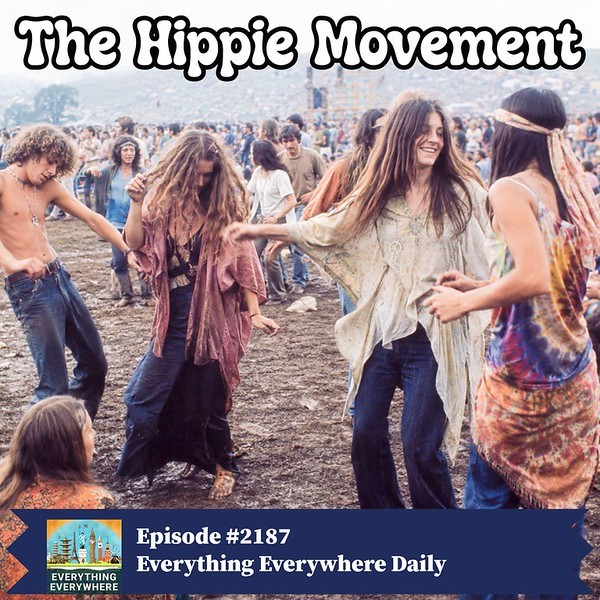
Men grew hair. Scraggly. Beards. Women kept long hair too. Loose. Wild. Clothes were loud. Psychedelic colors. Flowers in the hair. Bell-bottoms. Victorian shawls. Beads. Sandals.
It leaked everywhere.
Not just hippies. Fashion. Ads. Design. The whole world started looking like San Francisco in the 60s.
Drugs defined it though.
LSD. Marijuana. Not just fun. Deep integration. Parties had it. Protests had it. Concerts had it.
This birthed psychedelic rock. Acid rock.
And it doomed the movement. But later.
For now? Nature was holy.
Eco-living. Self-sufficiency. They grew their own food. Organic. Hippies pushed for the first Earth Day.
They lived in communes. About 3,000 of them.
Each one unique. Some Christian (Jesus Freaks). Some Buddhist. Hindu. Atheists. Some drank and took drugs freely. Some banned substances. Some wore clothes. Some wore nothing.
But there was no government.
No boss. No structure.
People stopped working. They just hung out. Or tripped. Money ran out. Tension spiked. Older kids left. They went home. Or found a new commune.
It was beautiful. It was impractical.
Public gatherings were called Be-ins. “Be” plus “Sit-in.”
The Gathering of Tribes. San Francisco. 1967.
It sparked the Summer of Love.
100,000 kids poured into Haight-Ashbury. They wanted peace. Love. Music.
They got chaos.
Overcrowded. Filthy. Exploited. The promise broke under the weight of bodies.
Then came Woodstock.
August 1969. Upstate New York. 400,00 people.
Rain. Mud. Traffic jams. Shortages of food and toilets. Logistical hell.
Yet. It’s remembered as peaceful.
Music. Cooperation. Idealism.
Hendrix. Joplin. The Dead. The Who. Santana. CSN&Y.
Woodstock became the myth. A temporary city where kids proved they wouldn’t turn on each other.
Can you have that without war?
No. Vietnam was the engine.
At first? Hippies weren’t political. They wanted consciousness changes. Personal stuff. Relationships. Daily life.
Then the war escalated.
The draft meant forced death in a war most saw as immoral. Television brought it into living rooms. Bombs. Burning villages. Wounded boys. Suffering civilians.
You couldn’t ignore it.
Hippies overlapped with the anti-war movement but weren’t identical. SDS (Students for a Democratic Society) was political. Organized. Hippies emphasized peace. Love. Spiritual transformation.
“Make Love, Not War.”
Printed in Berkeley. Perfect summary of the ideology.
Then it ended.
Four months after Woodstock.
Altamont. California. December 1969.
Headlined by The Rolling Stones. Poorly organized. Violent.
Who did security? Hells Angels.
During the concert, a kid named Meredith Hunter held a gun. An Angel stabbed him to death near the stage. On camera.
Altamont killed the myth.
Hopeful Woodstock imagery replaced by violence. Bad planning. Drug abuse. Danger.
Same year: The Manson Family murders.
Charles Manson wasn’t a hippie. Not really. But he used their language. Communal living. Sex. Music. Drugs. Manipulated horribly.
To the American public already suspicious of these kids? Manson confirmed everything. Fear. Horror. The end of innocence.
Hippies weren’t loved universally.
Even George Harrison of the Beatles hated it.
He went to Haight-Ashbury in 67. Expected gypsies. Artists. Workshops.
He saw bums.
Young kids. All over America. Dropped acid. Called it a Mecca of LSD.
He saw addiction. Not spiritual awakenings. He saw people sitting on pavement begging. Hypocrites making fun of tourists while holding hands out. He quit LSD after that trip.
The movement waned in the 70s.
Why?
War winding down. Draft ended in 1975? No 1973. Combat troops pulled out. Antiwar activism didn’t vanish but the urgency did.
Drug problems.
LSD replaced by heroin. Cocaine. Alcoholism. Addiction. Homelessness. Mental breaks. The romance faded.
Poverty. Impracticality.
High ideals. Low survival skills. Shared property failed. No leadership meant no work.
They grew up.
Long hair tied back. Vibrant colors faded to suits. They went to work. School. Became Yuppie suspender-wearing 1980s conservatives. The society they rejected swallowed them.
The hippie movement burned bright. Briefly.
But it stuck.
20th century defining revolution. Fashion remains. Beliefs persist. Less rigid. More expressive. A dream of peace and love changed the culture forever even if the utopia never arrived. Naivete failed them. Drugs failed them. Internal contradictions broke them.
But they succeeded as a force.
Not a revolution.
Just a feeling. That stayed.
The executive producer is Charles Daniel. Associate producers are Austin Oetken and Cameron Jeffries? No, Kieffer. Cameron Kieffer. Research and writing by The Olivia Ashe.
A review from listener Leeeesssssssssaaaaaa. She loves it. Her 12-year-old asked about the completionist club. She serves Philly Cheesesteaks in her region chapter. Go Birds.