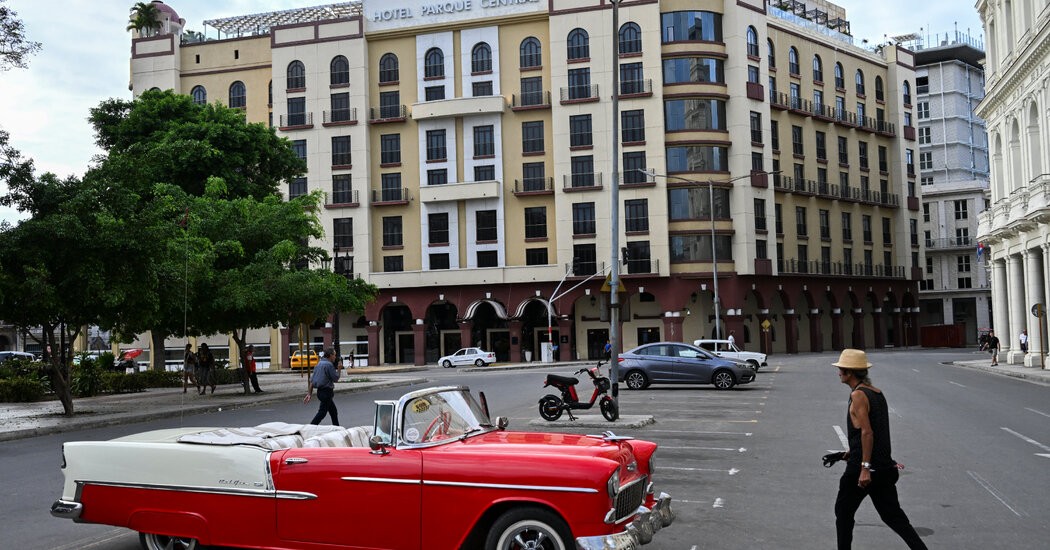
Cuba is experiencing a severe energy crisis that is crippling its economy and disrupting travel plans for tourists and residents alike. The situation has escalated dramatically in recent weeks, with widespread power outages and flight cancellations becoming commonplace.
The Root of the Problem: Oil Shortages
The core issue stems from a critical shortage of oil, the primary fuel source for Cuba’s power generation. This scarcity is not natural; it is a direct consequence of geopolitical pressure. In January, the Trump Administration directed Venezuela to halt oil shipments to Cuba, effectively cutting off a vital supply line. As President Díaz-Canel stated, the island has gone three months without oil imports, pushing the national grid to the brink.
On March 16, the Cuban energy ministry reported a “complete disconnection” of the national grid, meaning the entire country was plunged into darkness. This is not an isolated event; rolling blackouts have been frequent and unpredictable, lasting hours or even days in some areas.
Impact on Tourism: A Rapid Decline
The energy crisis is exacerbating an already worsening situation for Cuba’s tourism industry. The number of visitors has plummeted from a peak of over 4 million in 2019 to roughly 2 million last year, according to the Cuban government’s Office of National Statistics and Information.
The recent easing of investment restrictions—allowing Cubans abroad to invest directly in businesses on the island—may provide some economic relief. However, it is unlikely to offset the steep decline in tourism revenue, which is crucial for the country’s survival. Travelers now face increased uncertainty, with flights frequently canceled or delayed due to power disruptions at airports and logistical challenges.
Why This Matters
Cuba’s energy crisis highlights the vulnerabilities of nations heavily reliant on external supply chains, particularly when those supplies are weaponized for political ends. The situation underscores how quickly a nation’s infrastructure can collapse when critical resources are restricted. The consequences extend beyond mere inconvenience; they include economic hardship, social unrest, and a further erosion of stability for an already fragile state.
The long-term effects remain uncertain, but one thing is clear: Cuba’s tourism industry and its broader economy are in dire straits, and the path to recovery will require addressing both the energy crisis and the geopolitical pressures that fuel it.