
Recent comments from U.S. Transportation Secretary Sean Duffy suggest a potential shift in the regulatory landscape for the American aviation industry. In a recent interview on CNBC, Duffy signaled that the federal government may be more open to airline mergers than previously anticipated, hinting that the incoming administration favors “big deals.”
A Shift in Regulatory Tone?
The conversation centered on the growing speculation that one of the “Big Four” U.S. carriers (American, Delta, United, and Southwest) might acquire another airline. Historically, regulators have been wary of such moves due to fears of reduced competition and higher ticket prices. However, Duffy’s stance appears notably pragmatic.
When asked if there is room for further consolidation in the industry, Duffy responded affirmatively. He noted that while any deal must undergo rigorous review by the Department of Justice (DOJ) and the Department of Transportation (DOT), he expressed an openness to the idea.
“President Trump loves to see big deals happen… I think, who knows who’s going to match up, right? There’s always chatter, but is there room for some mergers in the aviation industry? Yeah, I think there is.”
Balancing Monopoly Risks with Global Competitiveness
A primary concern with airline mergers is the erosion of market share. If a major carrier moves from a 20% market share to 35%, it could create a domestic monopoly in certain hubs, potentially hurting consumers.
Duffy addressed this by suggesting a “case-by-case” approach. He indicated that the administration would likely require concessions —such as the “peeling off” of certain assets or routes—to ensure that no single airline gains too much control over the nation’s infrastructure.
His reasoning appears to be driven by two main factors:
1. Consumer Protection: Ensuring that mergers do not result in a lack of choice for travelers.
2. Global Competition: Strengthening U.S. carriers so they can compete effectively against massive international airline groups on the world stage.
The JetBlue Factor: A Potential Catalyst
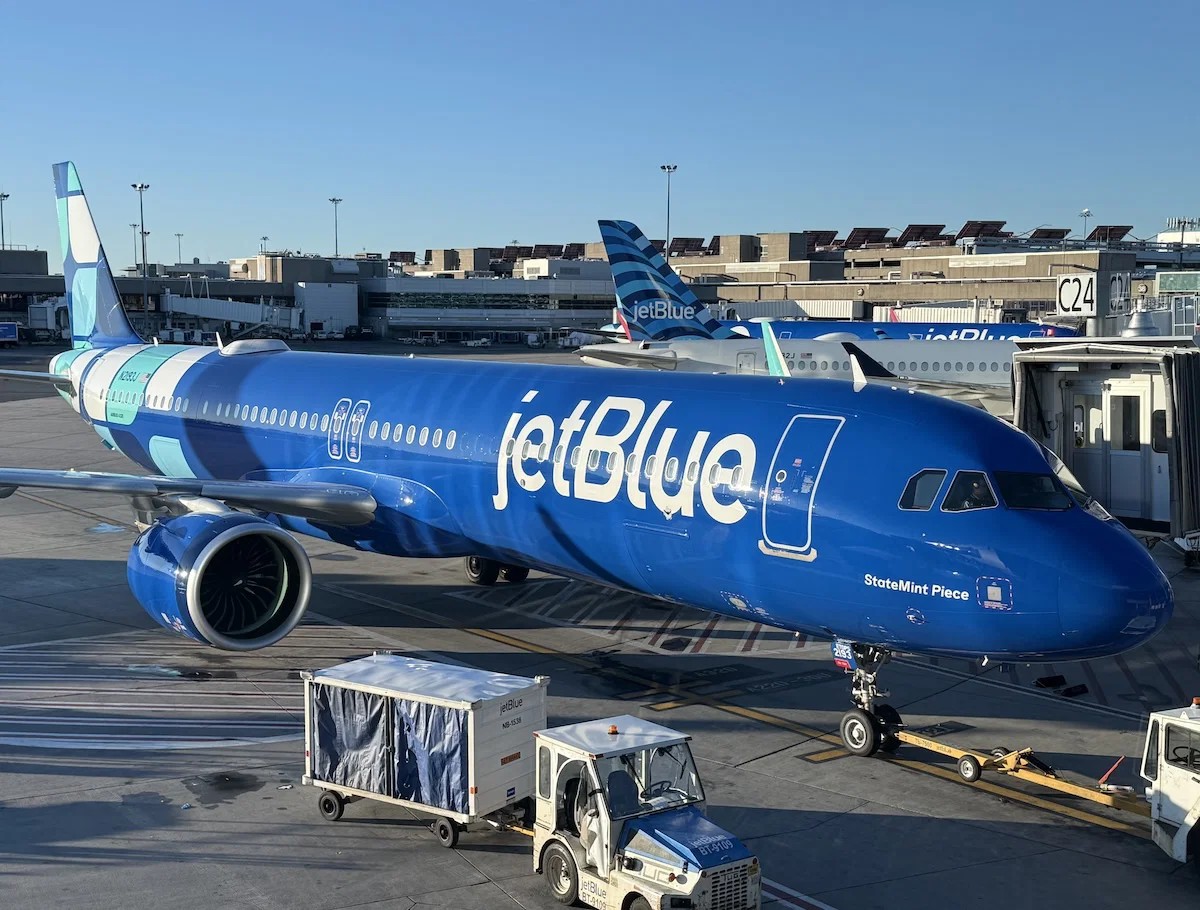
While Duffy did not name specific companies, industry analysts point toward JetBlue as the most likely candidate for a takeover. Despite its strong passenger reputation, JetBlue faces significant structural challenges, particularly its heavy reliance on New York’s JFK airport, which can be difficult for purely domestic operations.
Several factors are converging to make a merger more plausible now than in previous years:
- Economic Pressure: Rising oil prices are squeezing margins across the industry, making mergers a matter of financial survival for some players.
- Political Alignment: Key industry leaders, such as United Airlines CEO Scott Kirby, have maintained positive relationships with the incoming administration, which may ease the path for regulatory approval.
- Strategic Timing: There is a window of opportunity to pursue deals before the political landscape shifts again during the midterm elections.
The Competitive Landscape
The potential for movement is high, but not all airlines are equal candidates:
* United Airlines: Has long been rumored to have an interest in JetBlue, though leadership has sent mixed signals regarding their level of commitment.
* American Airlines: Could arguably benefit the most from a JetBlue acquisition in terms of consumer value, though their current financial position remains a hurdle.
* Alaska Airlines: Currently focused on the complex integration of Hawaiian Airlines, making a new merger unlikely in the immediate term.
* Southwest Airlines: Generally viewed as an unlikely candidate for a major merger given its unique business model.
Conclusion
The remarks from Secretary Duffy suggest that the era of strict anti-merger sentiment may be giving way to a more deal-oriented approach. If the administration prioritizes “big deals” and global competitiveness, the U.S. aviation landscape could see significant consolidation in the near future.