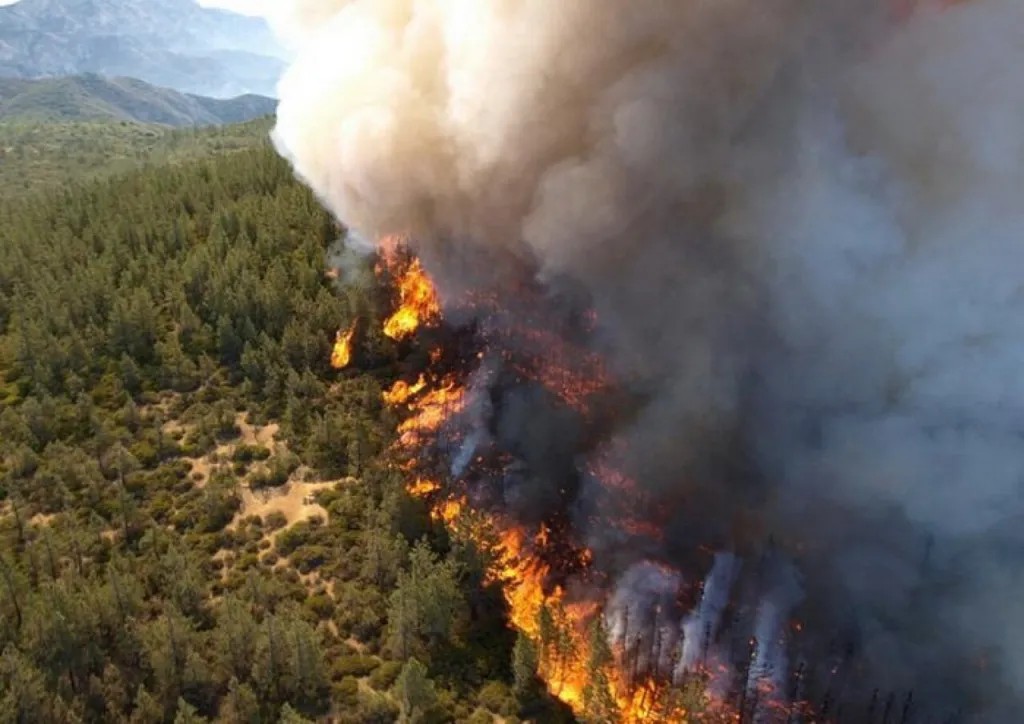
Wildfires are no longer just a West Coast problem. They are a national crisis, and the hospitality industry is getting hit with the bill. Literally.
Hotels in fire-prone zones are facing skyrocketing insurance premiums. Some are seeing rates double or triple. Others are being dropped entirely. This isn’t about luxury upgrades or marketing fluff. It is about survival.
How wildfire risk is changing hotel insurance markets
The traditional model of property insurance is breaking down in high-risk areas. Insurers are recalibrating their risk models in real time. They look at vegetation density, historical fire patterns, and local weather conditions. If a property sits near a forest, the cost of protection goes up.
Property owners are forced to choose between three bad options:
– Pay the inflated premiums and eat the cost.
– Invest heavily in fire mitigation, like creating defensible space or installing sprinklers.
– Sell the asset to an investor willing to gamble on the risk.
The market is telling us that fire risk is no longer an abstraction. It is a line item on the balance sheet.
This shift changes how hotels are built and maintained. New developments in California, Colorado, and Washington are increasingly requiring fire-resistant materials. Wood siding is out. Metal or stucco is in. It makes sense. Fire spreads through fuel. Remove the fuel, and you lower the odds.
But what about existing buildings? Retrofitting is expensive. Many hotel owners are stuck in the middle. They cannot pass all the costs to guests. Travelers are price-sensitive. A room that costs 40% more because of insurance will simply go unbooked.
Why travelers should care about wildfire preparedness
Guests do not always understand the complexity behind rising rates. They see a price hike. They assume greed. The reality is often risk management.
Smart travelers are starting to look for signs of preparedness. Does the hotel have an evacuation plan? Is there a water reserve? How close are they to the wildland-urban interface? These questions matter. Safety is part of the experience.
Some brands are leading with transparency. They publish their sustainability and safety reports. They highlight their fire-resistant infrastructure. It is a differentiator. In a world where nature is unpredictable, certainty is valuable.
Which strategies work for reducing wildfire exposure
There is no magic bullet. Mitigation requires a combination of physical changes and operational