
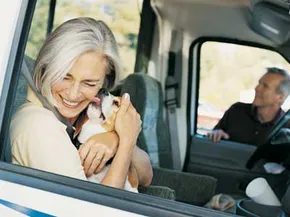
The calendar turns. The itinerary is locked. You are trading your living room for a tropical breeze or a visit with family, and suddenly, you are staring at a dog who doesn’t understand why the leash isn’t coming out. It happens to everyone who travels. The stress spikes. You want the perfect trip. You don’t want to leave your companion behind in misery.
Not all pets handle separation the same way. Some dogs trot into a kennel like it’s a summer camp, tail wagging, ready to play. Others shut down. They refuse food. They whine until their voice gives out. Some owners drop their pets off without a second thought. Others lose sleep for weeks wondering if the water bowl was changed. The gap between the pet’s tolerance and the owner’s anxiety is where the real planning happens.
Finding the right setup reduces the panic. It starts with preparation. Teach basic commands if they aren’t solid. Expose your pet to new people and other animals before you ever leave town. You are building a buffer against the unknown. Remember the scale of this. Thirty million pets stay in boarding facilities in the United States and Canada every single year. Your pet isn’t breaking new ground. It’s a routine. If you select carefully, you can find a spot that keeps both of you calm.
Different Types of Pet Boarding Facilities
When you search for pet care, the options are vast. The right choice depends entirely on your animal’s personality and your budget.
Traditional Kennels and Cages
This is the classic image of boarding. Rows of cages. Staff on hand around the clock. It’s structured. Predictable. Good for pets who need a secure, contained space.
- Cost: Generally the most affordable option. Expect to pay between $25 and $75 per night, depending on location and size of the dog.
- Best For: Dogs who like routine and don’t mind short periods of confinement.
- Logistics: Requires you to drop off and pick up at specific times. Less flexibility than in-home care.
- What to Look For: Cleanliness is non-negotiable. Ask about exercise breaks. Do they get out of the cage? How many times a day?
Boarding Homes and In-Home Care
A host takes your pet into their own house. It feels more like staying with a friend than a hotel.
- Cost: Varies widely. $30 to $100+ per night. Often includes feeding and playtime.
- Best For: Pets who suffer from kennel anxiety. Those who need more attention or have medical needs.
- Logistics: Usually more flexible drop-off/pick-up times. You meet the host first.
- What to Look For: Check reviews. Visit the home if possible. Ensure other animals in the house are compatible.
Luxury Pet Resorts
Think spa services. Private suites. Video cameras for owners. It’s pampering.
- Cost: Premium. $100 to $200+ per night.
- Best For: Pets who are used to high-end living. Owners who want constant updates.
- Logistics: Often requires vaccinations, behavior assessments, and sometimes a trial stay.
- What to Look For:

Walk into a modern pet boarding facility and you won’t find the grim rows of metal cages from twenty years ago. That’s not to say every place has upgraded. Some still rely on traditional kennels, offering an extra-fee outdoor run for the brave. But the industry has shifted. If your dog is crate-trained, a private kennel can actually feel like a safe haven. It’s their den. For dogs that hate crates, however, that same space feels like solitary confinement. Smart operators know this. They’ve moved away from solitary confinement toward communal living.
The Communal Room Risk
Some facilities prioritize socialization. They put pets in large, shared rooms. It’s great for dogs that crave company and cats that don’t mind a roommate. But it’s a gamble.
The success of a communal room depends entirely on the handler’s experience. You need someone who can read body language, not just open doors.
Dogs are the tricky part. An experienced staff member can separate a shy pup from a bossy one. They look at size and temperament. An inexperienced worker might just separate the dogs that are actively fighting. That leaves the nervous dog in a pack with aggressors. No blood may be drawn. But the stress? It’s real. The submissive dog spends the whole stay on edge.
Cats are different. Altered cats often get along fine in large groups. As long as there are enough litter boxes and space to hide, they’re usually okay. But you have to watch for the signs of distress.
Visit the facility before you commit. Watch the animals. Are they relaxed? Or are they pacing?
Signs of Stress You Can’t Ignore
If you visit, keep your eyes peeled. Ignoring subtle cues is a mistake.
For dogs, look for:
– Shaking
– Scratching at nothing
– Refusing to eat
– Avoiding eye contact
– Growling or biting
For cats, watch for:
– Spraying urine
– Pacing relentlessly
– Pulling out fur
– Excessive meowing
If you see these signs, leave. That facility is not ready for your pet’s personality.
The Vet Option: Safety Over Luxury
Another option is leaving your pet with your veterinarian. Many clinics offer boarding. It’s often a secondary service, so don’t expect luxury suites. The facilities might be dated. Your pet might spend most of the day in a crate, only let out for short, supervised walks.
Is this a bad deal? Not necessarily. It depends on your pet’s needs.
If your pet has a chronic health condition or is elderly, a veterinary clinic is often the safest choice.
A standard boarding facility can handle emergencies. But a vet is in the emergency. If your dog has heart issues or your cat needs insulin, being next to the equipment and the doctors is a huge advantage. It’s not about comfort. It’s about peace of mind.
Pet Sitters: The Home Advantage
Then there’s the pet sitter. They come to your house. They feed, walk, and clean up. Some even water your plants or bring in the mail.
Why choose this over a facility? Your pet stays in its own territory. No strange smells. No strange noises. Just routine.
Why choose a facility instead? Constant supervision. A sitter might visit twice a day for thirty minutes. That’s it. For a high-energy dog, that’s not enough. A facility offers all-day attention.
There is no right answer. Only what works for your specific situation. Some pets thrive on socialization. Others need the quiet of their own living room. Some need medical monitoring. Others just need to not be alone.
How Pets Adjust to Boarding

Most pets settle into boarding with varying degrees of success. Dogs often thrive if the facility matches their energy. Others shut down. They stop eating. They pine. Cats are a different beast entirely. They despise change. Travel stresses them out. You might expect them to starve themselves out of spite. That rarely happens. They usually just sulk in silence while still drinking water.
Assume your pet’s unhappiness is because they miss you. It’s a flattering thought. It’s also often wrong. A high-energy dog fine for a 24-hour stay might break down after day three. Small runs don’t replace the yard. A dog used to table scraps won’t eat kibble. It’s not stress. It’s a protest against bland food.
Optimizing Exercise and Routine
Check the facility’s exercise policy before you book. Compare it to your pet’s daily routine. If they get three hours of jogging a day and the kennel offers one short walk, that’s a problem. Ask about adding paid extra walks. It’s cheaper than a nervous breakdown later.
Feed your pet their standard kibble for a week before drop-off. If they are used to treats or human food, switch to pet treats now. Pack a supply of those exact treats. Consistency is the only thing that keeps them calm enough to eat.
Bring their own bed or toy. Only if the facility separates animals. If it’s an open group play area, leave it at home. Pets hoard resources like toddlers. Your pet won’t share. The others will try to force it. In communal spaces, everything is public property. You can send treats, but be prepared for them to be shared too.
Recognizing Severe Anxiety
How do you know when stress becomes a medical emergency? Normal separation anxiety looks like pacing. It looks like whining. It looks like waiting by the door. Severe anxiety looks like aggression.
Watch for these red flags:
- Dogs ignoring commands
- Extreme lethargy
- Unprovoked biting or growling
- Cats refusing to eat entirely
- Constant meowing or hiding in corners
Exercise is the first line of defense. Extra walks burn off the nervous energy. If that fails, talk to your vet. Prescription anti-anxiety meds like clomipeamine are an option. Not a first resort. A last one.
Health Concerns When Boarding Your Pet
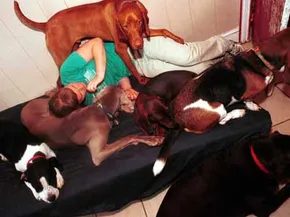
You think you’ve handled the logistics. You’ve booked the sitter. You’ve packed the food. But have you actually checked the health records?
Any time your pet enters a space where it will touch other animals, the risk profile changes instantly. It’s not just about cuddles and playdates. It’s about transmission. Before you hand over the leash, you need to be ruthless about vet records.
Make sure your furry friend is current on every vaccination recommended by their veterinarian. And I don’t mean just the core ones. Heartworm prevention is non-negotiable. So is flea and tick control. Most boarding facilities will demand proof of shots. They rarely ask for proof of parasite control. If your pet isn’t on that preventative medication, they might leave the facility with a full-blown infestation. Or worse.
Timing Is Everything
If your pet is due for shots, do not wait until the day of drop-off. Schedule those inoculations several weeks before your trip.
Why? It takes time for the body to build actual immunity. You do not want to drop off your dog while their immune system is in a vulnerable, post-vaccination window.
For dogs, the protective shield needs to cover rabies, distemper, hepatitis, leptospirosis, parainfluenza, parvovirus, and bordetella (kennel cough). Cats have a slightly different checklist: rabies, distemper, feline rhinotracheitis, calicivirus, and pneumonitis.
“Immunizations are not 100 percent effective. The best defense is a healthy environment.”
The Community Health Factor
Your pet’s immunity only gets you so far. The real danger lies in the other animals sharing the air and space.
Ask the facility directly: What are their vaccination requirements? Do they require proof upon drop-off? If a facility is lax on entry standards, you are gambling with your pet’s health. Even if your dog is perfectly protected, exposure to sick animals increases the load on their immune system. You want to ensure the other pets around them are healthy too.
The Kennel Cough Threat
Bordetella, commonly known as kennel cough, is the nightmare scenario for boarding facilities. It’s an upper respiratory infection. It is highly contagious.
The symptoms range from annoying to deadly. A mild case looks like a dry hacking cough and some watery nasal discharge. A severe case? Lethargy. Refusal to eat. Fever. Pneumonia.
Young dogs and seniors are at the highest risk. Dogs with compromised immune systems are also vulnerable. In extreme cases, kennel cough has killed.
The incubation period is tricky. Signs usually appear between two and fourteen days after exposure. The illness itself typically lasts about ten days. But here is the kicker: the bacteria can be shed for six to fourteen weeks after the dog stops showing symptoms. It spreads like wildfire because carriers don’t look sick.
Treatment depends on severity. Mild cases might respond to bronchodilators or cough suppressants. Severe cases require antibiotics. Prevention is infinitely cheaper and less stressful than the cure.
How to Choose the Right Boarding Facility
So, how do you filter the good facilities from the risky ones? You look past the glossy photos and the “luxury suites” marketing. You look at the hygiene protocols.
Ask about their cleaning procedures. How often are the common areas sanitized? Is there a policy for isolating sick animals? If a dog starts coughing, what is the immediate response?
Look at the staff-to-animal ratio. Are the caregivers attentive, or are they just filling bowls and closing gates? A facility with low staffing may miss early signs of illness in other pets.
Visit the facility yourself if possible. Smell the air. Does it smell like disinfectant, or does it smell like stale urine and fear? Trust your nose. Look at the eyes of the animals currently there. Do they look healthy and relaxed, or stressed and defensive?

Vetting the facility: Beyond the phone call
Questions are your first line of defense. But they aren’t enough. You have to walk through the doors.
Start with the basics over the phone. Is the facility a member of the American Boarding Kennel Association (ABKA)? Membership means they’ve signed a code of ethics. It also means they submit to voluntary inspections. That’s a baseline for professionalism.
Next, ask about the bad days. How do they handle sickness? What is the protocol for a pet that is visibly anxious? If your dog needs insulin or a specific brand of food, can they handle it? If you’re boarding multiple pets, can they stay together? You might save money by keeping the pack intact.
Understand the billing structure. Drop-off and pick-up times matter. Miss the window, and you pay for an extra day. Ask about exercise. Indoor-only dogs need more than a potty break. How many walks a day? What happens when it’s raining or snowing? These answers help you gauge which places are reasonable.
The site visit: Look for the details
Once you have a shortlist, go see it. A good kennel won’t blink at a pre-booking visit.
Walk in. Look around. You want cleanliness. You want light. You want air that doesn’t smell like stale urine. The temperature should be comfortable for a human, not a reptile.
Watch the staff. Do they know the animals by name? Do they act caring, or just efficient? Affection is a data point.
Check the layout. Cats need room. They need clear paths from food to litter boxes. Concrete floors are easy to sanitize, but every animal needs a soft place to lie down. If it’s all hard surfaces, walk away.
Finally, check the paper trail. Call your state’s Better Business Bureau. Are there complaints against the kennel? If the report is clean, you can book with confidence.
The cost of care
So, what’s the damage?
Prices vary wildly depending on where you are. You are paying for geography and overhead. But do not just look at the bottom line. Look at what is included.
One kennel might charge $40 a night and include two walks and yard time. Another might charge $30 but tack on $5 per walk. If you’re comparing costs, ensure you are comparing apples to apples.
“Make sure you’re comparing apples to apples when you’re choosing a kennel.”
A higher upfront price might be cheaper in the long run if it includes the extras you’d otherwise pay for separately.
The final checklist
Before you hand over your credit card, verify these points:
- Certification : ABKA membership is a good sign.
- Health Protocol : Ask specifically about sick pets.
- Special Needs : Confirm they can handle meds or special diets.
- Group Housing : Can pets stay together?
- Billing : Know the drop-off/pick-up windows.
- Exercise : Ask about bad weather contingencies.
- Facility : Cleanliness, light, ventilation, and soft bedding.
- Staff Interaction : Do they seem to care?
- Reputation : Check with the Better Business Bureau.
If the answers check out, you’re set. If not, keep looking. Your pet’s safety isn’t worth the convenience.