
President Trump has officially declared that U.S. carriers can resume non-stop flights to Lebanon. Transportation Secretary Sean Duffy responded with immediate, polished compliance: “You got it, Mr. President,” he said.
The catch? No U.S. airline is stepping forward to make that happen.
Duffy’s enthusiasm assumes the regulatory barrier is the only hurdle. He’s wrong. The actual barrier is far less political and far more pragmatic: there is simply no one left who wants to go. Duffy may think he has the action item on this. He doesn’t. The President does. And even then, it’s not that simple.
The Legal Mechanics of the Flight Ban
This isn’t a new prohibition. It goes back decades. President Reagan issued Presidential Determination 85–14 in 1985. This followed the hijacking of TWA Flight 847. The conclusion was stark: Lebanon failed to comply with the Hague Convention. They didn’t prosecute the hijackers. They didn’t restore control of the aircraft. They lacked effective government control and security at Beirut Airport.
That order suspended authority for U.S. airlines to operate direct flights to Lebanon. It also banned interlining, though Clinton lifted that specific restriction in 1998.
The legal framework is rigid. Under 49 U.S.C. § 40106(b), the President holds the authority to suspend airline operations when a country shelters organizations using aircraft hijacking. This suspension lasts as long as the President deems necessary.
To restart service, the current administration needs a new presidential determination. It must explicitly amend or revoke the 1985 ban. The Department of Transportation would then implement it. This is an executive action item. Duffy can nod, but the buck stops higher up.
Safety Risks in Lebanese Airspace
Let’s talk about the sky itself. The U.S. government doesn’t rate the safety of Lebanese aviation because there isn’t much to rate.
Europe’s regulator, EASA, issued a bulletin on July 8. It covers the Beirut Flight Information Region at every possible altitude. The assessment is blunt. Lebanon has not demonstrated effective proactive airspace deconfiction. EASA characterizes the risk to civil aircraft as “high.” Their recommendation? Airlines should not enter Lebanese airspace at all.
This bulletin is active through August 31, 22026.
Does this legally ban U.S. airlines? No. But it creates a wall of practical impossibility. Airlines have insurers. They have pilots with families. They won’t fly into a zone that safety regulators explicitly flag as high-risk. The liability alone would bankrupt a carrier’s reputation if a tragedy occurred.
The Economic Reality of Beirut
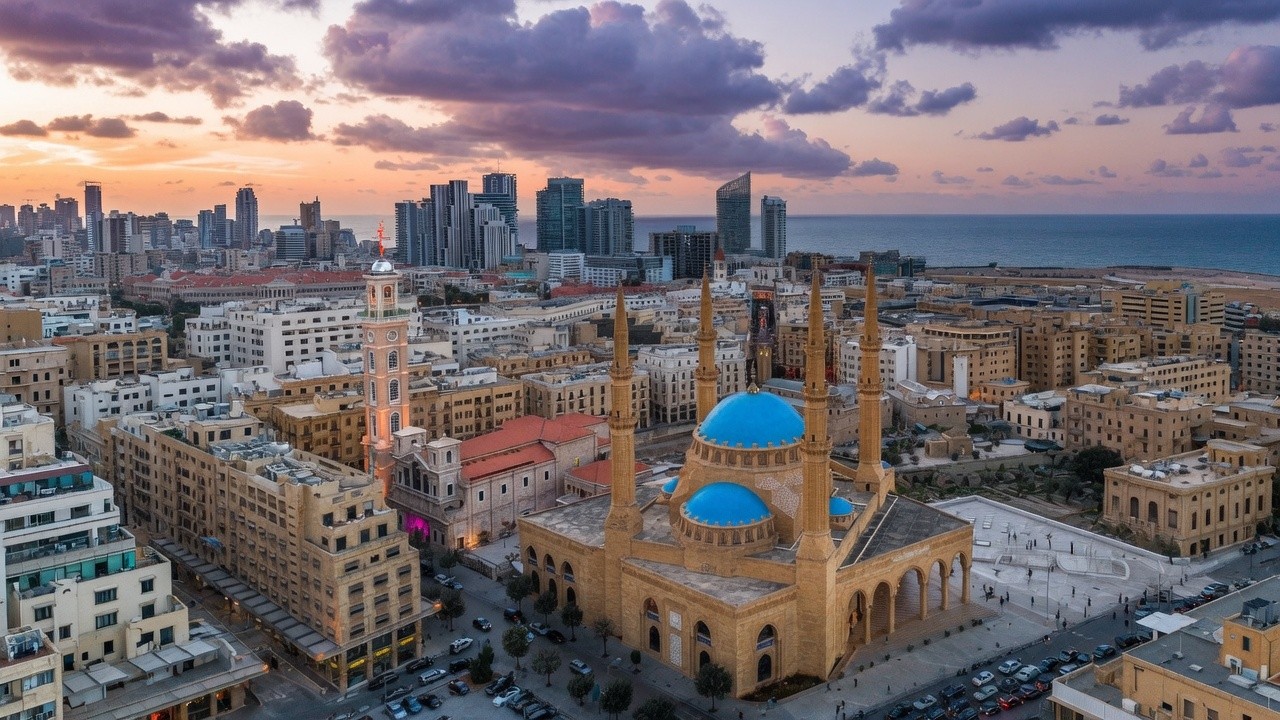
Beirut used to be called the Paris of the Middle East. It was vibrant. Extraordinary food. Gorgeous seaside views. Archaeological sites that matter. I even canceled a trip there when the pandemic hit, which tells you something about its allure before everything fell apart.
Middle East Airlines was recruiting female pilots as early as 1993. A sign of a modern, open economy?
Not anymore. The economy collapsed in 2019. The banking system is insolvent. The local currency has lost 98 percent of its value. Hezbollah remains armed. They hold significant political power.
Yes, the Lebanese government is pursuing disarmament as part of a U.S. framework. That’s likely why Trump announced the flight resumption. But Hezbollah controls aspects of security without giving the government a heads-up before launching rockets. That’s the reality on the ground. And in the air.
Who Actually Flies to Beirut?
Beirut-Rafic Hariri International Airport is a ghost town compared to its past glory.
Last year, it saw just 1,890 transit passengers. That’s it. Not a hub. Not a connection point. In 2025, the airport saw 7 million passengers total, but that number is dropping. The first half of this year brought only 2 million. At this pace, they might end up the year with fewer travelers than Boise.
Demand is niche. The latest U.S. Census lists roughly 685,600 Lebanese Americans. They are concentrated heavily in Detroit and Dearborn, Michigan, and parts of New York and New Jersey.
Corporate demand? Zero.
The only traffic is VFR — visiting friends and relatives. It’s seasonal. It clusters around summer and major holidays. It’s economy cabin heavy. Passengers check a lot of bags. It’s not a premium route.
The Airline Perspective: Detroit vs. Newark
So, who flies there? If the White House forces the issue, we’re looking at a desperate, inefficient operation.
I’d expect a Boeing 787-8 flying three times a week. Either from Newark (United) or Detroit (United’s larger rival in this specific demographic, Delta).
Delta has a SkyTeam partner in Beirut. United, meanwhile, has a history of stroking the administration’s ego. Scott Kirby, United’s CEO, gave $1 million to Trump’s inauguration. He spoke in defense of tariffs. He blamed Democrats for the shutdown. He appeared on the Deputy White House Chief of Staff wife’s podcast.
United is often willing to try oddball routes. They are eager to please. But they are also profit-driven. They could put that 787 to far better use in Europe or Asia. Flying to Beirut burns fuel, invites insurance nightmares, and serves a shrinking, low-yield customer base.
The Likely Outcome
Here’s the good news for airline executives.
This situation will likely resolve itself in the way political pronouncements often do. Either the President doesn’t fully mean what he posted. Or he forgets he posted it a week later.
U.S. carriers do not actually have to offer service to Beirut unless Transportation Secretary Duffy keeps reminding the White House that an invitation was issued. And given the safety risks, the economic collapse, and the lack of demand, Duffy might just decide the invitation doesn’t need to be followed up.
The skies over Beirut remain closed. Not because of law. Because of logic. And for now, that’s enough.