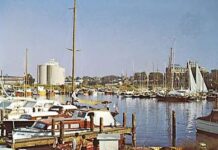
Miyazaki sits on the southeastern edge of Kyushu, pressing its back against the Pacific Ocean. It is a place where the mountains rush down to meet the sea, leaving only narrow strips of coastal plain for humans to occupy. If you are looking for a honeymoon destination that feels far removed from the neon hustle of Tokyo, this is it. The region has built a reputation as a major spot for couples, trading its humid, tropical air for romance.
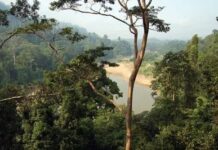
The geography here is dramatic and varied. The southern coast is home to the Nichinan-kaigan Quasi-national Park. This isn’t just a scenic drive. The park includes the offshore island of Ao and is defined by wild, untamed nature. You will find tropical and subtropical vegetation thriving in the heat. But the real draw is the wildlife. Wild horses roam the landscape. Monkeys swing through the trees. It feels ancient and slightly dangerous in the best possible way.
Further inland to the southwest, the landscape shifts again. Kirishima-Yaku National Park is a volcanic playground. The terrain is dotted with active volcanoes, deep craters, and crater lakes. The air changes here. It becomes thicker, heavier with the scent of sulfur and pine. It is a stark contrast to the salty breeze of the coast.
“Miyazaki is a major honeymoon spot, offering tropical vegetation and volcanic landscapes in a small geographic area.”
The economy of the prefecture is rooted in the land. Farmers manage to harvest rice crops twice a year, a testament to the fertile soil and warm climate. The industrial side of things is equally grounded in natural resources. The region produces chemical fertilizers and medicines. Cedar pulp is processed here. Bamboo goods and charcoal are crafted by hand. It is a place that still values traditional materials.
If you head to the prefectural capital, named simply Miyazaki, you will find an agricultural trade and communications hub. It is not a massive metropolis. The population hovers around 367,000 in the city proper, with about 1.15 million spread across the entire prefecture. It is manageable. It is walkable.
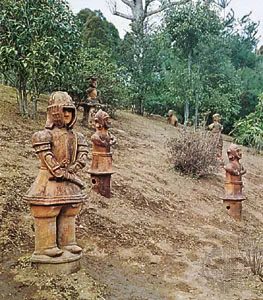
The city holds historical weight. The Miyazaki Shrine is dedicated to Emperor Jimmu, the first emperor of Japan. It is a place of quiet reverence. Nearby, Heiwadai Park offers a different perspective. Here stands the Peace Tower, built in 1940. It looms over the Haniwa Garden, where clay figurines from ancient burial mounds are displayed. The juxtaposition of ancient clay and mid-20th-century concrete creates a strange, compelling atmosphere.
A university was founded in Miyazaki in 1949. It anchors the city’s intellectual life. Students wander the streets. The campus adds a youthful energy to the otherwise slow-paced town.
For travelers, the logistics are straightforward. The area covers about 2,986 square miles. The climate is warm enough to support the two rice crops and the exotic flora. But the real value lies in the diversity. In a single trip, you can see volcanic craters, tropical islands with wild horses, and historic shrines. You can eat rice that was harvested twice. You can buy charcoal made from local cedar.
Most guidebooks focus on