
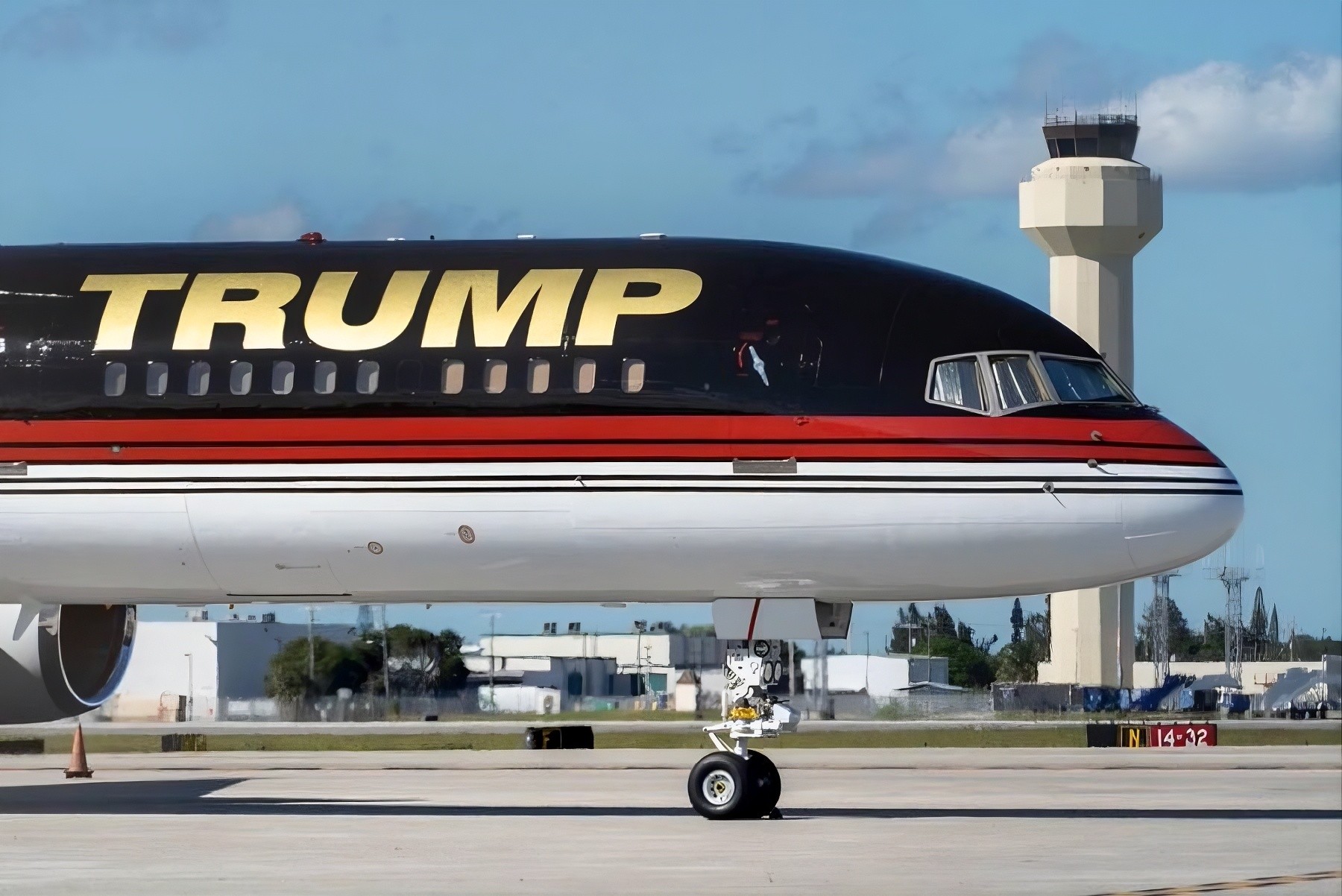
A legal challenge has been mounted to block a Florida state law that mandates the renaming of Palm Beach International Airport to President Donald J. Trump International Airport. The conflict pits state legislative authority against local governance, raising significant questions about political branding and the limits of state power.
The Core of the Dispute
The controversy stems from HB 919, a piece of legislation signed into law in Florida. This law grants the state government the power to name “major commercial service airports,” effectively stripping local authorities of their traditional control over airport designations.
Under the new mandate:
– The airport must be renamed by July 1, 2026.
– The change is subject to FAA approval.
– The state must execute an agreement with Donald Trump to allow the airport to use the name at no cost.
The lawsuit was filed by a licensed pilot based in Palm Beach County. The plaintiff argues that the law improperly overrides local governance, asserting that because the airport is owned and operated by Palm Beach County, the identity and designation of the facility should remain under local control.
Local Control vs. State Preemption
This case highlights a fundamental tension in Florida’s legal structure. Historically, airport identity has been managed by local operators. Palm Beach International is a county asset, not a state agency, and rebranding it involves significant local costs, including new signage, updated digital systems, and operational changes.
However, the legal landscape favors the state:
– State Supremacy: In Florida, local governments are considered “creatures of the state.” While charter counties have powers of self-government, these powers must remain consistent with general state law.
– Preemption: When the state legislature passes a law that “preempts” local authority, the state’s decision typically overrides local preference.
– The “Special Law” Argument: While the state claims this is a general regulation of a class of airports, critics argue it is actually a “special local law” targeting one specific facility for political messaging—a practice that is generally prohibited.
Legal Hurdles for the Plaintiff
Despite the arguments regarding local autonomy, the lawsuit faces significant uphill battles in court:
- Standing: To win, a plaintiff must prove they have been directly harmed. As a private pilot who does not own or operate the airport, the plaintiff may struggle to prove that a name change causes him personal, non-speculative injury.
- Irreparable Harm: To secure an injunction (a court order to stop the renaming), the plaintiff must demonstrate that the change will cause damage that cannot be undone. A name change, while politically controversial, rarely meets this high legal threshold.
- Rational Basis: From a constitutional standpoint, “politically tacky” is not the same as “unconstitutional.” The state only needs to provide a rational basis for its decision, and the desire to honor a former president is a legally defensible motive.
The Trend of Political Naming
The renaming of Palm Beach International is part of a broader, often polarizing trend of naming major public infrastructure after political figures. While it is common for airports to be named after former presidents, the timing—occurring while the individual is still in office—adds a layer of political friction.
This practice has been a recurring theme in American civic life, from the renaming of Atlanta’s airport to Hartsfield-Jackson to discussions surrounding airport names in Chicago and Las Vegas. Such moves often spark debate over whether public assets should serve as permanent monuments to political legacies.
The legal battle is less about the name itself and more about whether the state can use its legislative power to force a rebranding of local assets for political purposes.
Conclusion
While the lawsuit challenges the state’s encroachment on local authority, the legal doctrine of state preemption makes a victory for the pilot unlikely. The outcome will ultimately depend on whether the courts view this as a legitimate regulatory shift or an improper use of state power to dictate local identity.