


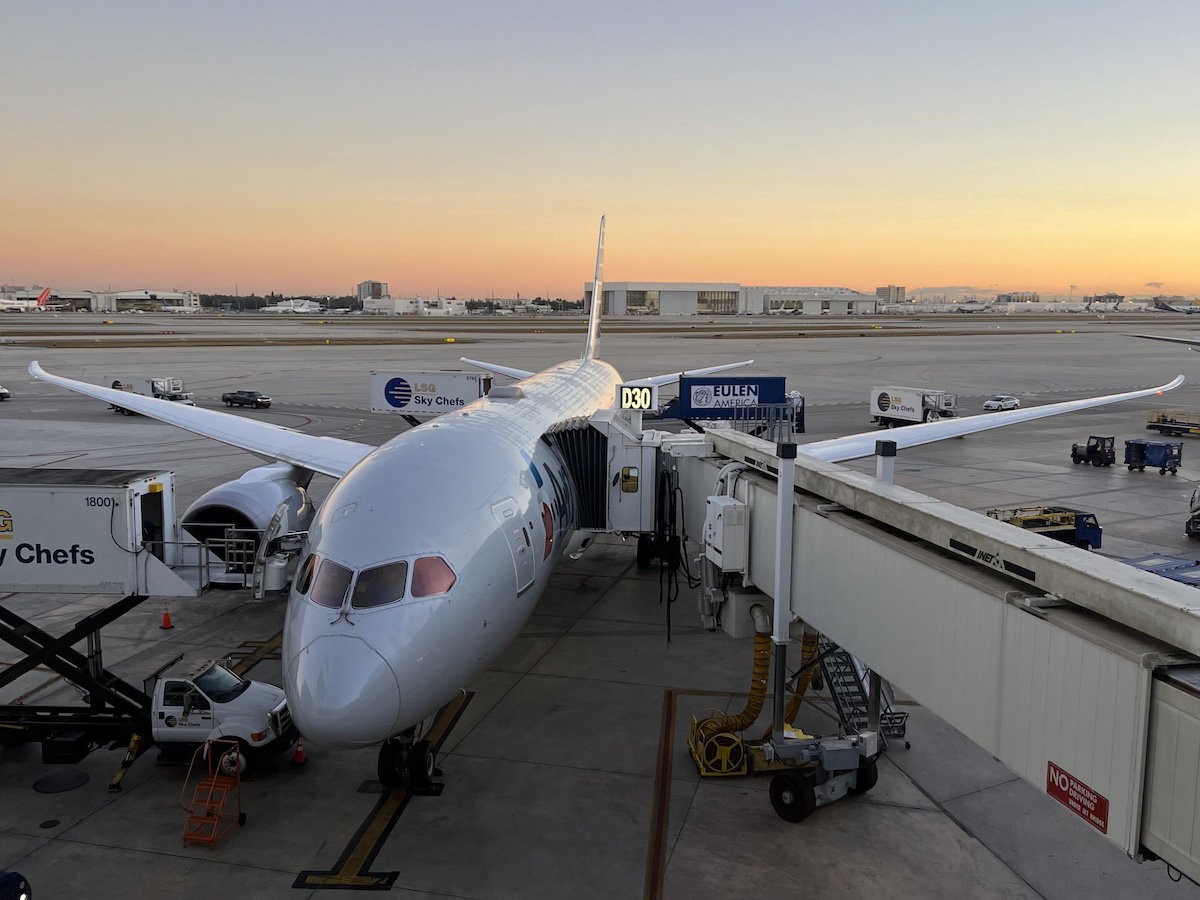
United Airlines CEO Scott Kirby has broken his silence regarding the recent rumors of a potential merger between United and American Airlines. In a candid assessment, Kirby revealed that he personally initiated discussions with American Airlines, proposing a massive consolidation aimed at revolutionizing U.S. aviation. However, the deal has officially stalled after American Airlines publicly declined to engage in the conversation.
The Core Proposal: Growth Over Consolidation
Historically, airline mergers have been viewed with skepticism by regulators and the public. Most past consolidations were “defensive” maneuvers—two struggling carriers joining forces to cut costs, reduce flight frequencies, and trim headcount to survive.
Kirby argues that his vision was fundamentally different. Rather than a merger of necessity to prevent failure, he proposed a merger of ambition. The goal was not to subtract, but to add:
- Scaling Customer Experience: Using United’s recent investments in technology (such as Starlink Wi-Fi and modern cabin interiors) and expanding them across a much larger network.
- Expanding Global Reach: Creating a massive U.S.-based carrier capable of competing with the dominant foreign-flagged airlines that currently control a significant portion of long-haul flights into the United States.
- Increasing Market Capacity: Kirby contends that a larger combined entity would actually increase the total number of economy seats available, potentially driving down prices through sheer scale rather than through service cuts.
The Economic and National Argument
A central pillar of Kirby’s argument is the concept of “Buying American.” He framed the potential merger as a matter of national economic interest, suggesting that a powerhouse U.S. carrier would provide several systemic benefits:
- Job Creation: The merger could have created tens of thousands of new, high-paying, unionized roles for the combined workforce of both airlines.
- Domestic Manufacturing: A larger airline would require a massive influx of new aircraft, providing a significant boost to the U.S. aerospace manufacturing sector and domestic supply chains.
- Economic Stimulus: By increasing connectivity to smaller domestic communities and boosting international tourism, the airline would act as a catalyst for billions of dollars in economic activity.
The Regulatory Hurdle
One of the most significant challenges for any major airline merger is antitrust scrutiny. Regulators typically focus on how a merger might reduce competition and raise prices for consumers.
Kirby acknowledges this skepticism but posits that a “growth-oriented” merger should be viewed through a different lens. He suggests that if a deal is designed to increase service, improve technology, and compete more effectively against foreign carriers, regulators should see it as a net benefit to the public rather than a threat to competition. While certain domestic routes would have required divestitures to satisfy antitrust laws, Kirby believed the overall benefits would have outweighed the local market reductions.
“Without a willing partner, something this big simply can’t get done.”
Looking Ahead
With American Airlines having “closed the door” on the proposal, the path toward a mega-merger is effectively blocked for the foreseeable future. For United, the focus now shifts back to its independent strategy of “de-commoditizing” travel through premium service and technological innovation.
Conclusion: While the dream of a United-American powerhouse has vanished, the proposal highlights a growing tension in the aviation industry: the desire for massive, globally competitive U.S. carriers versus the regulatory and competitive fears that such scale might ultimately harm the consumer.


