You want the open ocean. You want the luxury liner experience. You also want your dog. The combination feels impossible until you realize that for most travelers, it is. Most major cruise lines have drawn a hard line in the sand. If you are trying to figure out how to travel with your pet on a cruise, the short answer is: look elsewhere, or get very specific.
The reality of pet travel is that it requires more logistics than you might expect. It isn’t just about buying a ticket. It is about understanding health codes, international quarantine laws, and the physical limitations of moving ships. If you try to show up at a terminal with a Golden Retriever at most ports, you will be turned away. Not because the crew is mean. Because the infrastructure isn’t there.
Why Most Ships Ban Furry Passengers
It is easy to blame cruise lines for being unsympathetic. The truth is colder. It is about infrastructure and international law.
Ships are sealed environments. Health codes are draconian. Allowing a dog to roam freely is a biohazard risk. But the bigger hurdle is the itinerary. A cruise visits multiple countries. Each country has its own entry requirements for animals. Some demand weeks of quarantine. Others ban specific breeds. For the passenger, this is a nightmare. For the cruise line, it is a liability they do not want to manage for non-service animals.
There is also the simple matter of space. Pets need to sleep. They need to relieve themselves. On a crowded ship, there is no “backyard.” Creating kennels is expensive. Maintaining them is harder. So, most lines opt out.
The One Option Left: Cunard’s Transatlantic Crossings
If you are determined to take a pet on a major liner, there is only one name that comes up consistently: Cunard. Specifically, their older giants, the QE2 and the QM2. But even here, the rules are tight.
Cunard allows pets on select transatlantic crossings. You cannot just book a Mediterranean summer tour and bring your cat. You have to look for the specific Atlantic routes. And you have to book well in advance. Space is limited.
What You Get (and What You Don’t)
If you secure a spot, here is the reality of the experience:
- Kennels: The pets are not roaming free. They are kept in air-conditioned kennels.
- Attendants: There is a dedicated kennel attendant to handle feeding and cleaning.
- Exercise: There are designated pet exercise areas.
- Cost: The cost of pet meals is factored into your ticket.
“Pets are kept in the kennel during the entire crossing and can only be visited during specified hours.”
This last point is the hardest pill to swallow. You are not vacationing with your pet in the traditional sense. You are paying for their safe passage. You get to visit them during set windows. If you have a large dog, you might be out of luck entirely, as there are size restrictions.
Alternatives for the Open Water
If Cunard is fully booked or does not fit your schedule, the ocean is not entirely closed to you.
Charter Ships
Smaller charter outfits are more flexible. They are often privately owned or operate on smaller scales. If your pet is well-behaved, they will likely let you bring them. You are paying for a private experience, and the rules are yours to negotiate.
Sightseeing Boats
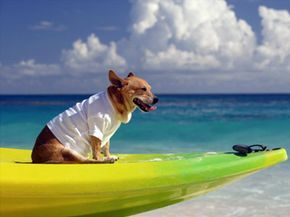
For those who cannot do a multi-day trip, day cruises are an option. Many sightseeing companies allow pets onboard. It is not a luxury cruise. It is not a five-star dining experience. But you get the sea air. You get the view. Just strap the dog in a life jacket. Remember your sunscreen.
The Logistics of Pet Travel
Whether you are on a ship, in a national park, or at a theme park, the golden rule remains: control.
Pets should not disturb other guests. This sounds obvious until you are on a quiet deck and a Labrador is barking at a seal. Clean up after them. Always. Call ahead when planning stays at hotels or rentals. Many places say “no pets” until you ask nicely, or until you find a nearby kennel.
“Lots of vacation destinations are more than happy to accommodate your pet, and those that can’t are usually more than willing to help you find a kennel or some alternative animal accommodations nearby.”
This is not just courtesy. It is survival. A trip ruined by a denied entry at the last minute is not a vacation. It is a lesson in efficiency.
A Nod to History
We often forget that travel with animals has a dark history. The Titanic sinking is the most famous example. Two dogs survived. A Pekingese belonging to Henry Sleeper Harper. A Pomeranian belonging to Miss Margaret Hay.
They survived because they were small. Because they were on lifeboats. Because they were companions.
Today, the stakes are different. The logistics are stricter. The options are fewer. But for those who cannot imagine a trip without their four-legged companion, the path is clear. It is narrow. It requires planning. But it exists.
Bring the plastic bags. Check the breed restrictions. Call the kennel. And then, go.
Planning the Trip and Staying Safe
You want the smell of pine, the crackle of a fire, and the thrill of casting a line into a lake. But you also want your dog there with you. Camping with a pet isn’t just possible. It’s one of the best ways to bond. You just need to plan better than you would for a solo trip.
Start by looking at the map. Find the nearest emergency vet before you even pack the car. You hope you never use it, but if your dog eats a toxin or gets injured, every minute counts. Check the forecast too. If the high is going to hit 90 degrees, leave the pet at home. Extreme heat kills fast. Cold snaps do too. Make sure your shots are current. No one wants to explain why their dog didn’t have rabies or distemper vaccinations to a ranger.
Bring the kennel if you use one. It’s a familiar scent in an alien world. The woods are full of ticks. Fleas love the brush. A full dose of repellent isn’t optional. It’s survival.
And then there’s the waste. This is where most people fail. Don’t be the person who kicks dirt over poop. You are creating a biohazard for the next family. Bring heavy-duty plastic bags. Bring a sealed container to lock in the smell. It keeps the campsite pleasant and respects the other campers.
Food storage matters. Sealed bins. Bugs love pet food. If a raccoon or beetle gets into it, your dog gets sick. Keep water close. Accessible. Always. Even when you hike away from the tent. Hydration is key.
For downtime, pack toys. A frisbee or a sturdy rope toy keeps them busy when you’re busy setting up camp or cooking dinner.
Where to Take Your Dog in California
California has more pet-friendly beaches than almost any other state. Four of the top ten are here. Yet, in Los Angeles County, it’s tough. Out of 70 miles of coastline, only one small stretch allows dogs regularly. The rest are restricted. The trend nationwide is shrinking access. Why? Owners don’t follow the rules.
The cardinal rule is simple. Leash up. Or have solid voice control. Never leave them unattended. Always clean up.
Most bans happen because owners think their dog is “good” off-leash. It’s not. In a public setting with noise and other animals, anything can happen. A loose dog can cause a fight. It can chase wildlife. It can spook a child. You are responsible for every action your pet takes.
If your dog runs at another dog out of excitement, the other owner will see a threat. You will see a friend. The perception is what causes the conflict. And conflicts lead to bans.
California’s beaches offer incredible freedom if you respect the leash laws. It’s about being a good neighbor. Keep your pet close. Keep the beach clean. Everyone wins.
The Longing Stays When You Leave
We all miss them. It’s not just you. A poll from the American Animal Hospital Association found that 33 percent of dog owners talk to their pets on the phone while away. Some leave messages on answering machines.
It’s a strange thing. We pack them for adventure, then leave them behind for routine trips. We check cameras. We call. The bond doesn’t break just because the distance increases. It just changes shape.
Theme Park Kennels and Pet Etiquette
You want the coaster adrenaline. You also want your dog there. It’s a common conflict. Most theme parks won’t let pets on rides. That’s obvious. But they often allow pets in designated kennels.
Here’s the catch. The kennels exist, but staff rarely watch them. You’re on your own. You need to pack a bowl. Bring blankets. Toys. Whatever keeps the beast calm while you scream on a loop.
If the idea of leaving your pup alone all day makes your stomach turn, bring a brave friend. Someone who hates heights. Or better yet, just check on your pet regularly. Don’t abandon it and forget it.
One park breaks the mold. Disneyworld. They actually care about comfort. They provide food. Air-conditioned kennels. It’s not just a crate. It’s a vacation for the dog.
If you skip the kennel and keep your pet close, rules apply. Leash. Always. Pick up waste. Even if it’s right in front of a giant drop tower. Be aware of other guests. Complaints are the fastest way to get ejected. Don’t give them a reason.
A Brief History of Space Pups
Laika wasn’t the first animal in space. But she was the first to orbit. 1957. Soviet Union.
She rode an artificial satellite. The mission was one-way. The craft burned up on reentry. She didn’t survive.
It’s a dark fact. But it’s history. The first astronaut was a dog.
Shopping Centers and Size Restrictions
Black Friday sales are tempting. Your pet is loyal. You don’t want to leave them.
Most indoor malls allow small animals. Size matters. If it’s bigger than a small child, you’re out. You must carry it. In a carrier. Or in your hands. Think purse size.
If your pet fits in a bag, no one cares. Security won’t stop you. Shoppers won’t complain.
Outdoor malls are different. If the center isn’t fully enclosed, bigger dogs are usually welcome. You might have to tie them up outside certain stores. But many retailers prefer having you there with the pup. It’s a perk.
Hygiene and Preparation
Clean up. Always. If your dog poops in the middle of Macy’s, you’re banned. VIP sales won’t be extended to you. Carry plastic bags. Bring them. Always.
Watch your pet. No excuses. If your animal hurts someone, it’s over.
Hydration matters. All-day shopping is long. Bring water. Snacks. Keep your pet comfortable. Don’t let them suffer while you hunt for deals.
Call ahead. Check policies. Don’t drive to the mall only to be turned away at the gate. Security is strict. Respect other shoppers. You’ll be fine.
The Smallest Dog Ever
How small can a dog be?
Meet the Yorkie from Blackburn, England. The smallest in history.
Full grown, it stood 2.5 inches tall. 6.35 centimeters. It measured 3.75 inches long. 9.5 centimeters. Weight? 4 ounces. 110 grams.
You could hold it in your palm. No carrier needed. Just your hands.
navigating Pet Rules in State and National Parks
You want to see the grandeur of the wilderness with your furry companion. It is possible. It is not always easy. But it works.
Many state and national parks enforce strict rules about animals. They have good reasons for this. Pet owners who ignore these guidelines create tension. Other campers notice.
Most parks allow pets in parking lots. Cars are fine. Developed areas are usually open. But hiking trails? Often off-limits. Backcountry trails? No. Beaches? Generally a no-go. Buildings? Definitely restricted.
These restrictions feel harsh. They are necessary. Parks exist to protect natural resources and wildlife. Domesticated pets complicate this mission.
Many pets are natural predators. They harass squirrels. They chase raccoons. Wild animals react aggressively when threatened. This endangers you. It endangers your animal. In places like Yellowstone, bears and coyotes roam. Your pet could become prey.
Waste management is another issue. Cleaning up solid waste is easy with a plastic bag. Urine is harder to manage. The scent left behind mimics a predator. This alters wildlife behavior. It disrupts the ecosystem.
Control is key. Leashes no longer than 6 feet are standard. These rules are strictly enforced. The experience might not be fun for your animal. Policies vary by park. Always call ahead. Find out the specific restrictions for the location you plan to visit.
Keep it clean. Think pet waste is minor? Before 1978, New City required owners to pick up after their dogs. Before that law, 40 million pounds of excrement hit the streets annually.
Pet-Friendly Skiing Destinations
You wait months for snow. The landscape turns white. The slopes call to you. Can you bring your pet? Often, yes.
Some ski resorts offer pet-friendly accommodations. They have kennels on-site. Your dog gets around-the-clock care. If your chosen resort lacks kennels and bans pets in rooms, do not panic.
Search for nearby kennels. They may not be affiliated with the resort. But they will care for your dog while you ski.
If no kennels exist nearby, rent a private lodging. A house or cabin works. Your pet stays comfortable. You enjoy the powder without worrying about falling off a chairlift.
Prefer slow skiing? Cross-country ski centers allow pets on certain trails. Windblown Ski Touring in New Hampshire has a trail named Loop de Poop. Tahoe also has designated dog trails. It currently offers 4.6 miles of pet-friendly paths.
Call ahead. Confirm pet policies. Be courteous. Respect rules. One bad apple ruins the experience for everyone.
The Popularity Contest: Cats vs. Dogs
Which pet wins in America? Cats take the top spot with 66 million owners. Dogs come in second with 58 million. Parakeets trail far behind at 14 million.
Where to Go When You Leave the Road
You’ve packed the crate. You’ve booked the room that allows tails. Now you’re standing at the edge of a map wondering what actually happens next. The logistics get tricky once you leave the highway. National parks are the biggest trap. They look inviting on postcards but penalize you for bringing a dog.
Most trails in places like Yosemite or Yellowstone keep pets on pavement. That’s it. You can hike. You can drive. But if you want off-trail adventure with your dog, you’re out of luck. The rules exist to protect wildlife and other visitors. Don’t fight it. Pick a different park or accept the paved loop. It’s not worth the fine.
Beaches: The Real Freedom
Water is different. Water doesn’t care about your leash laws as long as you’re not in a protected dune zone.
Dog-friendly beaches are scattered along the coast. Look for state parks rather than municipal ones. They often have wider hours for off-leash play. In the Northeast, check for seasonal bans. Summer crowds mean stricter rules. Winter is when you can really let them run. Sand is tough on paws. Bring boots if the dog has sensitive pads.
“Water is different. Water doesn’t care about your leash laws as long as you’re not in a protected dune zone.”
Skiing and Cold Weather
Snow changes everything. Your dog needs traction. Ice destroys paw pads faster than you think. Booties aren’t just for comfort. They’re safety gear.
Take the Northeast Cross-Country Ski Roundup as a guide. Many trails allow leashed pets. But the cold hits harder for short-haired breeds. If your dog is a Greyhound, it’s going to suffer. Dress them up. Watch for signs of frostbite on ears and tails.
Lake Tahoe offers skiing. It’s beautiful. It’s expensive. And the air is thin. Don’t expect your old lab to keep up with your ski pace. Take breaks. Hydrate. The scenery is worth the effort, but your pet’s stamina is not infinite.
Theme Parks: The Hard No
Theme parks are a non-starter. Almost none allow pets inside. Not even in carriers. This is a hard limit.
You can find pet daycare services near major hubs. Disney World has options. Universal has partners. But you can’t bring the dog through the gates. It saves time to check this before you buy tickets. Do not assume. Do not hope. The staff will not make exceptions. You’ll end up paying for boarding while you ride the roller coasters without your best friend. It’s a sad trade-off.
Shopping and Daily Life
You’re not just staying in the hotel. You’ll need food. You’ll need supplies.
Los Angeles stores vary wildly. Some boutiques welcome dogs. Others see them as liabilities. The LA Times noted the split years ago, but the trend holds. Pet-friendly stores usually have water bowls and treat dispensers. Look for the signage. It’s usually on the door.
If you’re shopping for gear, don’t buy online. You want to see the fit. Harnesses are not shirts. They need to accommodate movement. Buy local. Support the shop that knows you might need a size adjustment on the trip home.
The Logistics of “On the Go”
Transportation is the silent killer of trips.
Cruises? Some allow pets. Most don’t. The ones that do have strict quarantine rules. Check the charter lines. They’re smaller. They’re more flexible. But they’re niche.
Airline travel for pets is a gamble. The pet shipping process