The whole world held its breath in 2002. Eurovision landed in Tallinn, the capital of Estonia. Nobody knew what to expect. Most people had no idea where Estonia was on a map. They expected gray skies. They expected silence. They got life.
It was loud. It was bright. It was alive.
That surprise party changed everything. Today, the Baltic state doesn’t hide in the shadows. The medieval streets along the coast draw travelers who want more than just a photo op. This is a city that breathes. It is worth the flight. It is worth the detour.
Medieval magic meets modern energy
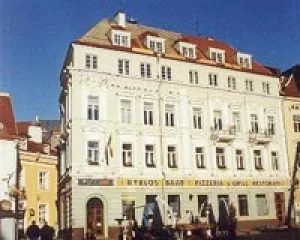
Walk through the old town. The cobblestones are uneven underfoot. You smell roasted coffee and damp stone. The architecture looks frozen in time. Gothic spires pierce the low-hanging clouds. The Town Hall Square sits at the center. It is the heart of the city.
Souls gather here. Artists paint. Street musicians play. The atmosphere feels southern European. It feels like a Mediterranean piazza. Except it is not. It is the Baltic Sea. The air is crisp. The light is sharp.
Tallinn offers a rare mix. You get history without the crowds. You get culture without the pretension. The buildings tell stories of Hanseatic traders. They whisper of sieges and sieges won. But the people? They are forward-looking. They build tech startups. They code in Silicon Valley of the East. The contrast is jarring. It is beautiful.
When to go and what to see
Timing matters. Summer brings long days. The sun barely sets. It is perfect for wandering. Winter is dark. It is moody. It is charming if you like snow.
Top sights:
* Kadriorg Palace: A baroque gem. Built for Peter the Great’s wife. The gardens are manicured. The art museum inside is world-class.
* Fat Margaret’s Tower: A defensive tower. It looks heavy. It looks solid. The view from the top is panoramic.
* Alexander Nevsky Cathedral: The onion domes dominate the skyline. They are green and gold. They stand on a hill. They watch over the city.
Avoid the main tourist traps if you can. The souvenir shops near the square are okay for a trinket. Skip the overpriced restaurants right on the edge. Walk up to Toompea. The upper city is quieter. It is where the aristocracy lived. It is where you find peace.
Practical tips for the traveler
Logistics are easy. The airport is close. Buses run frequently. You can reach the old town in twenty minutes. Cash is less king than before. Cards work everywhere. Even the street vendors.
Food is simple. Fresh fish. Rye bread. Potatoes. Look for Vallikääru. It is a classic restaurant. It is not fancy. It is honest. The food is good. The prices are fair.
Don’t rush. Tallinn rewards the slow walker. You miss nothing if you linger. You see the details. The carved doors. The hidden courtyards. The way the light hits the red roofs.
Europe is big. You cannot see it all.
The Heartbeat of Tallinn Starts Here
You can’t really start a city tour better than here. The Rathausmarkt is exactly that—the pulse of Tallinn. We are talking about a capital with just over 400,000 residents sitting right on the edge of the Baltic Sea. Cars? Forget it. They have been banned from this old town sector by ordinance. Instead, you get tables and cozy chairs set up on wooden platforms outside every café. It feels like Southern Europe under a Nordic sun. And in May and June, the sun doesn’t set until well past 11 PM.
Locals and tourists sit together without a care. They sip cappuccinos or chug local beers like Saaremaa or Kali. Kali is a brown soda with sales that would make Coca-Cola jealous. They just enjoy being alive. You’ll see them squinting into the blue sky. First-timers step onto Raekoja plats cautiously. Almost reverently. Tour guides point out the two snakes on the roof—before restoration, you could actually tell the male from the female. Teenagers with phones glued to their ears march straight to Molly Malone’s for a Guinness. And the Estonian women? They dress like Italians. Stilettos on cobblestones. If you want to look good, you have to waddle across this pavement.
Navigating the Car-Free Zone
The absence of traffic changes how you move. You walk. You stop. You watch. The layout is compact. Everything relevant is within easy walking distance from the market square.
When planning your visit, keep the daylight hours in mind. The long summer evenings are a feature, not a bug. You can eat dinner at 9 PM and still have time to wander. The atmosphere shifts from daytime sightseeing to evening socializing seamlessly.
What to Actually See
Beyond the cafe culture, the architecture demands attention. The Rathaus itself is the centerpiece. But look up. The roofline tells a story. The snakes are a fun detail, but the restoration work is the real story. They preserved the historical integrity while making it safe.
If you are looking for practical advice:
- Timing: Visit in late spring or early summer for the best light and longest days.
- Footwear: Leave the high heels at the hotel unless you are brave. The cobblestones are uneven.
- Food: Try the local beer. It’s cheap, cold, and part of the culture.
- Photography: The contrast between the old buildings and the modern youth is striking. Use it.
Why This Works for Travelers
This isn’t just a postcard view. It’s a working public space. The city has managed to keep the charm while allowing for modern social habits. You aren’t just watching a museum. You are part of the scene.
The mix of styles is intentional. The fashion on display reflects a city that is confident. Not trying too hard. Just being. The presence of international chains like Molly Malone’s shows openness. But the local brands dominate the taste buds.
There is a rhythm to this place. It’s not rushed. You can’t rush here. The physical environment forces you to slow down. The lack of cars removes the noise and the stress. You hear conversations. You hear footsteps. You hear the city breathing.
For travelers planning a trip to Estonia, this