Сектори гостинності та туризму нині переживають період інтенсивних стратегічних зрушень. Від методів винагороди керівників до способів інтеграції штучного інтелекту в планування подорожей індустрія переглядає свої пріоритети в умовах постпандемійного ландшафту.
Винагорода керівників та ринкові перспективи
Останні зміни в системі оплати праці керівництва та настроях ринку вказують на перехід від фази стрімкого розширення до фази стабілізації управління.
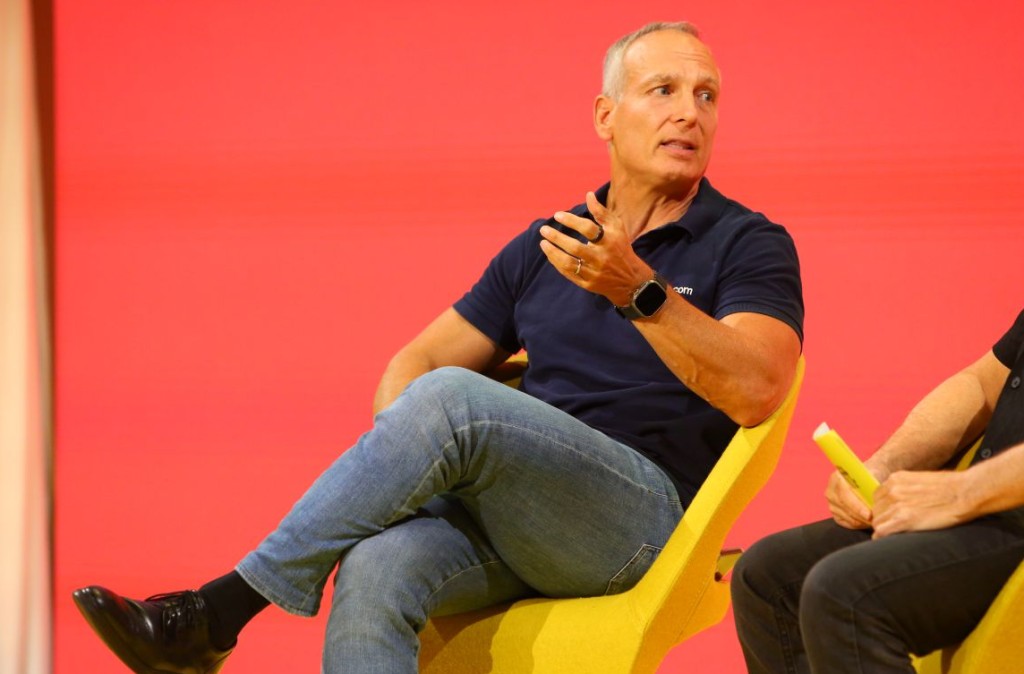
- Booking Holdings: Після двох років значного зростання генеральному директору Гленну Фогелю доведеться скоротити виплати в 2025 році. Такий крок часто сигналізує про зміну корпоративного фокусу: від агресивного масштабування до підтримки операційної ефективності та підвищення акціонерної вартості після високих показників.
- Hilton Worldwide: Незважаючи на геополітичну напруженість на Близькому Сході та невизначеність навколо майбутнього чемпіонату світу з футболу, генеральний директор Кріс Нассетта зберігає оптимістичний погляд на сектор. Попередні дані ринку США підтверджують цей оптимізм, вказуючи на те, що споживчий попит на подорожі залишається стійким навіть в умовах глобальної нестабільності.
Новий рубіж конкуренції: Культура проти Масштабу
Оскільки традиційні показники, такі як масштаб мережі готелів, передові технології та програми лояльності стають стандартом для всієї галузі, бренди шукають нові способи виділитися.
Група Accor очолює тренд, у якому культурна взаємодія стає ключовою стратегічною відмінністю. Замість конкурувати виключно кількістю номерів або цифровими функціями, група інвестує в:
– збереження спадщини;
– креативне партнерство.
Цей підхід дозволяє припустити, що «культурна значимість» може бути наступним основним полем битви у промисловості гостинності. В епоху, коли мандрівники шукають автентичний досвід, а не шаблонну розкіш, зв’язок бренду з місцевою історією та мистецтвом може виявитися ціннішим, ніж його цифрова екосистема.
Консолідація та технологічні потрясіння
Туристична індустрія також стикається зі значними структурними змінами внаслідок потенційних злиттів та стрімкої еволюції штучного інтелекту.
Чутки про консолідацію авіакомпаній
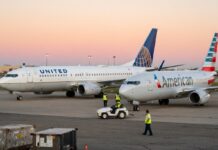
З’явилися припущення про можливе мега-злиття United та American Airlines (з потенційною участю JetBlue). Якщо це станеться, угода стане найзначнішим об’єднанням авіаперевізників протягом останнього десятиліття, ще більше зміцнюючи позиції традиційних авіаліній. Проте серйозною перешкодою залишаються регуляторні бар’єри, оскільки антимонопольні органи виявляють дедалі більшу настороженість щодо зниження конкуренції у небі.
Технологічний стек ІІ в туризмі
Інтеграція ІІ більше не є просто модним словом; вона перетворилася на складну структурну боротьбу. Онлайн-турагентства (OTA) в даний момент розходяться у своїх стратегіях, зокрема, у питанні того, на якому «рівні» технологічного стеку ІІ для подорожей вони мають намір зосередитися.