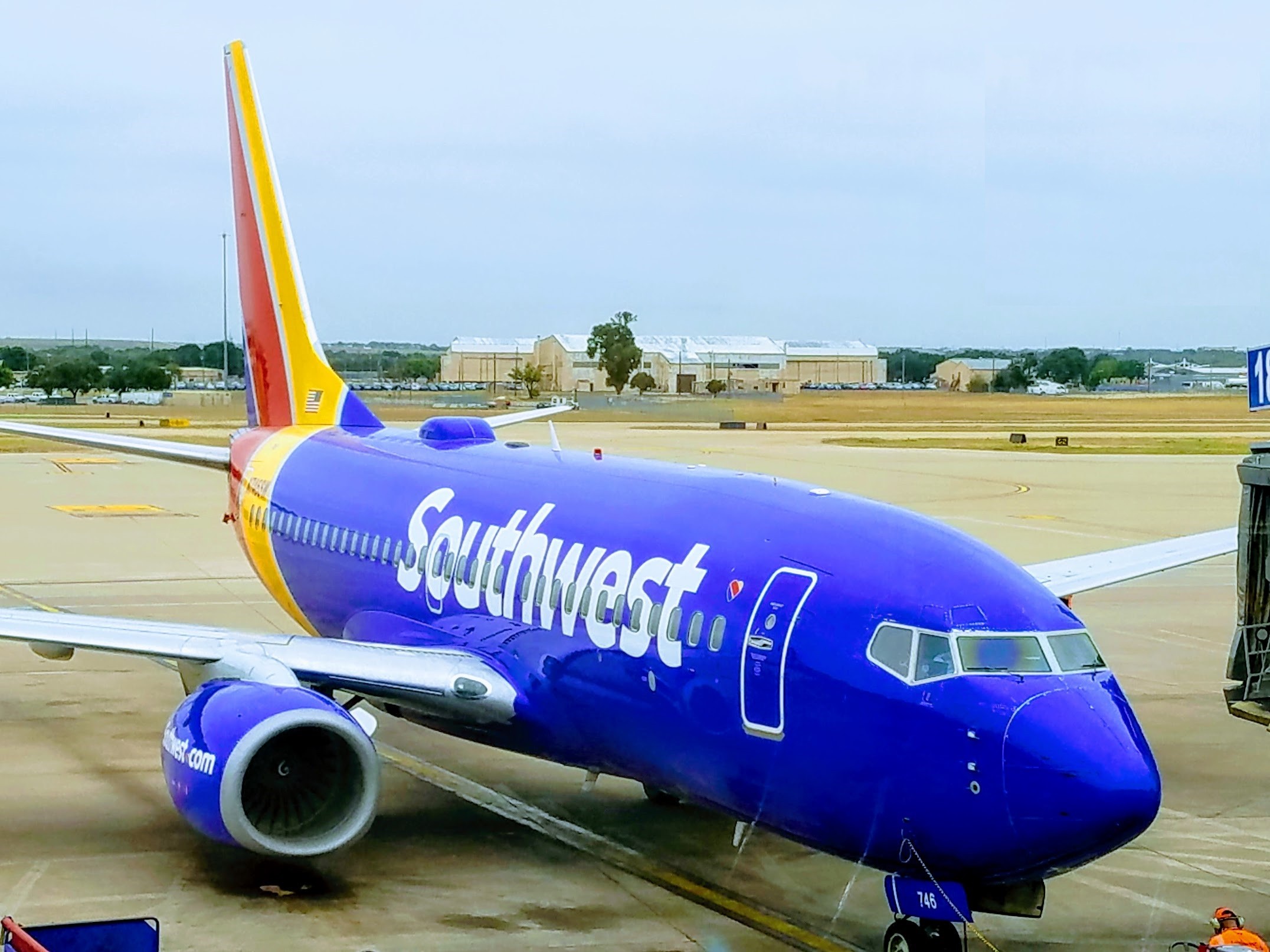
A high-stakes error by an air traffic controller at Nashville International Airport nearly resulted in a mid-air collision between two Southwest Airlines aircraft on Saturday, April 18, 2026. The incident, which saw the planes pass within just 500 feet of vertical separation, was only averted thanks to automated safety systems and rapid pilot response.
### L’incidente: una sequenza di errori
Il quasi incidente si è verificato durante un periodo di condizioni meteorologiche difficili che hanno comportato raffiche di vento. La sequenza degli eventi ebbe inizio quando il volo Southwest 507, in arrivo da Myrtle Beach, tentò di atterrare sulla pista 2 a sinistra. A causa del vento, l’equipaggio ha interrotto l’atterraggio ed ha eseguito un “riattaccata” per tentare un secondo avvicinamento.
While Flight 507 was circling to try again, Southwest Flight 1152 was cleared for departure on Runway 2 Right—a parallel runway located just to the east.
Il guasto critico si è verificato durante il riposizionamento dell’aereo in arrivo:
1. Istruzioni contrastanti: Dopo la riattaccata, il controllore del traffico aereo ha ordinato al volo 507 di girare a destra. Questa manovra pose l’aereo direttamente sulla traiettoria di volo del volo 1152 in partenza.
2. Failed Altitude Management: The controller attempted to resolve the conflict by ordering Flight 507 to climb to 3,000 feet while instructing Flight 1152 to hold at 2,000 feet.
3. The Near-Miss: Flight 1152 quickly reported, “We’re already past it,” indicating the planes were already too close for the altitude changes to work.
### La tecnologia in soccorso
Durante la convergenza dell’aereo, entrambe le cabine di pilotaggio hanno ricevuto avvisi TCAS (Traffic Collision Evitare System). These onboard systems are designed to detect potential collisions and provide pilots with immediate, automated instructions to climb or descend to avoid impact.
Entrambi gli equipaggi hanno risposto con successo a questi comandi di emergenza. Il volo 1152 confermò successivamente di essersi spostato “fuori dall'[avviso di risoluzione],” il che significa che la minaccia immediata di collisione era passata.
Una tendenza crescente ai mancati incidenti nel settore dell’aviazione
This incident is not an isolated event but part of a concerning pattern of runway and mid-air incursions involving air traffic control (ATC) errors. Esempi degni di nota recenti includono:
- San Diego: A controller cleared one Southwest flight to take off while clearing another to cross the same runway, forcing a takeoff abort at 100 knots.
- San Francisco: Gli aerei della United e dell’Alaska Airlines furono costretti ad interrompere l’atterraggio per evitare un jet della Southwest.
- Austin: Un aereo FedEx e un Southwest 737 sono stati fatti entrare nello stesso spazio aereo, risultando in soli 500 piedi di separazione verticale.
- Chicago Midway: I piloti del Southwest hanno dovuto interrompere l’atterraggio dopo aver avvistato un jet privato attraversare la loro pista.
Perché sta succedendo questo?
While it is difficult to determine if these incidents are increasing in frequency or simply becoming more visible due to better reporting, several systemic factors are often cited:
– Infrastruttura obsoleta: molti sistemi ATC stanno raggiungendo la fine del loro ciclo di vita operativo.
– Carico di lavoro del controller: L’elevata densità di traffico e le pressioni sul personale possono portare a errori umani.
– Complexity of Operations: As airspace becomes more crowded, the margin for error shrinks, making even minor mistakes potentially catastrophic.
L’incidente di Nashville evidenzia l’importanza cruciale del TCAS; while human error in the control tower remains a significant risk, automated onboard safety systems serve as the final, essential line of defense.
Conclusione
Il quasi-incidente di Nashville è un chiaro esempio degli scarsi margini nel campo della sicurezza aerea. While automated collision avoidance systems prevented a disaster, the frequency of controller-driven errors raises urgent questions about the need for modernized air traffic control systems and increased oversight.