
Air Canada входить у нову епоху пасажирських перевезень. З прийдешнім поповненням флоту в особі Boeing 787-10 і Airbus A321XLR авіакомпанія не просто розширює парк літаків, але і впроваджує складну нову мову дизайну під назвою Glowing Hearted (Світиться серце).
У недавній розмові з Марком Насром, виконавчим віце-президентом та операційним директором Air Canada, стала очевидною стратегія компанії з диференціації на перенасиченому ринку преміум-класу: коли технічне оснащення у всіх гравців галузі схоже, бренд визначають деталі.
Boeing 787-10: флагман преміум-класу
Boeing 787-10 стане основним широкофюзеляжним літаком Air Canada, призначеним для конкуренції на високопопитних далекомагістральних маршрутах, таких як Лондон (Хітроу). Авіакомпанія замовила 14 таких лайнерів із глибоко кастомізованим плануванням салону:
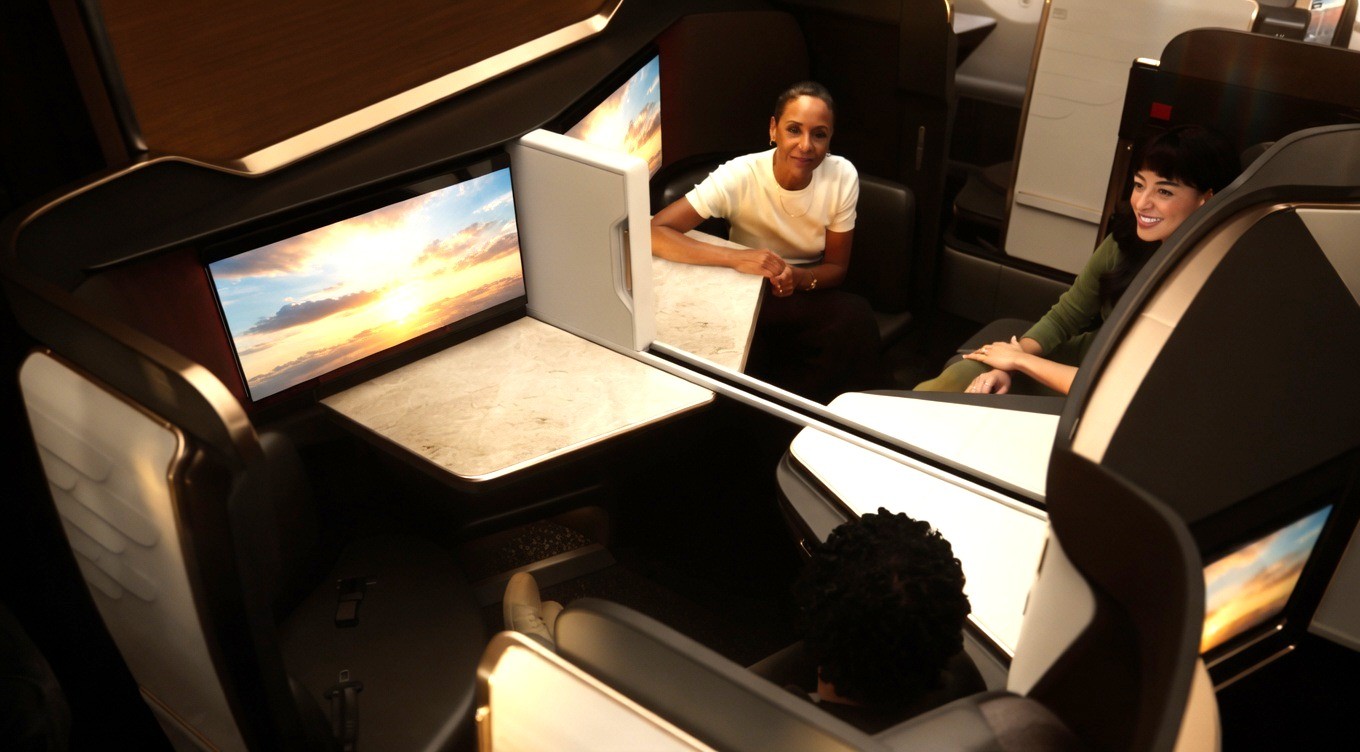
- Бізнес-клас (42 місця): Базується на платформі «Elevate Ascent». Примітно, що Air Canada впроваджує сьюти Signature Plus, у яких встановлені величезні ліжка завдовжки 2 метри (на два дюйми довші за поточні пропозиції Delta). Ці сьюти оснащені столиками з кварциту та висувними панелями для приватності, які дозволяють до чотирьох пасажирів спілкуватись під час крейсерського польоту.
- Преміум-економ (28 місць): Використовуються крісла Recaro із «захисними крилами» (privacy wings), що створюють відчуття індивідуального простору.
- Економ-клас (262 місця): Оснащений 13-дюймовими 4K-екранами та спеціальними власниками для планшетів.
Питання про «двері»: Хоча багато конкурентів (такі як United і American) використовують схожі платформи крісел, індустрія зараз перебуває в перехідному періоді щодо дверей для приватності. Air Canada прагне отримати сертифікацію дверей для 787-10, проте Наср зазначив, що остаточне впровадження повністю закритих сьют залежить від графіків сертифікації регуляторів.
Airbus A321XLR: нове визначення далекомагістральних вузькофюзеляжних перельотів
Поява 30 літаків Airbus A321XLR знаменує собою стратегічне зрушення, що дозволяє вузькофюзеляжним судам освоювати далекі “малозавантажені” маршрути – наприклад, трансатлантичні рейси зі східної Канади до Європи або преміальні внутрішні напрямки.
Стратегічний компроміс: без дверей, але більше простору
На відміну від дизайну широкофюзеляжних літаків, у бізнес-класі A321XLR не буде дверей для приватності. Це зважене рішення, продиктоване фізичними обмеженнями вузького фюзеляжу:
1. Підвищений комфорт: Відмовившись від механізму дверей, Air Canada вдалося збільшити довжину ліжка на 2 дюйми, а ширину проходу на рівні ліктів – на 5 дюймів.
2. Практичність: Великі верхні багажні полиці обмежують висоту дверей, що могло б знизити її ефективність.
Високотехнологічні інновації
A321XLR буде оснащений активними поверхнями, натхненими автомобільними технологіями. Пасажири зможуть взаємодіяти з поверхнею, що нагадує шкіру, яка за допомогою підсвічування відображає інформацію про політ та елементи керування кріслом, створюючи відчуття високих технологій без сліпучого ефекту традиційних екранів.
Більше, ніж просто крісло: революція «м’якого продукту»
Air Canada розуміє, що чудове крісло марно, якщо сервіс здається застарілим. Цього літа авіакомпанія готує комплексне оновлення свого «м’якого продукту» (сервісної складової), яке включатиме:
* Поліпшене харчування: Можливий перехід до передозмовлення страв (за аналогією з преміальними авіаперевізниками Південно-Східної Азії).
* Цифрова інтеграція: Безшовний, оновлений підхід до Wi-Fi та бортової розважальної системи.
* Організація обслуговування: Реконструйовані кухні (галley) та навчання персоналу, щоб навіть на вузькофюзеляжних літаках рівень сервісу відповідав преміальному досвіду широкофюзеляльних лайнерів.
Чому це важливо: битва деталей
У сучасному авіаційному ландшафті більшість великих авіакомпаній використовують крісла від тих самих виробників (таких як Adient або Collins). Оскільки жорсткий продукт (фізичне крісло) стає стандартизованим, авіакомпанії більше не можуть конкурувати тільки за рахунок габаритів сидінь.
Air Canada робить ставку на те, що промисловий дизайн та сенсорні деталі — текстура шкіри, теплота бронзових акцентів, «канадський штрих» у вигляді мотивів кленового листа та зручність обслуговування стануть вирішальними факторами для мандрівників, які обирають між Air Canada, United або Delta.
Висновок: Air Canada зміщує фокус конкуренції з простих технічних характеристик крісел на комплексний, сенсорний досвід бренду, прагнучи завоювати клієнтів за рахунок чудового дизайну та бездоганної інтеграції сервісу.