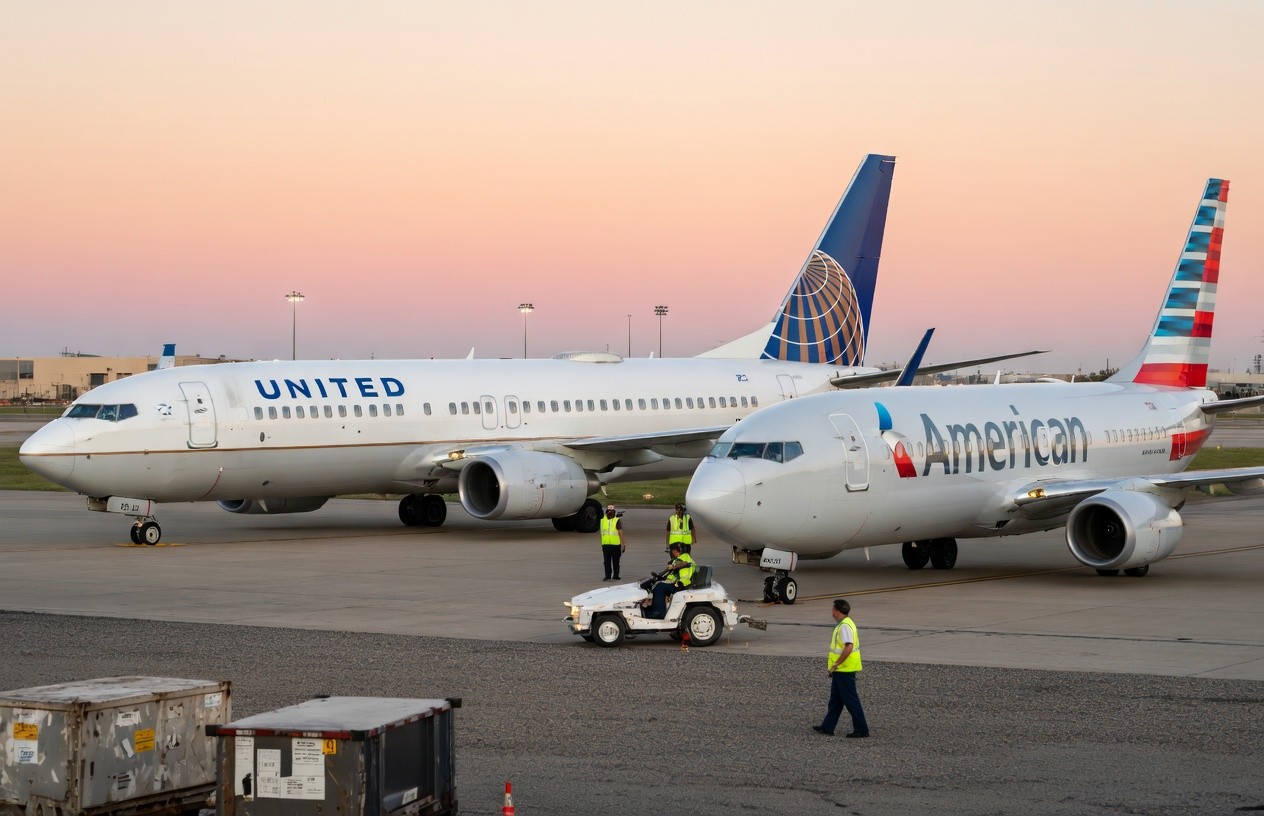
Подія, що викликала резонанс у всій авіаційній індустрії: генеральний директор United Airlines Скотт Кірбі, за наявними даними, висунув регуляторам радикальну пропозицію – поглинання American Airlines.
Хоча авіаційний сектор звик до консолідації, саме цей союз став би одним із наймасштабніших зрушень в історії внутрішніх авіаперевезень. Пропозиція надійшла на тлі змін політичного клімату, після коментарів міністра транспорту Шона Даффі про можливість укладання «великих угод» за нинішньої адміністрації.
Стратегічні вигоди проти домінування на ринку
Для United Airlines покупка American стала б стратегічним майстерним ходом, що трансформує. Злиття дозволило б вирішити кілька ключових географічних та конкурентних завдань:
- Експансія в Нью-Йорку: Зміцнення позицій United на надзвичайно прибутковому ринку Нью-Йорка.
- Домінування на Західному узбережжі: Закріплення за United статусу провідного перевізника в Лос-Анджелесі.
- Опора на Південному Сході: Отримання необхідного розвиненого хаба в південно-східній частині США.
Однак ці переваги пов’язані з високою ціною у вигляді концентрації ринку. Об’єднана структура United-American контролюватиме понад одну третину ринку внутрішніх авіаперевезень, що створює рівень домінування, який традиційно викликає пильну увагу з боку регуляторів.
Антимонопольний бар’єр: юридичні та регуляторні перешкоди
Згідно зі стандартним антимонопольним аналізом, злиття такого масштабу майже напевно буде заблоковане. Основні побоювання пов’язані з «надмірною концентрацією конкуренції» у найбільших вузлових аеропортах, таких як Чикаго і Лос-Анджелес.
Щоб обійти ці складнощі, авіакомпанії можуть спробувати використати стратегію «виділення активів» — продаж певних маршрутів чи активів для задоволення вимог регуляторів. Ми вже бачили подібні спроби в минулому, наприклад, пропоноване створення «DC Air» у часи злиття United та US Airways, хоча подібні угоди часто зазнавали невдачі через економічні зміни та побоювання з приводу конкуренції.
Навіть якщо Міністерство юстиції (DOJ) схвалить угоду, юридичний шлях залишиться тернистим.
- Судові розгляди на рівні штатів: Будь-який уряд штату може подати позов, щоб заблокувати злиття відповідно до закону Клейтона для захисту інтересів своїх мешканців.
- Приватні позови: Конкуренти, постачальники, профспілки і навіть клієнти можуть подати до суду, якщо зможуть довести «антимонопольну шкоду».
- Вплив на споживачів: Регулятори зазвичай оцінюють, чи не зашкодить консолідація споживачеві. В авіації йдеться не лише про ціни на квитки, а й якість обслуговування, а також цінність програм лояльності.
Змінний ландшафт угод M&A
За словами фінансового директора United Airlines Майка Лескінена, індустрія зараз працює в «унікальних умовах», де угоди щодо злиття та поглинання (M&A) можуть стати більш здійсненними, ніж у попередні роки. Однак недавнє блокування злиття JetBlue і Spirit адміністрацією Байдена служить нагадуванням про те, наскільки нестабільним може бути регуляторне середовище.
Пропозиція про злиття United і American, безперечно, є сміливою. Воно зіштовхує особисту історію Скотта Кірбі, який раніше обіймав посаду президента American Airlines, з жорсткими рамками антимонопольного законодавства.
Хоча стратегічна логіка для United очевидна, юридичні та конкурентні бар’єри роблять цю пропозицію однією з найбільш амбітних та спірних в історії авіаційної індустрії.
Висновок
Злиття United і American Airlines докорінно перекроїло б карту внутрішніх авіаперевезень, надавши United колосальні стратегічні переваги, але водночас зіткнувши компанію із цілим каскадом федеральних, регіональних та приватних судових позовів. Чи зможе така «велика угода» витримати сучасну антимонопольну перевірку — лишається головним невирішеним питанням галузі.