
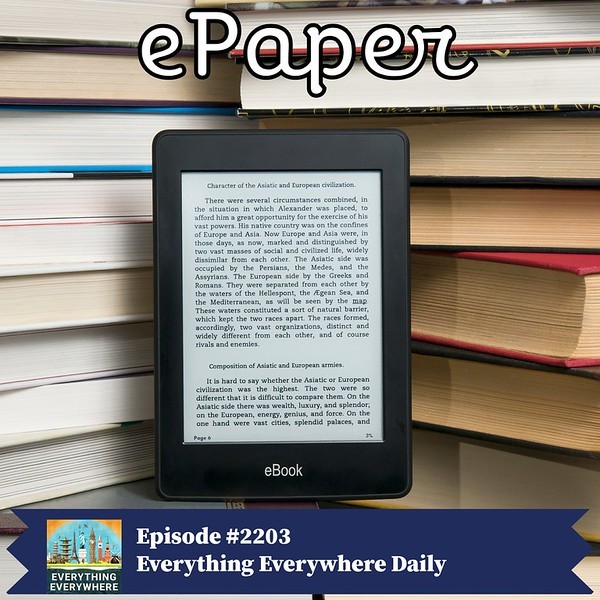
Ви намагаєтеся перевірити телефон на сонці. Не виходить. Блік випалює зображення, яскравість автоматично викручується на відчайдушне максимум, а акумулятор стрімко сідає. Це дратує.
Електронний папір – те, що ми ліниво називаємо E-ink, – зовсім не боїться сонця. Більше того, що яскравіше світло, то чіткішим стає текст.
Не магія. Це фізика. А саме – фізика, запозичена у звичайного паперу, а не від світлодіодів. Якщо ви коли-небудь запитували, чому електронні книги краще працюють на сонці або які пристрої дійсно виграють від цієї технології, відповідь криється в крихітній підвішеній рідині всередині мільйонів мікрокапсул.
Розповідаємо, як ми дійшли від пластикових кульок до екрану, який ви читаєте прямо зараз.
Різниця між електронним папером та E-Ink
Давайте спершу виправимо термінологічну помилку. Терміни “електронний папір” (E-paper) і “E-Ink” часто використовують як синоніми, але це не так.
Електронний папір – це широка категорія технологій дисплеїв. Уявіть це як “цифровий папір”.
E-Ink – це компанія. І торгова марка.
Це ситуація із серветками «Kleenex». Ви кажете: «Мені потрібна серветка», але маєте на увазі будь-яку паперову серветку. У світі дисплеїв ви кажете “E-Ink”, але зазвичай маєте на увазі будь-який електрофоретичний дисплей, виготовлений компанією E Ink Corporation, яка домінує на ринку.
Щоб зрозуміти, чому це важливо, потрібно знати, що ця технологія замінює.
Більшість сучасних екранів – це РК-дисплеї (LCD, Liquid Crystal Displays). Вони пропускають світло крізь кристали. Їм постійно потрібне харчування для утримання зображення. Немає харчування – немає картинки. Вони пожирають батарею та засліплюють вас на вулиці.
Електронний папір робить навпаки. Вона не випромінює світло. Вона відбиває його. Як звичайний папір.
Історія: від обертових кульок до мікрокапсул
Мрія зародилася у 1970-х роках у дослідному центрі Xerox PARC (Palo Alto Research Center). Мета була проста: створити екран, який споживає нульову енергію, як тільки відобразив зображення.
Дослідник Xerox Нік Шерідан придумав технологію Gyricon.
Подайте лист прозорого пластику. Усередині нього вбудовано мільйони крихітних сфер. Один бік сфери чорний, інший — білий. Вони мають протилежні електричні заряди. Під час подачі напруги вони обертаються.
І все.
Коли вони перестають обертатись, вони залишаються на місці. Харчування не потрібне. Зображення фіксується. Назавжди.
Ідея була елегантною. Але ж виготовлення мільярдів ідеальних сфер? То був кошмар. Xerox намагалася комерціалізувати технологію для вивісок, але вона виявилася надто дорогою. Вони закрили дочірню компанію у 2005 році.
Проте, концепція прижилася.
Перейдемо до 1990-х років у Медіа-лабораторії MIT. Фізику Джозефу Джексону кулі не подобалися. Він хотів частинки у рідині.
Він розробив “електрофоретичне чорнило”.
Ось як це працює: усередині кожної мікрокапсули знаходиться прозора олія. У ньому плавають заряджені частки. Чорні частинки мають негативний заряд, білі – позитивний (або навпаки).
Подаємо електрику. Протилежності притягуються. Чорні частинки осідають на задню стінку, білі виринають на передню. Ви бачите білий колір. Змінюємо заряд на зворотний. Чорні виринають. Ви бачите чорний.
Це було запатентовано та опубліковано в журналі Nature у 1998 році. Це працювало. Це було довго. Це можна було надрукувати.
Джексон залишив MIT, щоб заснувати E Ink Corporation. Решта – історія роздрібної торгівлі.
Як бістабільність рятує ваш акумулятор
Ключова концепція, що робить цю технологію корисною, називається бістабільністю.
У РК-екранах необхідно оновлювати пікселі тисячі разів на секунду, щоб утримувати зображення на екрані. Якщо вимкнути живлення, екран згасне.
В електронних чорнилах, як тільки пігментні частинки осідають, вони залишаються там. Вони мають інерцію. Вони не рухаються, доки ви їх не штовхнете.
Отже, ви включаєте рідер, перевертаєте сторінку. Сплеск енергії зрушує частки. Сторінка оновлюється. Ви зупиняєтесь. Ви читаєте. З погляду електрики пристрій по суті «мертвий», але текст все ще видно.
Це означає:
1. Батарея тримається тижнями, а не годинами.
2. Відсутність виділення тепла.
3. Ідеальна видимість на прямому сонячному світлі.
Чому це працює на сонці? Тому що вашим очам потрібний контраст. Сонце надає світло. Екран просто надає темне чорнило. РК-дисплею доводиться боротися із сонцем, використовуючи своє підсвічування. Електронний папір використовує сонце як джерело світла.
Від прототипу до кишені: Ефект Kindle
Ранні демо-версії E Ink були книгами. То були вивіски.
Уявіть дорожній знак, який змінюється електронним способом. Ви оновлюєте текст, пікселі перемикаються, а потім весь день пристрій не споживає енергії.
Першим реальним споживчим пристроєм став Sony LIBRIé в 2004 році (тільки в Японії). Він працював, але вимагав підключення до комп’ютера передачі файлів. То справді був технічний демонстратор, а чи не повноцінний продукт.
Потім з’явився Amazon.
Листопад 2007 року. Оригінальний Kindle.
То не був перший рідер. Це не був перший пристрій з E-ink. Але це був перший пристрій, який об’єднав три речі:
* Екран.
* Книгарня.
* Бездротову доставку (спочатку через мережу AT&T 3G).
До Kindle ви носили із собою фізичну книгу. Вона важка. У вас є одна. Можливо, дві.
Після Kindle ви носите із собою бібліотеку.
Ось практична перевірка реальності для мандрівників. Ви на острові Святої Єлени (віддалений острів в Атлантиці). Ви сідає на корабель, де не буде Wi-Fi кілька тижнів. Ви панікуєте.
Ви біжите на палубу корабля. Ловіть мережу 3G. Завантажуєте усю серію «Ігри престолів». Влаштовуєтеся на місяць.
Зі звичайними книгами в м’якій палітурці ви цього зробити не можете.
Kindle продавав не просто рідери. Він продавав екосистему. Sony, Barnes & Noble (Nook), Kobo – всі кинулися в цю нішу. Обсяги продажу злетіли. Виробництво стало дешевшим. Ціни впали.
Чи може E-Ink відображати колір? Або відео?
Довгий час E-ink означав чорний, білий та кілька відтінків сірого.
Якщо ви хочете створити сірий колір, ви не можете просто приглушити лампочку. Ви використовуєте просторову растрезерку (spatial dithering). Пристрій включає і вимикає частинки у певному малюнку настільки швидко або densly, що око усереднює це у сірий колір.
Колір прийшов пізніше.
E Ink розробила технологію ACEP (Advanced Color ePaper). Замість чорного/білого у вас є частинки кількох пігментів: блакитний (Cyan), пурпуровий (Magenta), жовтий (Yellow) та білий.
Послідовності напруги сортують ці частинки на поверхні.
Результат? Так, це колір. Ні, він яскравий. Він виглядає як надрукована друкарська фарба. Він приглушений. Він схожий на папір.
Нині у вітальні висять цифрові рами для мистецтва. Ви можете змінювати картину щогодини через інтернет. Вони споживають майже нульову кількість електрики. Вони добре виглядають на сонячному світлі. Вони не палять очі о 3 годині ночі.
Чи замінить це ваш телевізор? Ні.
Чи можна зламати екран E-ink, щоб відтворювати відео з частотою 60 Гц? Деякі хакери пробували. Ви отримуєте розмите зображення з «привидами», низькою роздільною здатністю та чорно-білим мерехтінням. Це жахливо.
Не чекайте, що телефон на E-ink показуватиме фільми. Ви побачите телефони на E-ink для читання електронних листів на яскравому сонці. І все.
Чому ви не побачите його скрізь (і це нормально)
Електронний папір має слабкість.
Частота оновлення.
Навіть найшвидші моделі відстають від iPad. Є спалах. Екран на мить очищується. З’являється новий контент. Це відволікає при швидкому прокручуванні.
Вона створена для плавності. Вона створена для статичності.
Якщо вам потрібен екран для:
* Статичних даних (погода, котирування акцій, календар)
* Читання
* Зовнішні вивіски
E-ink виграє.
Якщо вам потрібно:
* Ігри
* Відео
* Швидка прокрутка
Виграють LCD, OLED чи MicroLED.
Технологія осідає у дуже специфічній ніші. Це не майбутнє всіх екранів. Це найкращий можливий цифровий папір.
Огляньтеся навколо. Ви починаєте бачити її всюди. На етикетках у продуктових магазинах, які оновлюють ціни без перепідключення проводів полиць. На електронних цінниках. На портативних дисплеях для будівельних майданчиків, де сонце палить робітників весь день.
Це тихо. Це ефективно. І, нарешті, це дозволяє нам дивитися на наші екрани при денному світлі, не мружачи.
Це щось означає, правда?
Мабуть.
Просто не чекайте, що це незабаром замінить ваш телевізор. Фізика відбитого світла надто спокійна для цього.