The place has teeth.
Built into the old Grand Hotel Britannia, it opened in 2018? No. 2019. That building has been swallowing guests on the Grand Canal since the turn of the 20th century—1895 to be precise. It was the first place in Venice with electric lights in every room. Progress. Now five connected palazzi belong to the brand, some dating back to the 1600s.
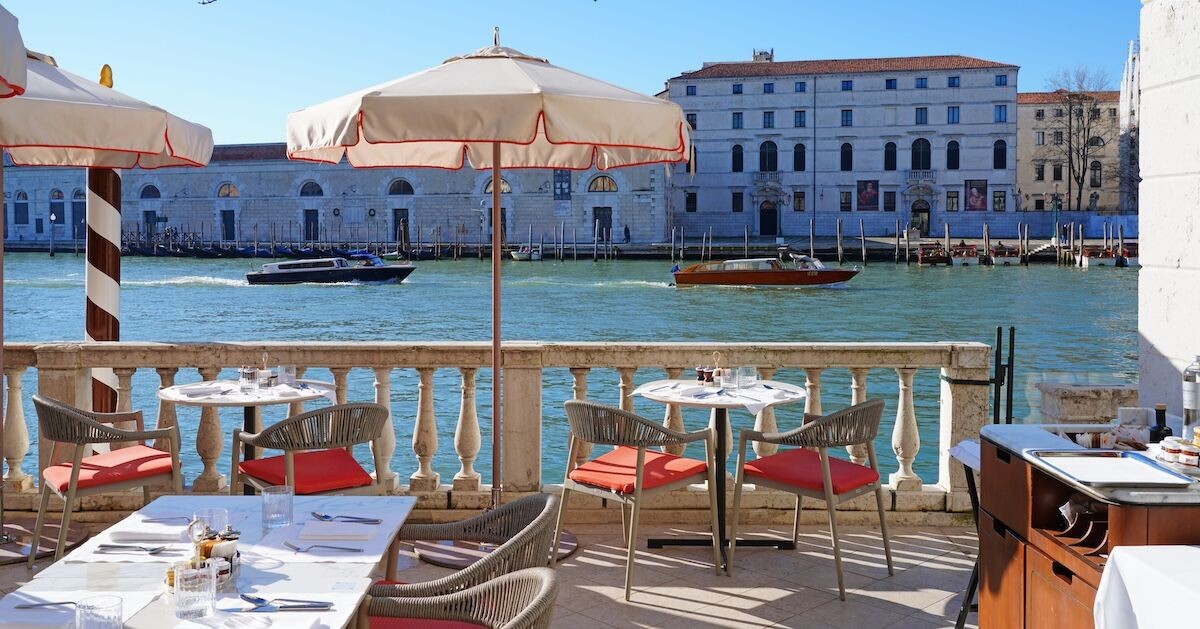
We arrived like characters in a Fellini movie. A private water taxi whisked us from the station—white leather, mahogany shine, hair whipping in the salt spray. The captain navigated the Cannaregio canals without breaking a sweat. Stepping inside? Silence. That’s the weird part. Venice is a scream. This place is a whisper. The design leans heavy Art Deco mixed with modern clean lines. It feels quiet. In Venice, that is more valuable than gold.
Rooms with a view, mostly
We took the suite on the piano nobile. Historically, this was the best floor. The living room faced the Grand Canal directly. Floor-to-ceiling glass. The bedroom stayed separate.
It got hot. The afternoon sun baked the room, but the thermostat and blackout curtains did the job. No fuss.
But honestly? The bathroom stole the show. The view is nice. The black and white marble bath is aggressive luxury. A deep tub. Heated robes. Premium soap that costs more than your weekly groceries. It wasn’t just functional. It was an event.
Eat, drink, look down
Travelers to Italy usually have one goal. Food. We succeeded.
Afternoon Tea at the Gran Salone kicked things off. Then dinner at Gio’s. Chef Giuseppe Ricci runs the place. He’s from Puglia, not Venice, so the menu mixes Southern Italian soul with lagoon ingredients. Seared scallops with Lamon beans. Cod dumplings. Sea bass in anchovy sauce.
I went for the scallops first. Then the blue lobster paccheri. It came drenched in a spicy basara sauce. We drank all-Italian wine. The winner? A 2020 Franciacorta Bellavista. Served in a custom Murano glass. Only one exists per cocktail? No. Each glass is designed for the drink.
Art in your hand makes it taste better. It has to.
Downstairs lies the Arts Bar. One of the few spots in central Venice open late. A small room built around a cabinet honoring Carlo Scarpa. The menu, “Worldwide Icons of Art,” lists twelve cocktails. One for each artist. Munch. Mondrian. Banksy. Ai Weiwei.
I ordered the Edvard Munch drink. Norwegian aquavit. Roasted barley. Hop soda. Absinthe. It came in a jagged glass that looked like the figure in “The Scream” losing its mind. The smoke hit you first. The barley grounded it. The soda cut the fat. It worked. It actually worked.
What to actually do
Gondolas are overpriced cheese traps. The St. Regis pushes its own Mahogany Rivas. Better view. Better stability. A one-hour Grand Canal tour leaves from the hotel dock. Want more? A four-hour trip to Murano and Burano covers the water entirely.
Afternoon Tea was supposed to be touristy. I doubted it. I wanted to walk the city. I was wrong. Sitting by the canal, eating scones and drinking Prosecco, watching boats drift by—it was the only quiet moment in the trip. Do not skip it.
Murano is famous for glass. Specifically Berengo Studio. Adriano Berengo started it in 1989. Big artists go there to work with the masters. Guests get a private tour. See the furnace. See the museum. They even drive you there by boat. End the night at Osteria Sensa Fondo next door. Wine and cicchetti. Simple. Effective.
Classic St. Regis rituals round out the day. But mostly, you just stand by the window. And watch the city.
Venice wears masks. This hotel just stands behind one.