United Airlines розіслала внутрішнє розпорядження: міняйте квитки, виліт за якими передбачений у Вест-Палм-Біч, та перенаправляйте незадоволених пасажирів до Майамі чи Форт-Лодердейла. Без додаткових зборів.
Але ця інструкція ніколи не призначалася широкому загалу.
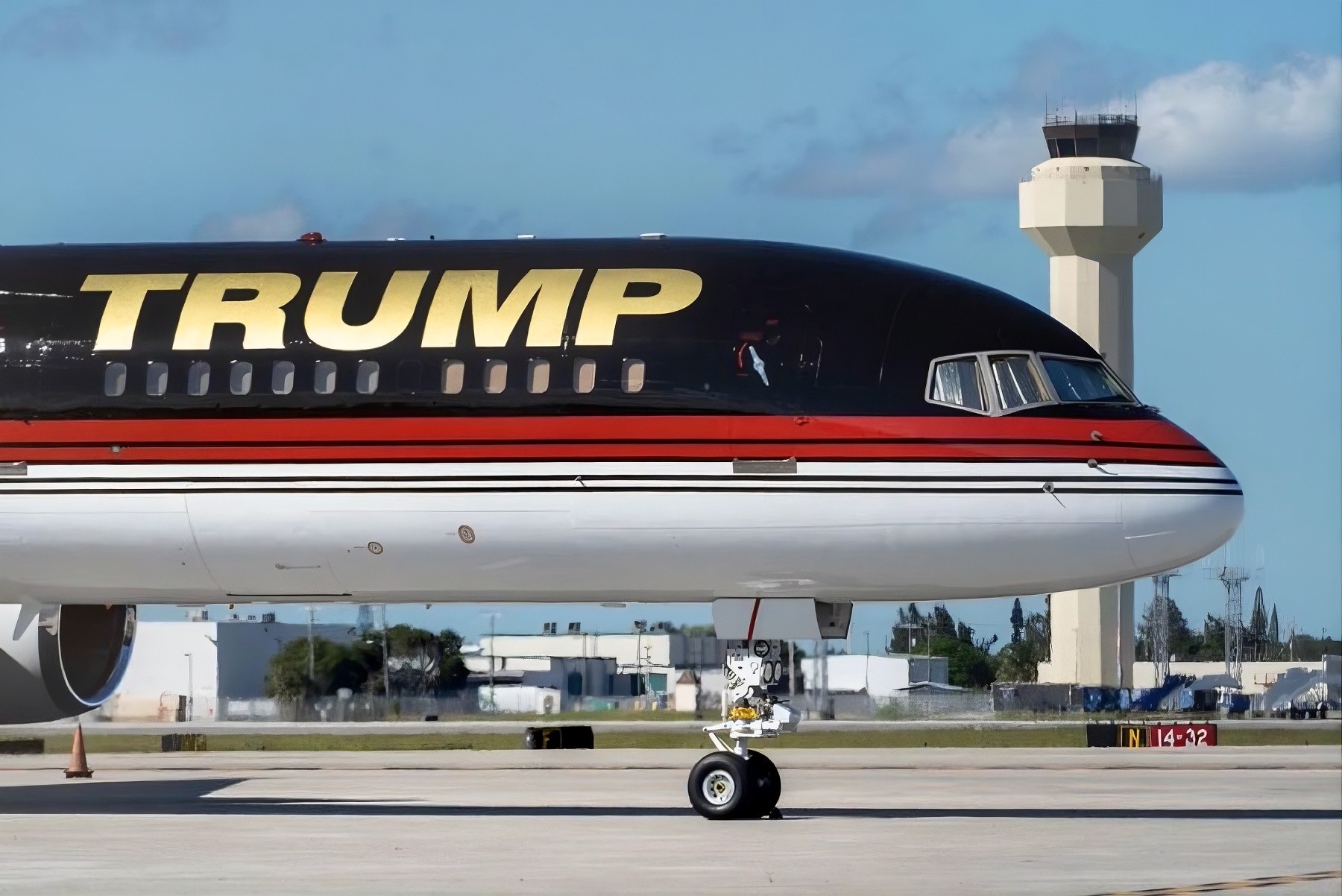
Внутрішнє меморандум, витік якого було розкрито виданням Live & Let’s Fly, припускало, що агенти повинні пристосувати (задовольняти) клієнтів, які обурюються необхідністю вильоту в аеропорт імені Дональда Дж. Трампа (OPF). Інструкція дозволяла співробітникам перепризначати рейси таким пасажирам без стягнення стандартного штрафу за зміну квитка. Однак це була не загальна амністія, а скоріше механізм вирішення конкретних скарг.
Чому United Airlines уточнила свою політику
Історія швидко поширилася в інтернеті. Звичайно. United швидко відреагували, щоб стримати негативні наслідки, і випустили заяву, яка роз’яснює свою позицію щодо заперечень проти назви аеропорту.
«Пасажири United можуть вносити зміни до квитків без штрафу з багатьох причин. Однак наша політика не дозволяє вносити зміни solely на підставі назви аеропорту або його трилітерного коду».
На перший погляд, це виглядає як відступ. Для звичайного спостерігача складається враження, що авіакомпанія заперечує факт існування меморандуму або скасовує його.
Але така інтерпретація повністю упускає суть.
United не заперечували внутрішню інструкцію. Вони не відкликали конкретних вказівок, даних агентам. Вони лише прояснили, що немає формального, опублікованого «Трампового звільнення від штрафів». Ви не знайдете цього правила на сторінці часто задаваних питань (FAQ). Ви не зможете написати в службу підтримки та послатися на це правило як на офіційну норму. Це був дискреційний інструмент для агентів, які працюють по телефону — м’який виняток із правил для чутливих ситуацій.
Таким чином, коли авіакомпанія заявляє, що вона не має політики, яка дозволяє міняти квитки через назву аеропорту, вона технічно права. Офіційного, опублікованого винятку цієї конкретної причини справді немає.
Але ця формальна правильність видається порожньою. Вона створює незручний розрив між тим, що агенти знають і тим, на що пасажири можуть претендувати.
Справжня мотивація за внутрішнім меморандумом
Навіщо взагалі видавати меморандум, якщо він не є офіційним?
Відповідь криється не лише в політиці, а й у операційних ризиках. United поводиться вкрай обережно у питаннях, які стосуються президента. Це видно з їхніх медіа-взаємодій: вони докладають значних зусиль, щоб сподобатися представникам адміністрації, аж до участі у підкастах, які ведуть родичі високопосадовців.
Вони не хочуть справляти враження, що ображають головнокомандувача, змушуючи пасажирів неохоче використовувати аеропорт, названий на його честь. Це погана іміджева перспектива.
Але тут є й цинічний логістичний аспект. У Вест-Палм-Біч тарифи часто нижчі, ніж у міжнародному аеропорту Майамі. United турбуються про зловживання. Якби про цю «амністію» стало широко відомо, бюджетні мандрівники могли б навмисно бронювати квитки в OPF, а потім дзвонити на підтримку, вдаючи обурених, щоб безкоштовно перевести квиток на MIA або FLL.
Авіакомпанія хотіла запобігти арбітражу до того, як він почався. Їм потрібен був тихий механізм для обробки реальних скарг, не створюючи прецеденту, який би заохочував гру з дешевими квитками.
Що мають робити мандрівники?
Ось сувора правда: ви не можете запросити цю зміну онлайн.
Якщо у вас є квиток United на виліт з OPF, і вам не подобається назва аеропорту, ви, швидше за все, залишаєтеся віч-на-віч з проблемою. Меморандум був внутрішнім довідником. Він казав агентам, що робити, якщо пасажир зателефонує і поскаржиться. Він не давав пасажирам права на самостійну зміну квитка.
Кордон проводиться у момент людського контакту. Але навіть у цьому випадку результату не гарантовано. Агенти мають дискреційні повноваження. І тепер, коли меморандум опинився під прицілом уваги, агенти, мабуть, стали обережнішими. Політика була покликана залишатися невидимою. Видимість робить ситуацію незручною.
United спробували збалансувати дві протиборчі сили: задоволення клієнтів та управління репутацією компанії. У громадському полі вони зазнали невдачі в обох напрямках. Вони надали агентам шанс на маневр, але позбавили громадськості офіційного правила.
Вам може пощастити. Ви можете зателефонувати. Агент може виявити співчуття.
Але не варто будувати свої плани поїздок на цю надію.