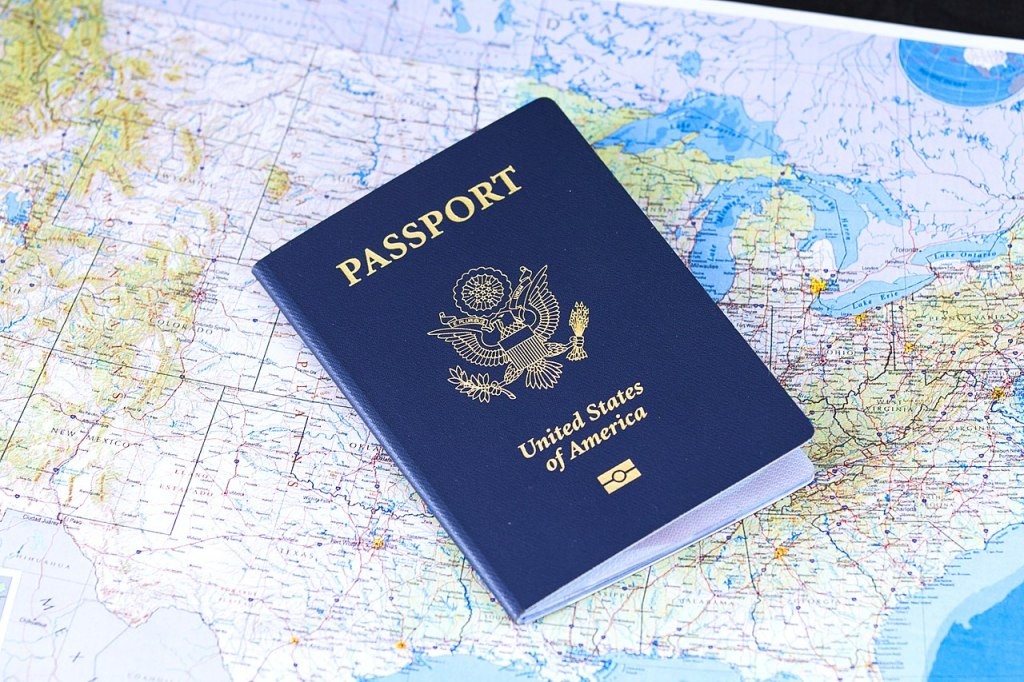
Американський паспорт застряг у бюрократичному безвиході. Тим часом паспорт ОАЕ стрімко піднімається у світових рейтингах. Це різкий контраст темпів розвитку. Але ця історія про межі та візи — насправді метафора того, що відбувається у туристичному маркетингу зараз. Гра змінилася.
Протягом багатьох років агентства були експертами з підрахунку кліків. Вони з хірургічною точністю вимірюють активність. Кількість показів зростає. Рівень залучення збільшується. На дашбордах спалахує зелене світло. Але ось у чому проблема: ніщо з цього не гарантує, що хоча б одна людина забронює авіаквиток або заселиться в готель. Сучасне завдання суворе. Маркетологам необхідно пов’язати цей цифровий шум із реальними візитами. Вони мають довести економічний ефект. І зробити це потрібно ще під час активних кампаній.
Саме тут на сцену виходить вимір на базі штучного інтелекту. Не йдеться про показники марнославства. Йдеться про бізнес-результати. Ви можете оптимізувати кампанію під виторг. Ви можете оптимізувати витрати на одного відвідувача. Але для цього потрібне фундаментальне зрушення в тому, як ми підходимо до аналізу даних.
Розрив у компетенціях: що показав хакатон Sabre
Що станеться, якщо дати розробнику чистий лист та доступ до інфраструктури туристичної індустрії? Чи буде створено новий, кращий пошуковий пристрій? Сумнівно. Цей ринок уже перенасичений. Натомість розробники йдуть туди, де є телефонні дзвінки. Вони беруться за зламані ланцюжки, які туристична галузь так і не змогла повністю оцифрувати.
Це спостереження з хакатона Sabre оголює явний розрив. Воно показує, як нові чи зовнішні розробники бачать головні переваги застосування ІІ у туризмі. Вони вбачають неефективність. Вони бачать тертя у процесах. І вони бачать гроші, приховані у нецифрових сегментах індустрії. Урок тут простий: інновації не завжди стосуються ефектних інтерфейсів. Іноді вони полягають у ремонті «труби», на яку всі інші заплющують очі.
Реконструкція Park Hyatt Tokyo: судження важливіше за меблі
Повернення до Park Hyatt Tokyo після реконструкції стає чудовим прикладом майстерності у сфері гостинності. Будівля не встояла під час ремонту завдяки заміні кожного стільця та лампи. Воно встояло, зберігши свою культуру.
Великі готелі визначаються не їх обладнанням. Їх визначає душа. Ремонт вдався, тому що він враховував цю різницю. Проте складніше завдання попереду. Вона полягає в тому, щоб наступне покоління готельєрів успадкувало цю конкретну культуру. Чи зможуть вони відтворити ту неповторну магію, яка спочатку надавала будівлі значення? Чи вони зосередяться на зовнішньому лиску? Випробуванням стане те, чи збережеться дух готелю після того, як висохне фарба.