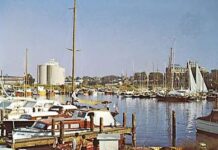
Sandomierz sits on the left bank of the Vistula River. It watches where the Vistula meets the San. This isn’t just a pretty view. It is a strategic choke point that made this place important for centuries.
If you are planning a trip to southeastern Poland, skip the crowded main hubs. Head to Świętokrzyskie province. You will find a town that feels frozen in time. The population is small—around 25,000 people—but the history is massive.
A Route Between Seas and Empires
First mentioned in 1097, Sandomierz wasn’t always a tourist destination. It was a trade hub. Its location astride the route between the Baltic and Black seas brought merchants, money, and conflict.
It became the capital of the Sandomierz principality in the 12th century. By 1286, it had municipal rights. Growth was fast. Then it came to a halt.
Tatar invasions in the late 13th century devastated the town. The Polish king Casimir III the Great rebuilt it in the 14th century. That reconstruction left a mark. You can still see the effort in the old fortifications.
The 16th century brought wealth. Sandomierz became one of the largest towns in Poland. Glassworks and food-processing plants started up. But wealth attracts enemies.
The 17th century was brutal. Plague. Fires. Prolonged wars. The town was ruined. It passed to Austria in 1772. It didn’t return to Poland until 1918.
What to See When You Arrive
You don’t need a guidebook to understand why this place matters. The architecture tells the story.
The Church of St. James
Start with the Romanesque Church of St. James. It is one of the oldest buildings in the city. Simple stone walls. Heavy arches. It survives from a time before the Gothic flourishes took over.
The Cathedral
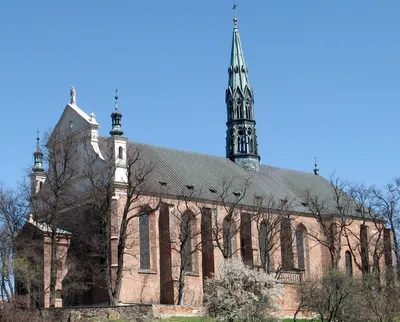
Then there is the Gothic cathedral. Built in the 14th century. But the real draw is inside. Look for the Byzantine murals. They were painted in the 1420s.
These aren’t just decorations. They are rare artifacts. They show a blending of styles that was unusual for the region. If you love art history, this is your stop.
Opatów Gate
Walk the old fortifications. Find Opatów Gate. It is one of the few remaining parts of the defensive wall. Standing there, you can imagine the city under siege. You can see why the Tatars targeted it.
Why Visit Sandomierz?
Most travelers stick to Krakow or Warsaw. They miss places like this. Sandomierz offers a slower pace.
The streets are quiet. The river is wide. The buildings are old. You can walk from one historical site to another without fighting crowds.
It is a place for reading maps. For looking up. For understanding how trade routes shaped modern Poland.
Go in spring. Or autumn. The light hits the Vistula differently then. The stone glows.
Is it worth the detour? Yes.
You leave with