З Канарськими островами не асоціюється корида. Вулканічний ландшафт, пишні соснові ліси, бризки Атлантики тут править природа, а не арени для боїв з биками. Традиція там так і не вкоренилася. Принаймні не так, як у материковій частині Іспанії.
Саме цей контекст робить історію Хосе Мати особливо яскравою. Навіть через десятиліття вона звучить голосніше.
Він не походив із династії тореадорів. Він родом із Лас-Трічіас. Крихітні села на острові Ла-Пальма. Така мала, що можна легко пропустити її на карті, якщо не придивитися. Мата народився там. Потім виїхав. Він вирушив до Венесуели. Як і багато островів його покоління, він пішов туди, де були можливості.
Він працював на різних роботах. Навіть з’являвся на телебаченні. Це було життя в очікуванні змін.
А потім знайшов свою арену.
Шлях до слави не був лінійним. Це була пряма лінія. То був хаос. Це було важко. Але на момент повернення до Іспанії в нього вже було те, чого не було в інших. Він мав ім’я. “Ель Канаріо” (Канарець).
Як канарець став легендою?
Якщо вам цікаво, як людина з забутого атолом Атлантичного океану стала однією з найвідоміших фігур іспанської кориди, подивіться на хронологію. Все сталося швидко. А потім усе скінчилося.
У середині 1960-х років Мата піднімався кар’єрними сходами. Він не покладався на показуху та блиск, якими відрізнялися багато його колег. Він був іншим. Класиком. Витонченим. Критики шанували його. Вони цінували його стиль.
Його фірмовим прийомом був завершальний удар мечем. Точність. Елегантність. Жодних зайвих рухів.
У 1965 році він отримав “альтернатибу” – церемонію, яка зводить новіса (новачка) в ранг повного тореадора. І це досягнення не прийшло до нього від будь-кого. Його прийняв Мануель Бенітез, більш відомий як «Ель Корбес». Легенда. Ще одна легенда передавала плащ новачкові.
Пізніше він підтвердив свій статус у Лас-Вентас. У головній арені. У престижній мадридській арені. Якщо ти вижив у Лас-Вентас, то ти чогось стоїш.
Мата означав багато.
На коротке вікно наприкінці 1960-х і на початку 1970-х років його ім’я було скрізь. Він входив до еліти.
Трагічний кінець кар’єри
Його кар’єра не згасла поступово. Вона різко обірвалася.
25 липня 1971 року.
Мата був у Вільянуева-де-лос-Інфантес на кориді. Це захід, на якому невеликі арени запрошують відомих постатей, щоб залучити натовп. Щось пішло не так. Бик ударив його рогами.
Ця травма могла б стати смертельною.
Але умови були незадовільними. Допомога була надана із затримкою. У кориді секунди відокремлюють синець від похорону. Тут вони відокремлювали життя від смерті.
Він помер через два дні.
Йому було лише 31 рік.
Цей інцидент не просто вбив тореадора. Він спровокував загальнонаціональну суперечку. Люди почали ставити незручні питання. Про безпеку. Про стандарти у невеликих аренах. Чи було чесно відправляти зірку на арену, де медична допомога настільки погана? Відповідь, очевидно, була негативною.
Чому про нього пам’ятають сьогодні
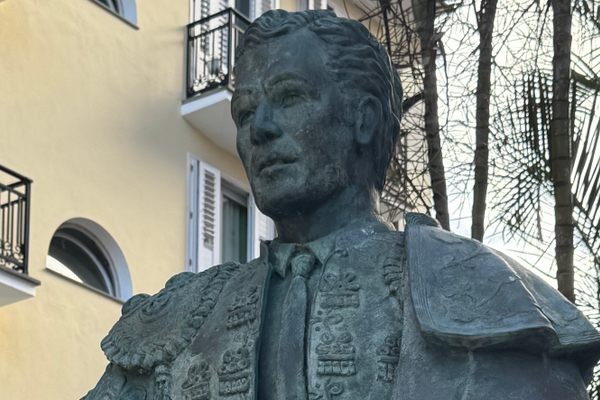
Сьогодні, якщо ви пройдете вулицями Санта-Крус-де-ла-Пальма, ви побачите його.
Там стоїть бронзова статуя.